California's regulatory choices — including a fall in refinery count from about 20 to 11 and a state‑specific gasoline blend — have reduced supply flexibility and increased reliance on imported refined fuel. When the Strait of Hormuz closed during the Iran conflict, pump prices surged toward $6 a gallon, a shock amplified by those policies. The state now imports roughly 20% of its gasoline from Asian refiners, exposing it to markets where China is a dominant energy buyer. The author argues California must prioritize supply resilience instead of shifting blame.
How California’s Energy Choices Raised Gas Prices — and Handed Leverage to China

California drivers react to rising gas prices and the ongoing political battle between Governor Gavin Newson and Chevron over fuel costs. Pictured, Sofia Kupper. Los Angeles, CA. Friday, MAy 22,...
California residents now pay some of the highest gasoline and nearly the highest electricity prices in the nation. Much of that price pain stems not only from global supply shocks, but from state policy decisions that have reduced in‑state refining capacity and locked the market into a unique fuel blend — choices that increase reliance on overseas suppliers in geopolitically exposed regions.
Policy Decisions That Narrowed Supply
Over roughly two decades, California's refinery count has fallen from about 20 to 11 as plants closed under rising costs and stringent regulatory requirements. At the same time, state regulators require a specialized gasoline formulation that few other U.S. refineries produce. That combination reduces the ability to reroute fuel quickly from the Gulf Coast or Midwest in an emergency.

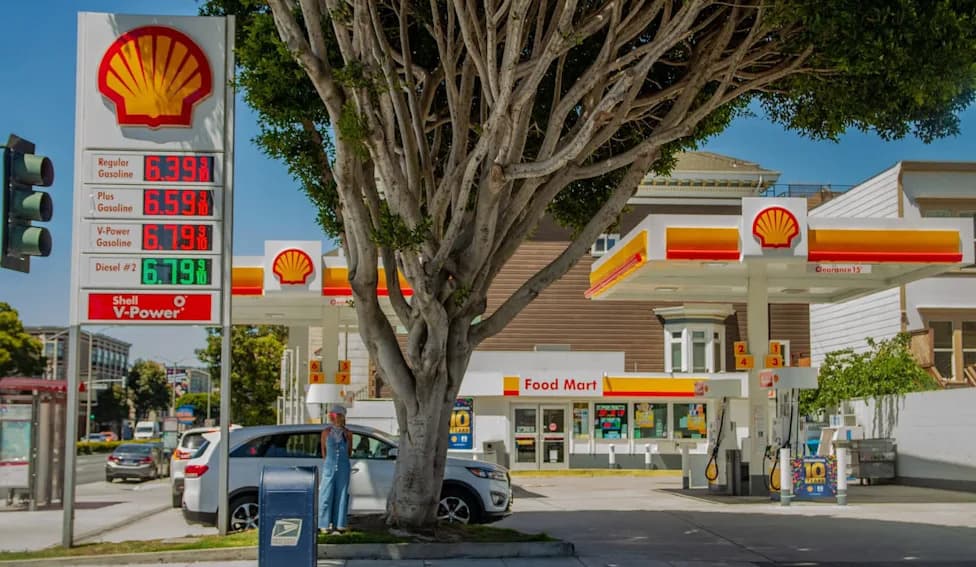
California's absurd energy policy makes sure that its residents pay the highest gas prices. Pedro Colo for CA Post
When Phillips 66 exited its Los Angeles‑area refinery last year and Valero announced the closure of its Benicia plant this year, California lost roughly 17% of its refining capacity in under two years. With a population approaching 40 million and more gasoline consumption than its remaining refineries can supply, the state has had to import an increasing share of finished motor fuel by tanker.
How a Geopolitical Shock Became a Local Price Crisis
When the Strait of Hormuz closed during the recent Iran conflict, pump prices in California surged toward $6 per gallon. Governor Gavin Newsom attributed the rise to oil‑company "greed," market "speculation," and global unrest. Those factors played a role, but California’s own energy policies amplified the price shock by eliminating local options and limiting the flexibility of fuel sources.
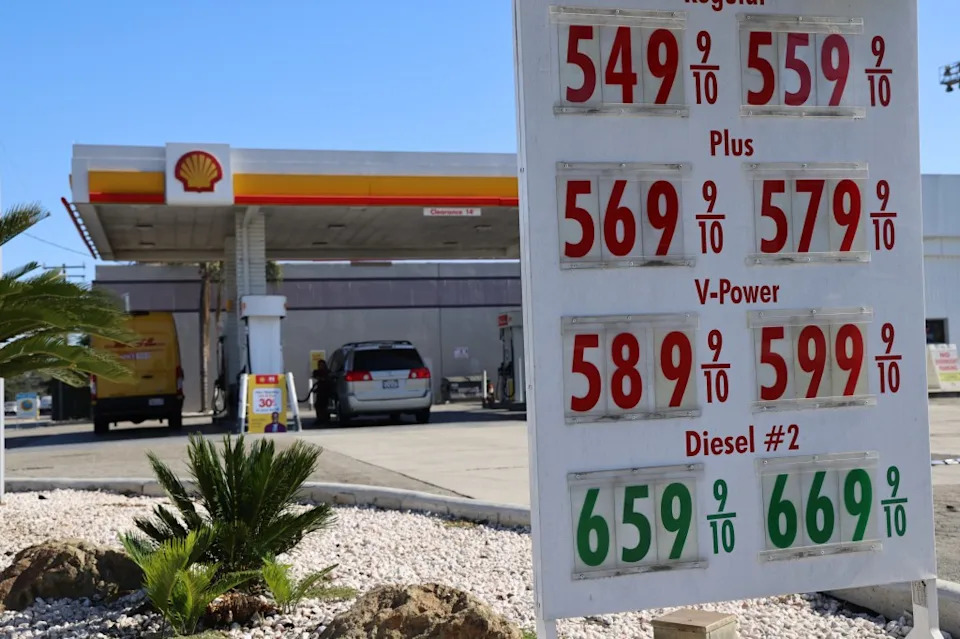
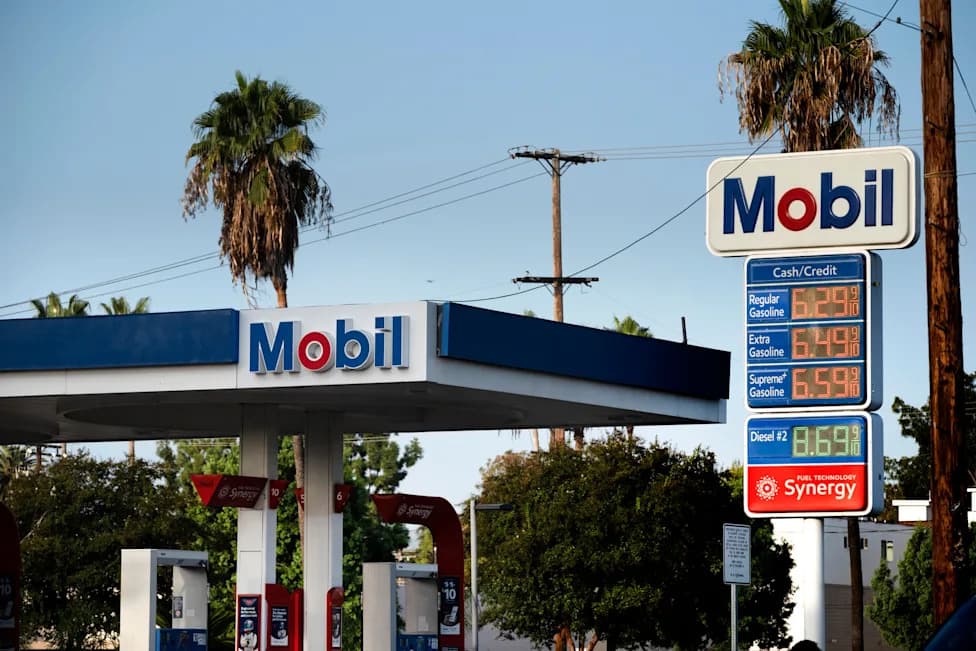
Gasoline and diesel prices are displayed at a gas station in Monrovia. ZUMAPRESS.com
According to the Institute for Energy Research, California now imports roughly 20% of its gasoline from Asian refineries, with refined product imports up about 36% year over year. Shipping refined fuel across the Pacific undermines environmental goals and, more importantly, exposes the state to supply disruptions in regions where geopolitical tensions run high.
Why China Enters the Picture
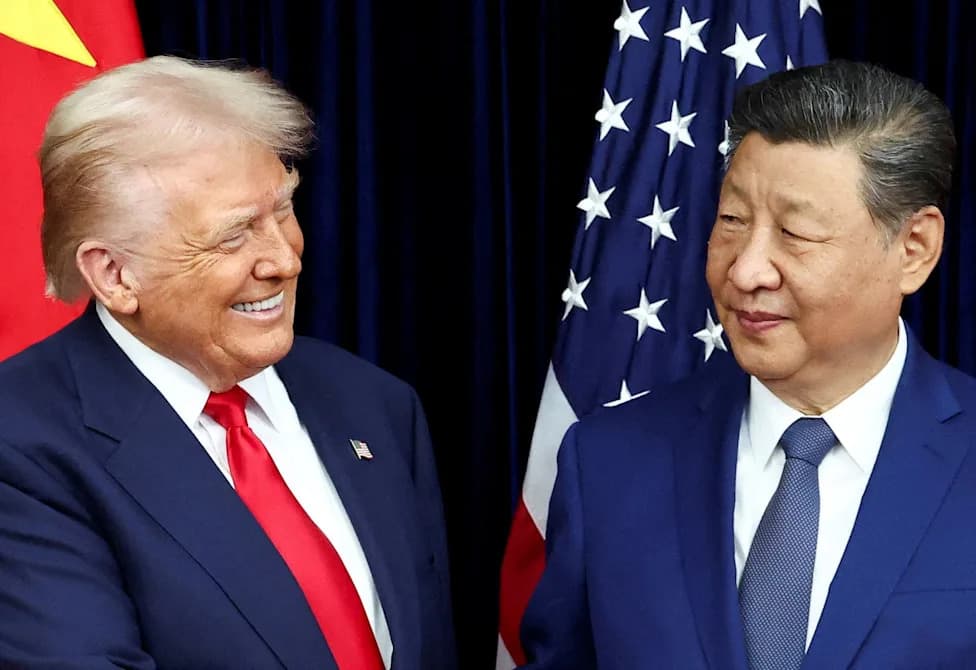
Beijing has deepened financial and energy ties with countries that sit at the center of recent disruptions. The U.S.‑China Economic and Security Review Commission has described an "Axis of Autocracy" linking China, Russia, Iran, and North Korea. China is reported to buy a very large share of Iran's exported oil — estimates often cited are near 90% — and purchases discounted Russian energy, sustaining revenue streams for regimes at odds with U.S. interests.
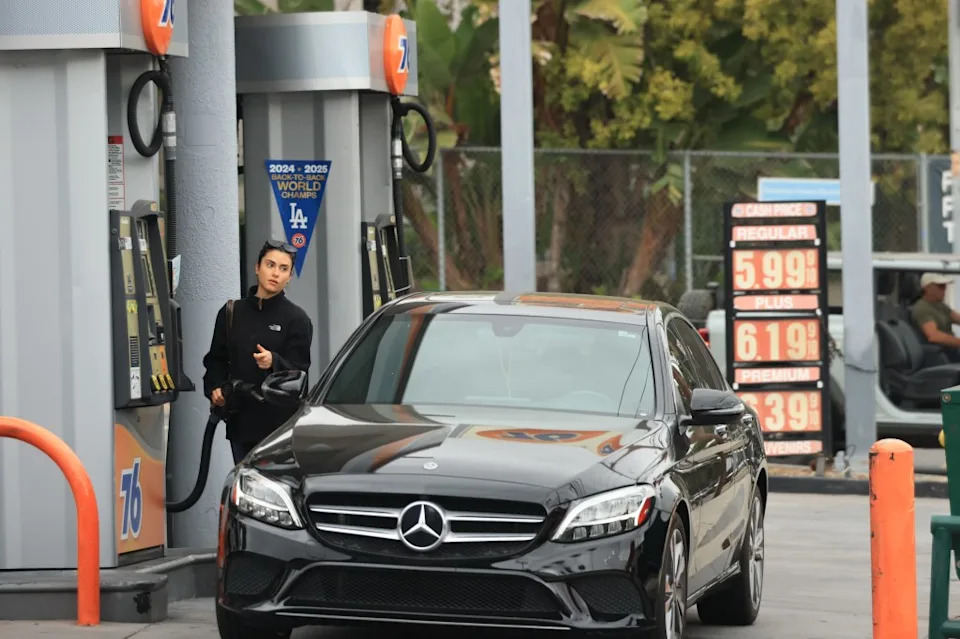
Over the past two decades, Californians watched its refinery count fall from 20 to 11. Jonathan Alcorn for CA Post
By shifting toward Asian refined imports at a time when China is the dominant buyer and broker in some of these markets, California became more exposed to geopolitical leverage that Washington considers worrisome.
Choices, Consequences, and What Should Change
These outcomes are the result of policy choices: closing refineries faster than demand declined, mandating a one‑of‑a‑kind fuel blend, and relying more on oceanborne imports without sufficient contingency plans. Other states with more diversified supply chains and standard fuel specifications were better able to manage the same global shock.
Bottom line: A state with a robust domestic refining base and flexible fuel rules would be less vulnerable to a single chokepoint like the Strait of Hormuz. Californians deserve leaders who acknowledge the role of local policy in supply resilience and who work to reduce dependence on geopolitically risky suppliers.
Hon. Will O'Neill is the former mayor of Newport Beach and currently serves as Chairman of the Republican Party of Orange County.
Help us improve.