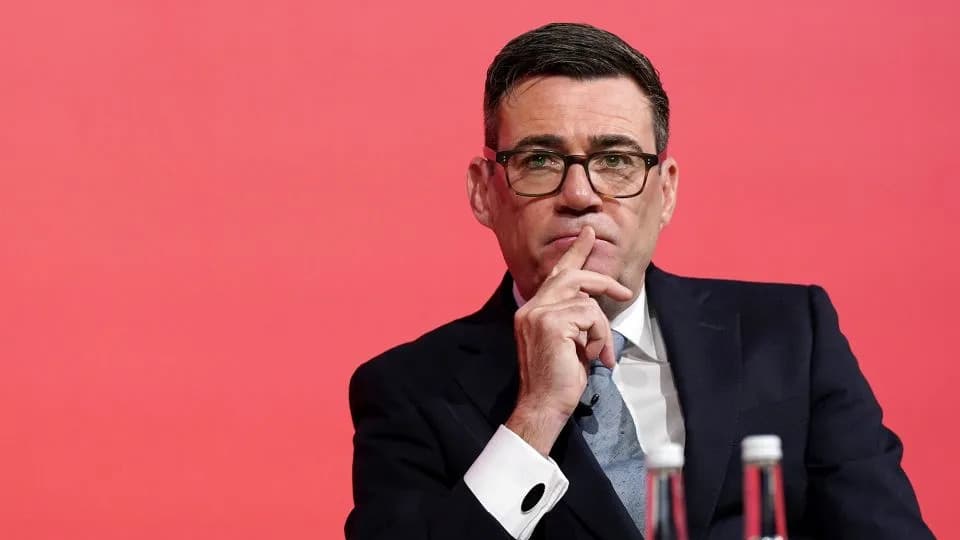
Prime Minister Andy Burnham has pledged his government will be "relentless" in reducing the number of people arriving in the UK on small boats, saying his administration is "changing the whole approach" and stepping up enforcement on both sides of the Channel.
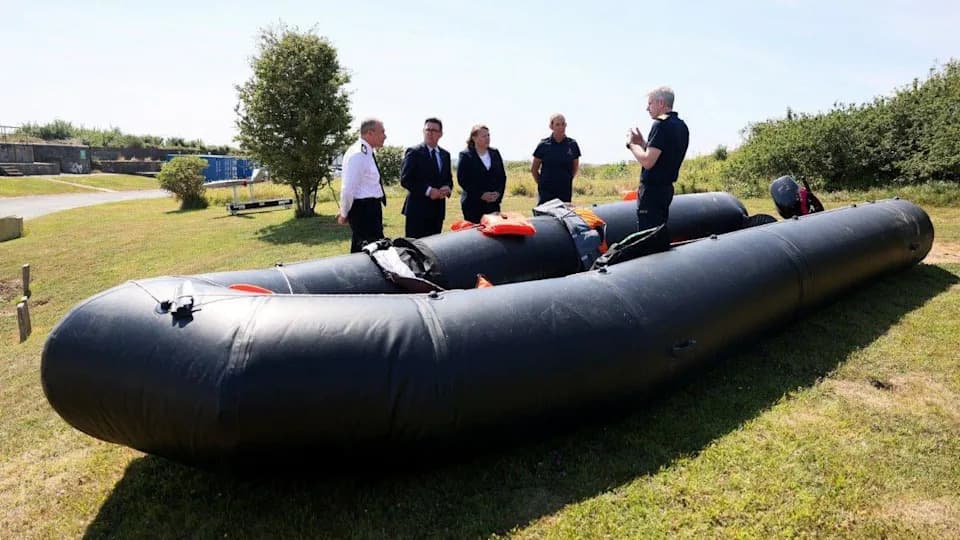
Speaking in Dover, Burnham highlighted a near doubling in investigators tackling people‑smuggling networks: National Crime Agency (NCA) officers assigned to disrupt small‑boat gangs have risen to almost 800 from 376 at the start of 2025, and he said French enforcement teams have seen a similar increase.
He said:
"People want to see this issue addressed. We also need to build a system that offers safe routes for people as well, because that also takes away the selling point of the gangs."
Burnham's remarks followed a spike in migration activity when tens of thousands of people entered the Spanish enclave of Ceuta after swimming from Morocco. He noted about 98% of those who crossed had been returned to Morocco and praised Rabat for addressing the immediate situation, while urging continued dialogue with the EU over Schengen‑area issues.
Government Data And Enforcement
The Home Office said there were nearly 300 arrests of suspected people‑smugglers last year and that more than 1,100 small boats and engines were seized. Officials also claimed the equipment confiscated by the NCA could have enabled roughly 72,000 additional illegal crossings — a figure the BBC has not independently verified.
During his visit to Dover’s joint command room, Burnham emphasised that progress was being made but cautioned against complacency: "Clearly, progress is being made, but we're not complacent."
Political Reactions And Legal Constraints
Political opponents seized on the issue. The Conservatives said Labour had not delivered on migration promises. Reform UK proposed a tougher stance: shadow home secretary Zia Yusuf said the party would order the Royal Navy to turn small boats back to France — a move he claimed could become "the largest military operation in the English Channel since World War Two." Labour dismissed that plan as a "desperate bid" to distract from scrutiny of Reform's finances.
International maritime law allows states to rescue people in vessels in distress but does not permit transferring rescued people to another country without that country's consent, a legal constraint that complicated proposals to push boats back at sea.
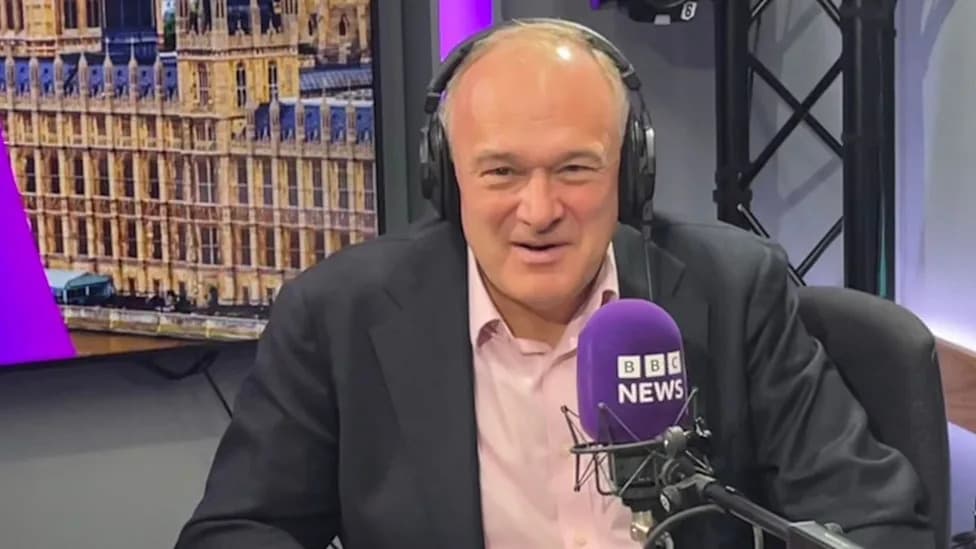
Conservative shadow home secretary Chris Philp accused Labour of failing to "smash the gangs" and urged leaving the European Convention on Human Rights to enable faster deportations — a step Burnham has not endorsed. The Liberal Democrats called for renewed cooperation with European partners and continued efforts to reduce the asylum backlog.
Trends And Context
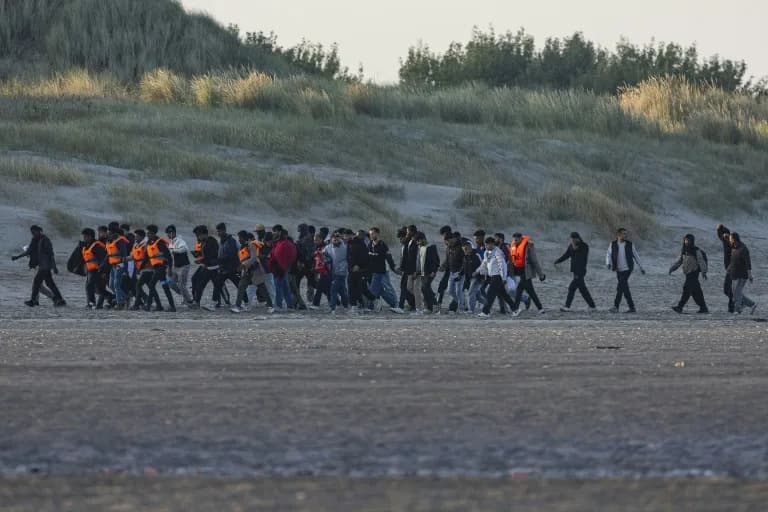
Since Burnham became prime minister two weeks ago, more than 2,000 people have arrived in the UK on small boats, including 326 on a single Saturday. The Home Office notes crossings usually rise in summer when sea conditions improve, but figures show small‑boat arrivals are down roughly 43% so far this year compared with the same period in 2025. Home Office data also indicate crossings peaked in 2022 and have trended downward since.
Separately, the Office for National Statistics reported that net migration to the UK fell to 171,000 last year — about half the 2024 level and the lowest since 2012 — a drop largely attributed to fewer arrivals from outside the EU for work and study.
Burnham said his approach combines tougher enforcement with creating safe, legal routes to reduce the demand for people‑smuggling networks, while committing to ongoing talks with European partners to address shared migration and border challenges.