The UK Home Office confirmed the year-long UK‑France "one in, one out" migrant swap is no longer processing new cases. The pilot, extended to October 1, 2026, returned roughly 1,500 people to France while accepting a similar number into Britain but fell short of its 2,600-exchange target. Legal and operational challenges, French reluctance to renew, ongoing Channel fatalities and recent prosecutions linked to past tragedies all factored into the decision.
UK Halts 'One In, One Out' Migrant Swap With France After Year-Long Pilot
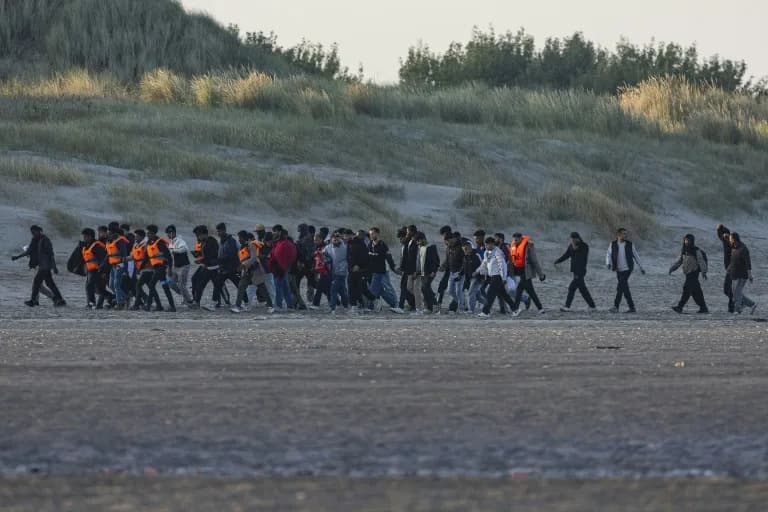
Migration has long been a bone of contention between France and the UK (Sameer Al-DOUMY)
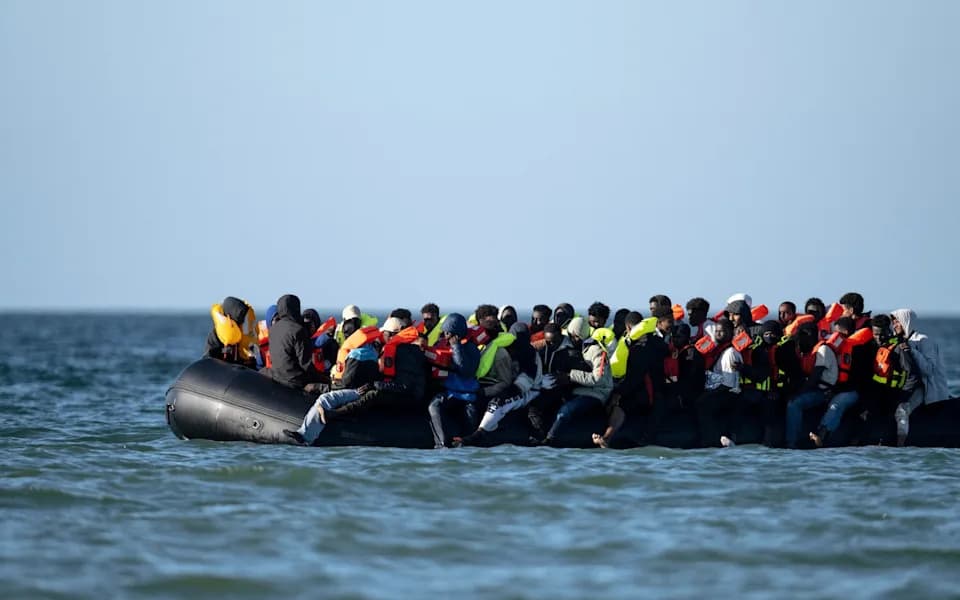
The UK Home Office announced on Wednesday that a year-long pilot agreement with France to return migrants who cross the Channel in small boats will no longer process new cases. The arrangement, often described as a "one in, one out" swap, began last August as a bilateral effort to reduce irregular Channel crossings and target people-smuggling networks.
What The Pilot Entailed
The pilot allowed the UK to remove some arrivals deemed not to have the right to remain while accepting an equivalent number of migrants from France judged likely to receive asylum in the UK. Priority was given to nationalities vulnerable to smugglers and to people with existing ties in Britain. The scheme was initially designed as a one-year pilot and had been extended until October 1, 2026.
Why The Scheme Ended
Officials cited a mix of legal and operational obstacles. The French interior ministry told AFP it was in talks to "withdraw" from the agreement ahead of its scheduled expiry. UK ministers acknowledged the pilot encountered legal challenges and that it proved difficult to scale up removals into the French system at the pace originally envisaged.
French Interior Minister Laurent Nunez said in June he had "clearly announced" the pilot was not intended to be renewed beyond October 1, 2026.
UK Interior Minister Shabana Mahmood told parliament the pilot had "not been without its challenges" and that "the numbers are still relatively small" while scaling up removals proved operationally difficult.
Numbers And Outcomes
According to UK figures, roughly 1,500 people had been returned to France under the scheme, with just under the same number accepted into Britain. The pilot originally aimed for 2,600 exchanges but fell short of that target.
Criticism, Tragedies And Legal Consequences
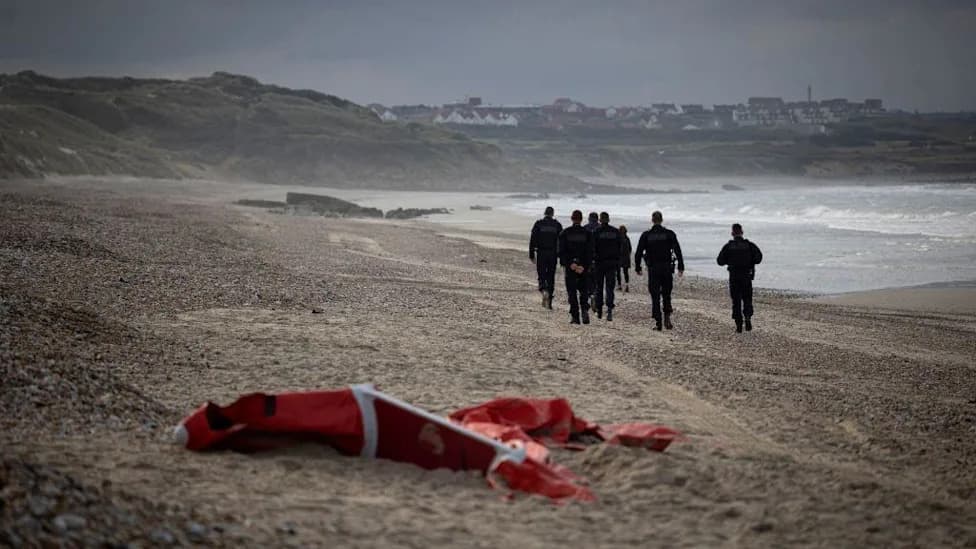
Human-rights groups criticised the arrangement for treating people as commodities and warned it risked undermining asylum protections. The human cost of Channel crossings remains stark: at least three migrants, including a 10-year-old boy, died off the French coast in a recent incident, and AFP tallies put this year’s Channel death toll at a minimum of 22.
So far in 2026, about 19,196 people have crossed the Channel from France, a decline of 42 percent compared with the same period last year. Separately, a French court on Wednesday sentenced six men to prison terms of six to 10 years for their roles in the deadliest Channel accident in November 2021, when at least 31 people died. The court described the perpetrators as acting out of greed and with utter disregard for human life.
The pilot’s suspension underscores the practical and political challenges of creating bilateral returns schemes while attempting to reduce dangerous crossings and dismantle people-smuggling operations.
Help us improve.