Spain's prime minister, Pedro Sánchez, has come under sharp criticism after flying to Lanzarote for a two-week summer break while hundreds of migrants remained in the Spanish enclave of Ceuta following an unprecedented mass crossing.
What Happened
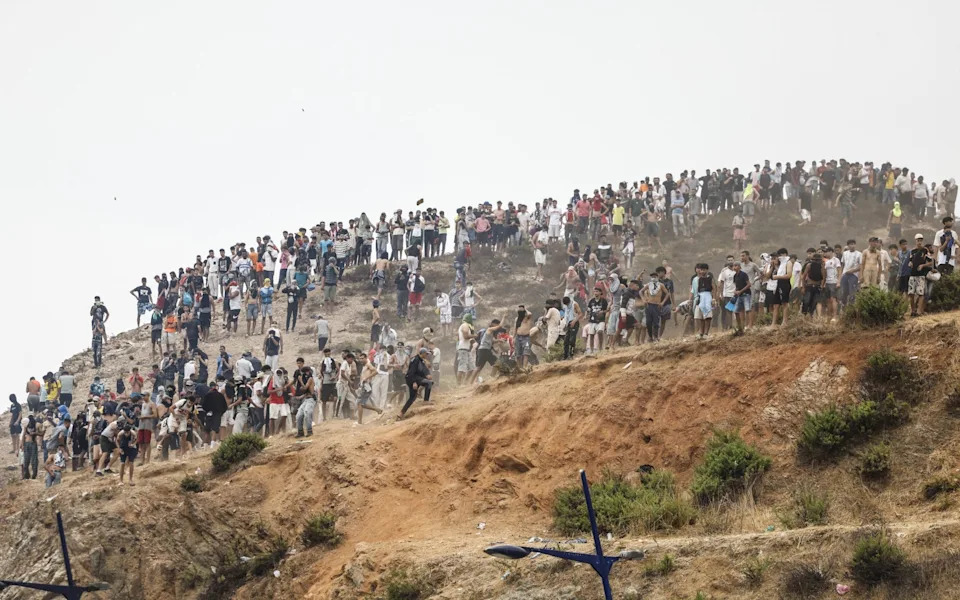
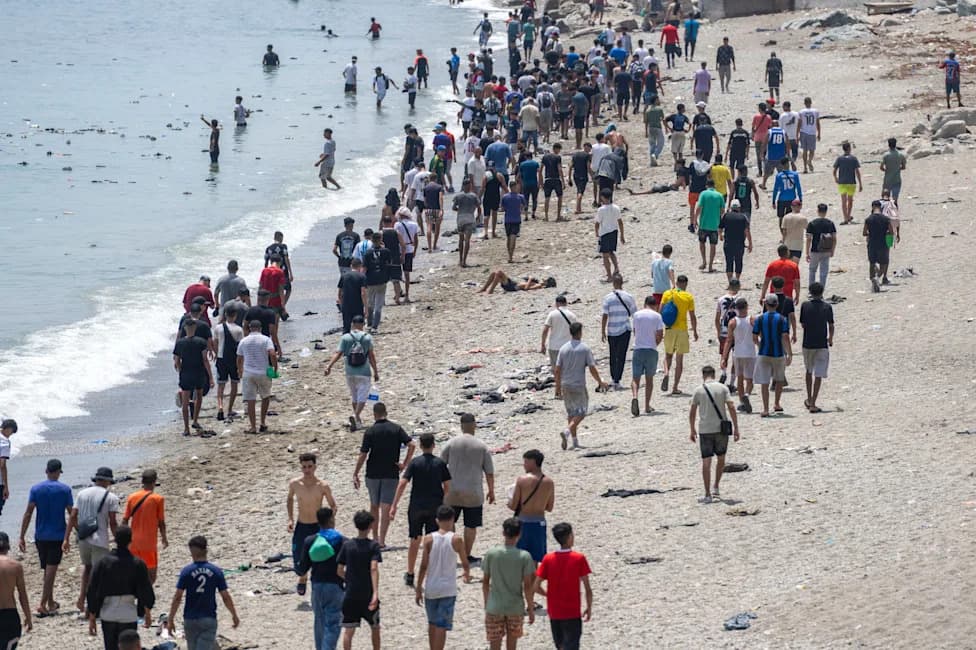
Over Thursday and Friday tens of thousands of people — official estimates put the number between 50,000 and 60,000 — entered Ceuta from Morocco in what authorities described as the largest incursion in the enclave's history. Spanish forces drove the majority back across the border, but divers continued to recover bodies from the sea and officials warned the death toll could rise. Spanish authorities told reporters that at least 75 people are believed to have died, most by drowning.
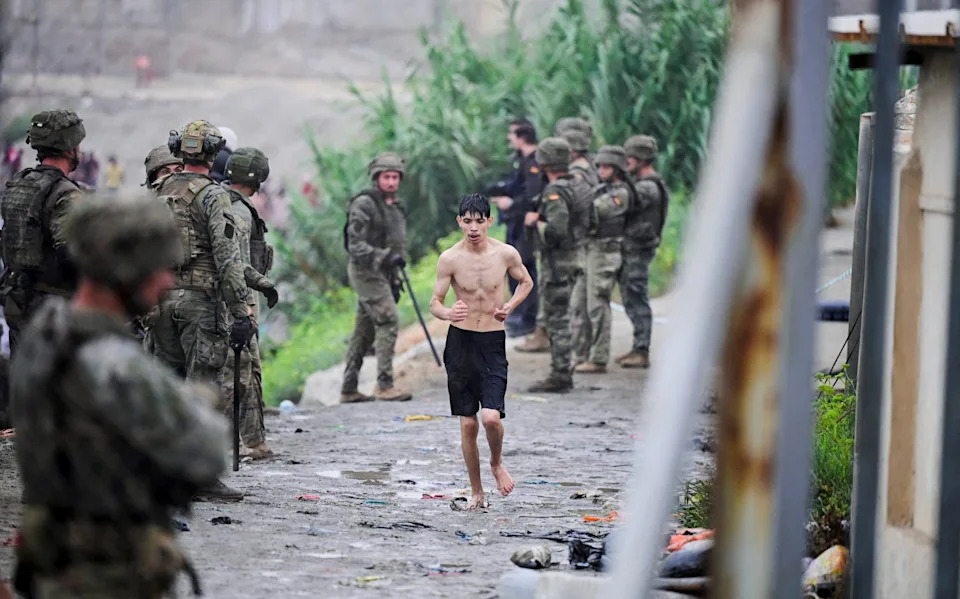
Spanish police and armed forces on patrol in Ceuta - Fabian Bimmer/Reuters
Conditions On The Ground
Many migrants who remained in Ceuta hid in tunnels, drainage pipes, scrubland and abandoned warehouses. Dozens of those staying appeared to be unaccompanied minors sleeping outdoors in disused industrial sites and reporting that they had not eaten for days. Video footage showed soldiers ordering a young migrant out of a drainage tunnel.
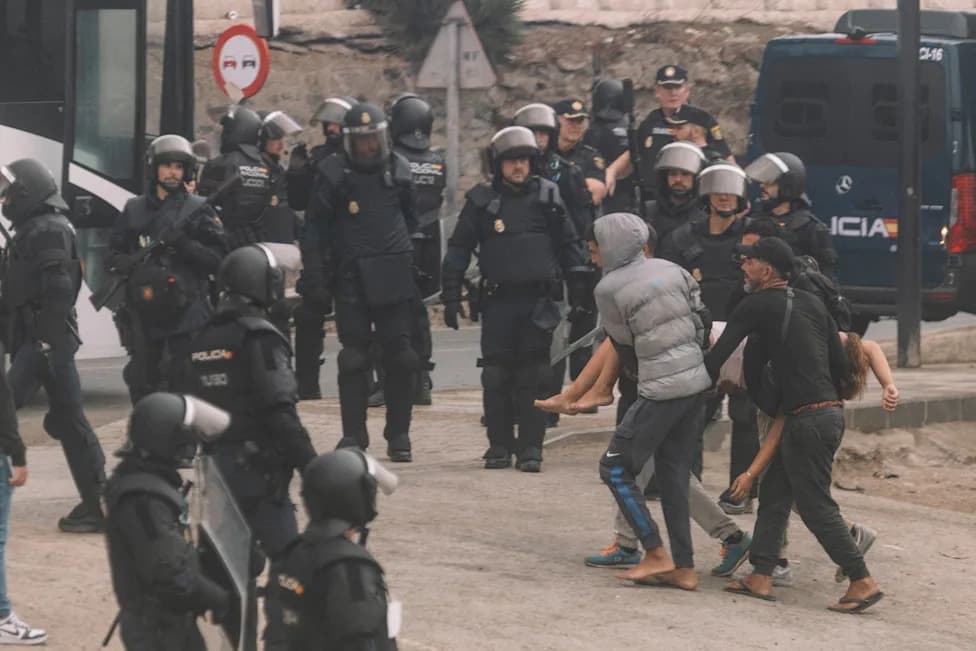
Local services were quickly overwhelmed. The enclave's mortuary exceeded capacity, prompting Spain's Military Emergencies Unit to deploy refrigerated trucks. Authorities installed a 500-metre floating boom off the seaward frontier and rounded up some groups of migrants who remained in the city.
Migrants climbing up rocks on to the shoreline in Ceuta, Spain - Abdel Majid BZIOUAT /AFP/Getty
Voices From Ceuta
“All the children here want to go to (mainland) Spain,” said Aziz Dabch, who was sheltering in a warehouse. “There is no food. We have not eaten today,” added his 17-year-old daughter.
Other migrants accused authorities of intentionally closing shops to make remaining arrivals return to Morocco. Some insisted they would stay despite hunger and hardship.
Legal And Human Rights Questions
Spanish law permits the removal of migrants who enter Ceuta or Melilla irregularly without allowing them to file asylum claims, under measures introduced in 2015. Critics and human-rights groups characterise such expulsions as pushbacks and stress they are tightly constrained under international law.
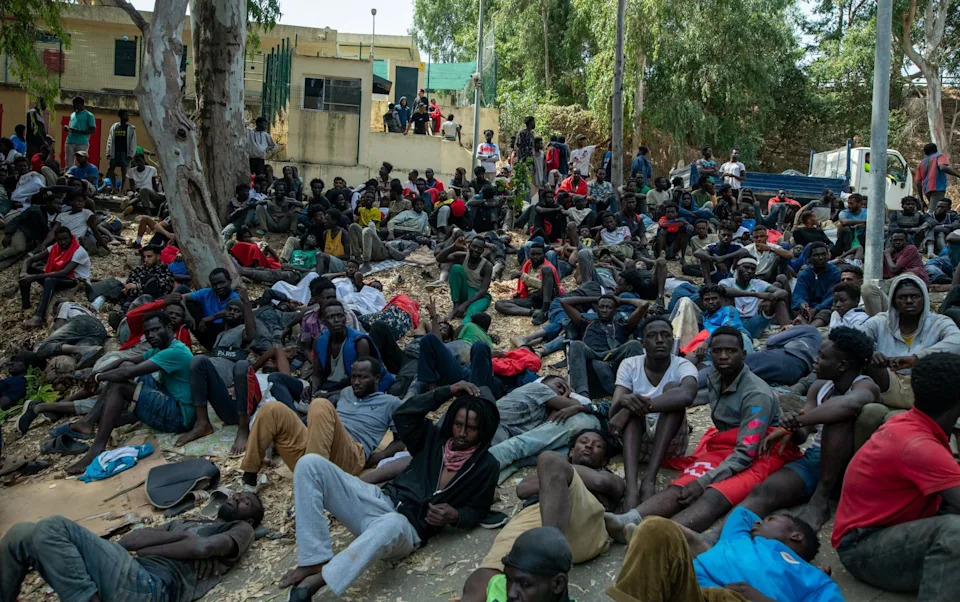
An overcrowded temporary immigrant stay centre in Ceuta - Juan Carlos Lucas/ZUMA Press Wire/eyevine
The presence of many unaccompanied children complicates returns. Spanish procedure requires suspected minors to be referred to child protection services, with courts determining repatriation. Immigration lawyers warned that returning children without proper safeguards could breach Spanish law and obligations under the UN Convention on the Rights of the Child.
Security And Social Responses
Security measures were bolstered around Ceuta, including maritime barriers and increased patrols; some migrants were detained and escorted to the border. Over the weekend far-right groups attempted to travel to Ceuta to capitalise on the crisis, but local residents — including large numbers from Ceuta’s Muslim community — staged demonstrations rejecting the politicisation of the tragedy and defending the city's tradition of coexistence.
The situation remains volatile: reception centres were overstretched, humanitarian needs persisted among those sheltering in the enclave, and authorities continued to search waters for further victims.
Ongoing Developments
Officials and rights groups said they would monitor returns closely and that the legal status of many arrivals — particularly sub-Saharan Africans who may have grounds to claim asylum — would need thorough assessment. The international community and media continue to follow developments as authorities balance humanitarian obligations, border security and public pressure.