Summer camps began in the mid-19th century as outdoor sites intended to shape children’s character and civic identity. Over time scouting, religious and community programs expanded camping opportunities, but access has often been limited by race, class and gender. Today camps remain economically significant and culturally contested — serving diverse missions while also reflecting ongoing debates about who belongs in America.
Summer Camps at the Crossroads: How Childhood Traditions Shape American Identity
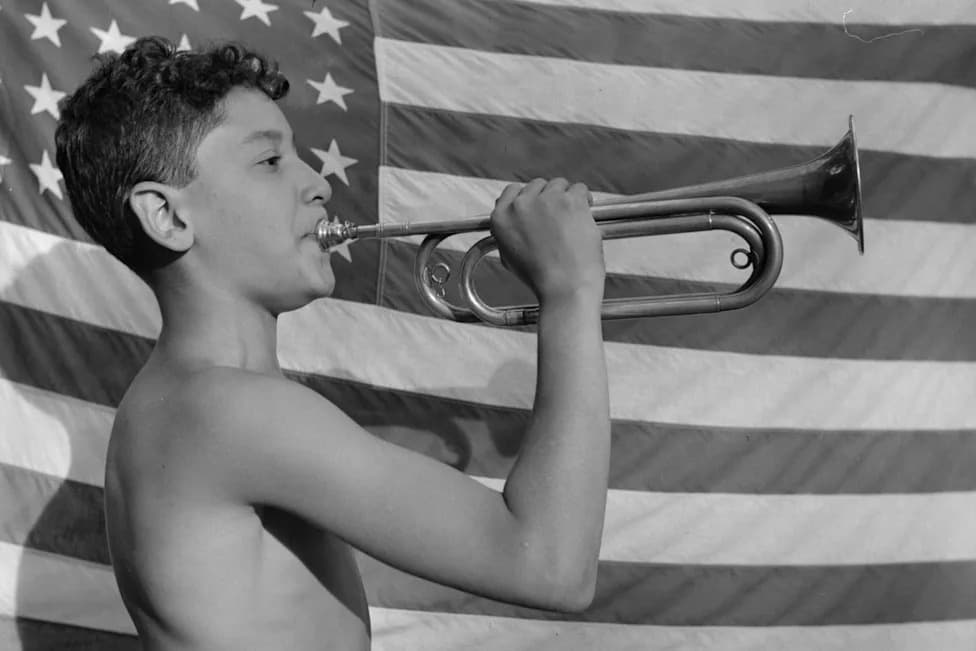
A camper blows a bugle at Camp Nathan Hale in upstate New York in 1943.Gordon Parks/Heritage Images/via Getty Images
Imagine tall pines reflected in a lake, a light breeze, children’s laughter from a distant dock and the smell of a canvas tent — images that lodge themselves in many Americans' memories of summer camp. But beyond nostalgia, summer camps have long been sites where values, civic ideals and disputes over belonging are taught to younger generations.
Origins and Early Purpose
Summer camping in the United States dates to the mid-19th century. Educator and outdoorsman Frederick W. Gunn is often credited with founding one of the first organized camps, The Gunnery Camp in Washington, Connecticut, in 1861. Early camps emphasized outdoor skills, physical discipline and character formation — in part a response to worries about urban life and children’s moral development.
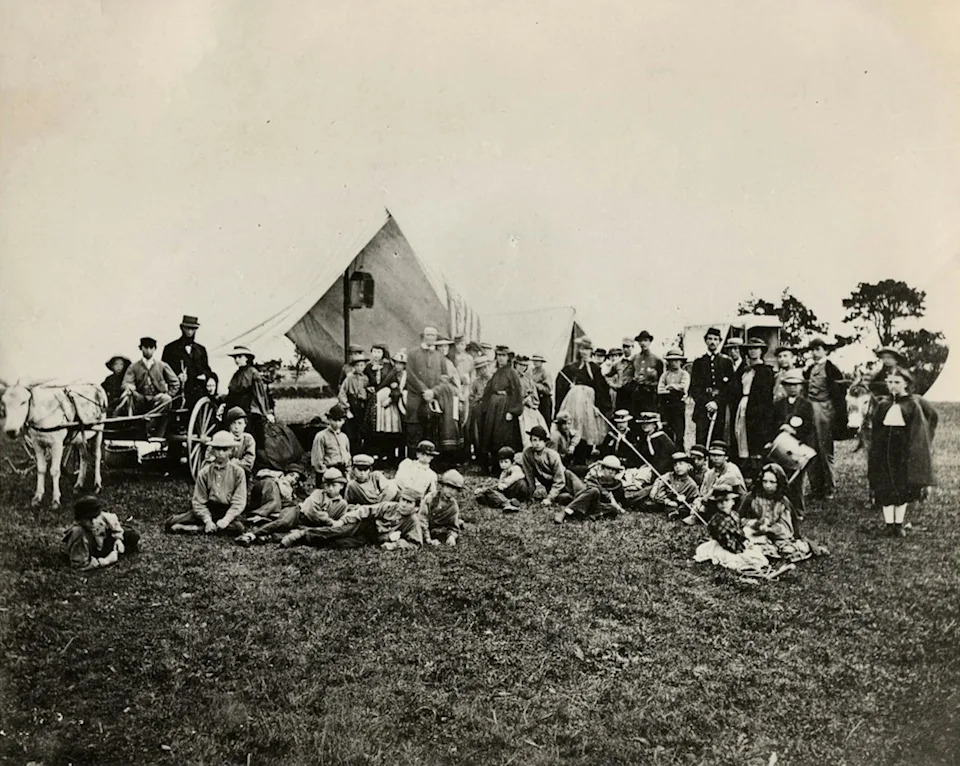
Campers at The Gunnery Camp, which was founded in Connecticut in 1861.Letters from Charley Goodyear/Wikimedia Commons
Growth, Institutions and Cultural Reach
By the late 19th and early 20th centuries, organizations such as the YWCA, YMCA, 4-H and later the Boy Scouts (1910) and Girl Scouts (1912) helped expand youth camping across the country. Camps provided a refuge from crowded, hot city summers and embodied the era’s emphasis on ruggedness and civic duty — ideas reinforced by movements like "muscular Christianity" and public figures such as Theodore Roosevelt.
Midcentury Expansion and Later Shifts
Attendance dipped during World War II but surged through the 1950s–1970s as youth organization membership rose. Since then, participation in some traditional groups has declined for multiple reasons: competition from year-round youth sports, organizational scandals, and rising costs that make camp inaccessible for many families.
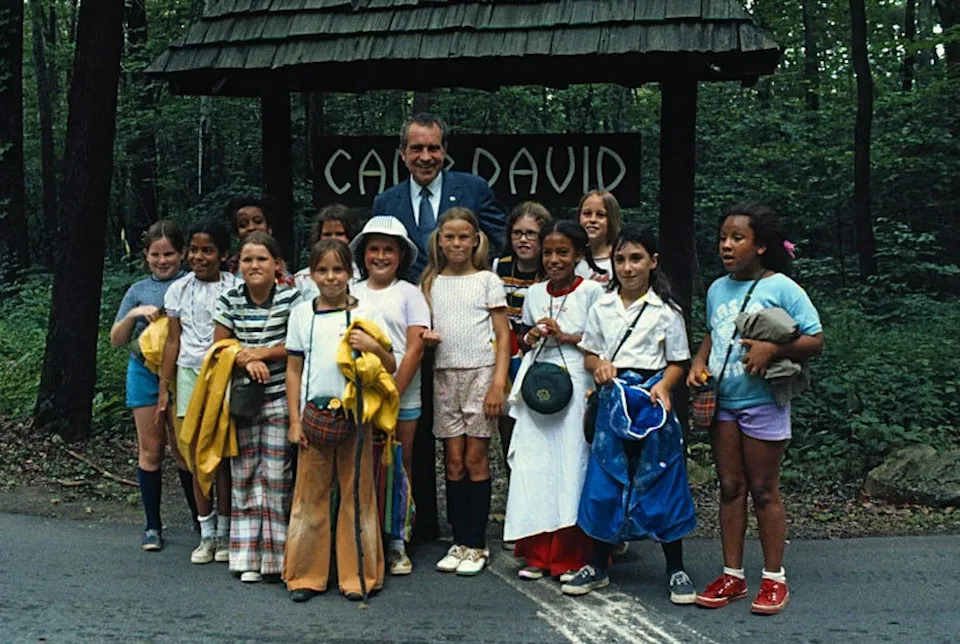
U.S. president Richard Nixon poses with a group of Girl Scouts from a nearby summer camp in 1973.Bettmann/Getty Images
Economic and Civic Impact
Despite declines in some areas, camps remain significant. A 2024 Gallup poll estimated roughly 30 million American youth took part in summer enrichment programs (including day camps, summer school and sleepaway programs). The American Camp Association estimates the youth camp industry contributes about US$70 billion annually to the U.S. economy. Beyond recreation, many camps still practice civic rituals — flag ceremonies, the Pledge of Allegiance and patriotic songs — while teaching cooperation, leadership and self-reliance.
Who Camps Were For — And Who Was Left Out
Summer camps were never neutral spaces. In the late 19th and early 20th centuries, many camps served predominantly white, Protestant, middle- and upper-class boys from Northeastern cities. In response, Jewish communities created camps in upstate New York around 1900 to foster assimilation and civic participation, and Black communities founded camps such as Camp Atwater in Massachusetts to counter segregation, build pride and develop leaders.
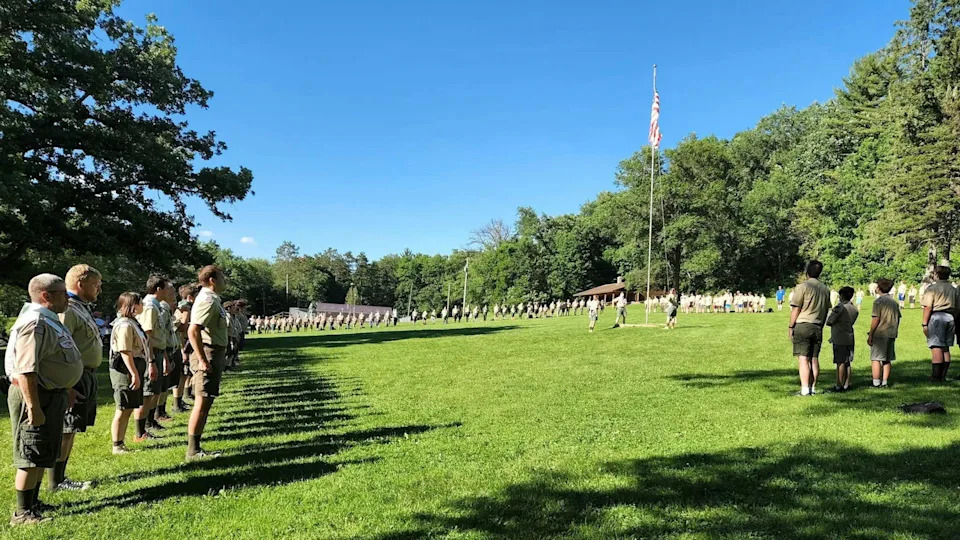
Scouts, leaders and staff stand at attention for a flag-lowering ceremony at Canyon Camp in Stockton, Ill. Canyon Camp
Interracial camps appeared by the mid-20th century, and photographer Gordon Parks documented integrated camp life in 1943. Yet integration progressed slowly: when the American Camping Association adopted a nondiscrimination, interracial policy in 1965, 125 members resigned in protest, and many Southern programs hesitated to desegregate despite federal funding.
Persistent Inequities and Contemporary Contestation
Disparities in access endure. A 2024 Gallup poll found Black, Asian and low-income children are less likely to attend summer camps; 32% of parents cited cost as a reason their child did not attend. Wealthier children remain overrepresented at many traditional camps. At the same time, modern camps are diverse in mission: scout camps, faith-based programs, LGBTQ camps and camps for children with disabilities each offer different experiences and values.
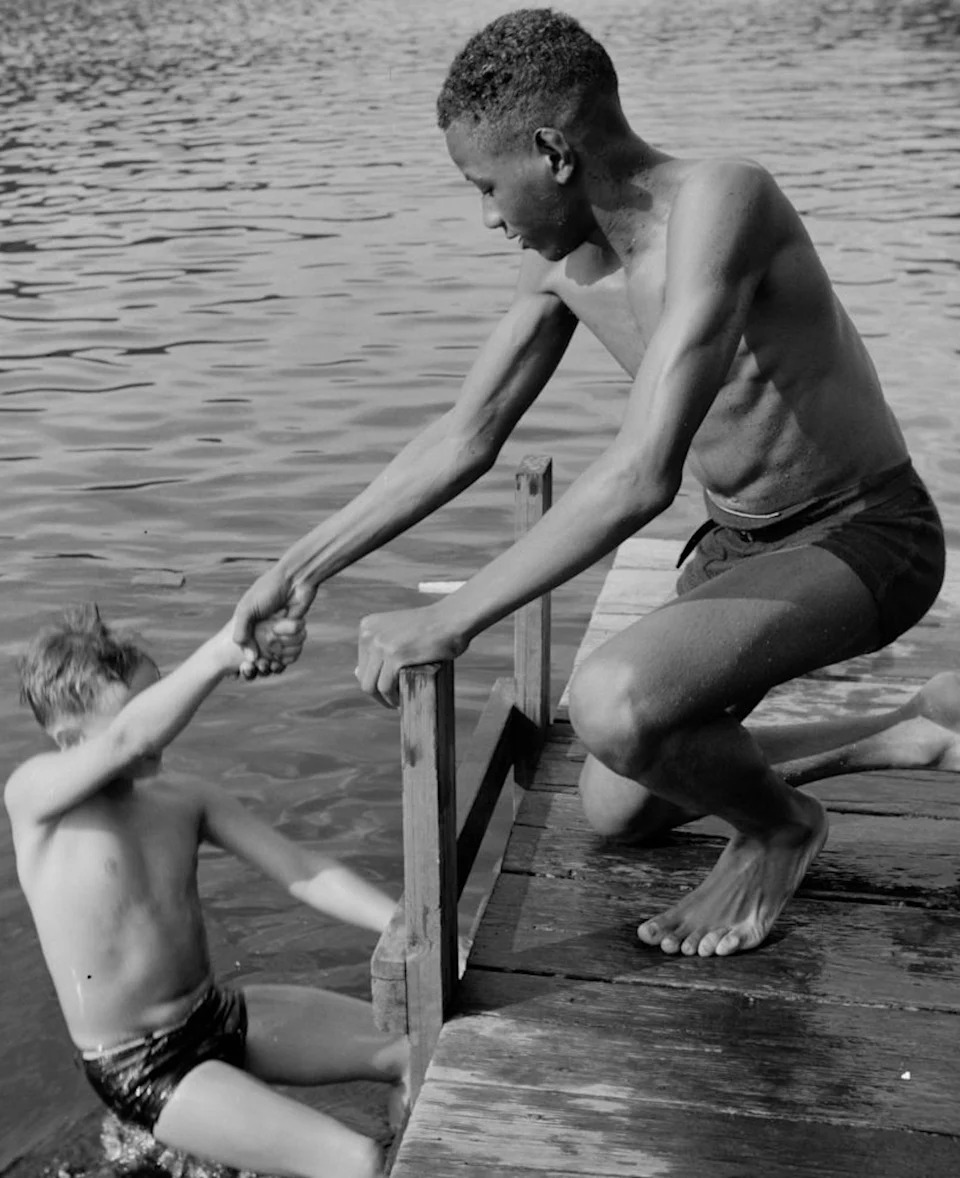
A boy gets a helping hand from a fellow camper on the lake at Camp Nathan Hale in 1943.Gordon Parks/Heritage Images via Getty Images
Recent political debates have turned camps and scouting into flashpoints in broader culture wars. Calls by some public figures to roll back diversity, equity and inclusion practices in scouting — and to re-emphasize older, masculinist visions of camping — underscore that these institutions are central to debates about who counts as a ‘‘good American.’’ As the nation approached its 250th anniversary in 2026, such debates made summer camps a fitting place to reflect on which civic values we want to pass to the next generation.
By Seth T. Kannarr and Derek H. Alderman, University of Tennessee. Seth T. Kannarr is Camp Director at Canyon Camp, a Scouting America summer camp in Northwest Illinois. Derek H. Alderman is Professor of Geography at the University of Tennessee and has disclosed no relevant affiliations beyond his academic appointment.
Help us improve.