Private investors and travel clubs have transformed youth sports into an increasingly costly, pay‑to‑play ecosystem. Average household spending is roughly $1,000 a year, but families in travel programs often pay thousands per season — in some cases $25,000 annually. The shift has driven early specialization, higher stress and more overuse injuries among children. Community models like Minnesota Ice Hockey (250 rinks, $200–$400 fees, ~60,000 participants) show that broad access can still produce elite players while keeping sports affordable and fun.
How Private Money and Travel Clubs Turned Youth Sports Into A Pay‑To‑Play System
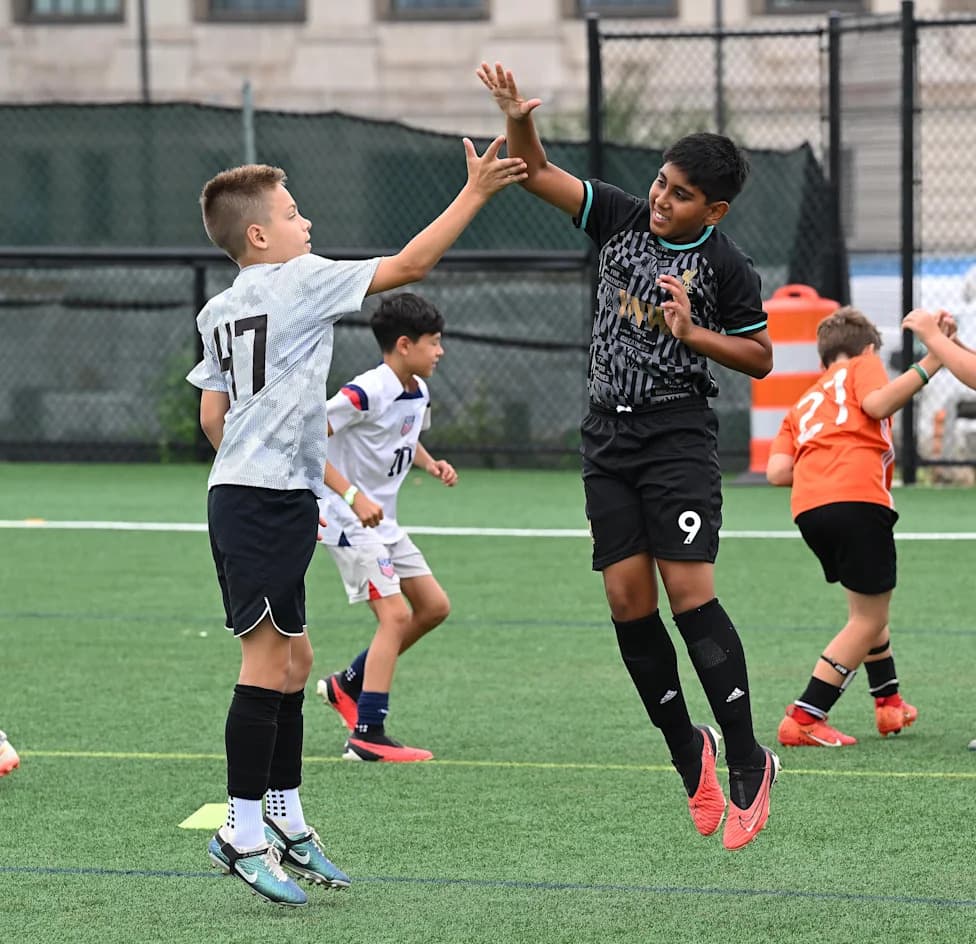
Some families are paying thousands of dollars to keep their kid in a sport that they love. | John Powell/Liverpool FC via Getty Images
Over the past decade, organized youth sports in the United States have shifted from inexpensive, community-based recreation to an increasingly expensive, investor-backed ecosystem. Budget cuts to parks and recreation, accelerated by the Covid‑19 pandemic, left a gap that private equity and travel clubs moved quickly to fill — often with multiple revenue streams tied to a single sport.
How Investors Built A Sports Ecosystem
Journalist Caitlin Moscatello explored this trend in New York Magazine and discussed her findings on the podcast Today, Explained with co-host Noel King. What she describes is a "roll-up" strategy: investors acquire stakes across the youth-sports value chain so families encounter repeated fees — league dues, mandated apparel, scheduling apps, preferred hotels and even media packages for game photos and video.
Parents report being told they cannot film games, only to be offered paid photo and video packages. Families also describe mandates to use specific vendors or book designated hotels at tournaments. These touchpoints turn youth sports into a sequence of predictable revenue streams for investor-backed companies.
What Families Are Paying
On average, households spend just over $1,000 per year on youth sports. But costs climb rapidly in the travel club sector: many families pay about $3,000 per season; fees commonly reach $5,000–$10,000 depending on sport and region. Moscatello spoke with several families reporting annual bills of $25,000. One single mother worked full time and pet‑sat on the side to afford her son's $25,000‑a‑year hockey program. She and other parents have turned to GoFundMe pages to cover fees for 6‑ to 8‑year‑olds who make travel teams.
What Parents Get — And Why They Feel They Have No Choice
Many parents say the move to expensive clubs is driven less by preference than by necessity. Municipal rec programs have thinned; in some places leagues largely disappear after third or fourth grade. Private clubs recruit children younger and younger — there are tryouts for kindergarteners and first‑graders in some areas — creating a powerful fear of missing out. As one parent put it, "If we don't get in on the ground floor, the elevator's going to go up without us."
"It's kind of hard when you look across the field and you see the kids with their shiny helmets and their fancy uniforms and their professional coach." — Parent interviewed by Moscatello
When children leave rec programs early, local leagues lose players and prestige, further accelerating the shift toward privatized travel clubs.
Costs To Kids: Physical And Psychological
Participation in sports brings well‑documented benefits: better academic outcomes, higher self‑esteem and improved long‑term health. But Moscatello's reporting highlights growing harms in the privatized model. Young athletes face increased stress, anxiety and burnout — and a surge in overuse injuries.
Medical experts advise that young children should sample multiple sports to develop varied muscle groups and motor skills. Year‑round specialization — tournaments every weekend, multiple weekday practices and repetitive, sport‑specific training — raises the risk of repetitive‑strain injuries in developing bodies.
Is There A Way Forward?
Moscatello frames the problem as a collective‑action challenge: if more parents stayed in local rec programs, those systems would be stronger and more sustainable. While she notes we can't entirely return to the 1990s model, she points to successful community-based alternatives.
Minnesota Ice Hockey is a nonprofit example: centered on roughly 250 public rinks, fees run about $200–$400 per season, coaches are volunteers trained through USA Hockey, and about 60,000 kids participate. That structure has produced top collegiate players while keeping access broad and affordable — demonstrating that elite development and mass participation are not mutually exclusive.
What Parents And Communities Can Do
Potential remedies include reinvesting in municipal recreation, supporting nonprofit models, resisting early single‑sport specialization, and advocating for transparent, fair pricing when private vendors are involved. Ultimately, restoring balance will require parents, community leaders and policymakers to coordinate so youth sports prioritize access, fun and healthy development over monetization.
Reporting and quotes referenced are from Caitlin Moscatello's piece in New York Magazine and her conversation on the podcast Today, Explained.
Help us improve.