Two St. Pete Beach business owners were charged after investigators say about 1,500 mothballs were deliberately scattered near a roped-off shorebird nesting area in April. The Florida Fish and Wildlife Conservation Commission says mothballs contain toxic naphthalene and that using them as a wildlife deterrent is illegal. Authorities arrested 47-year-old Robert Monroe and a 52-year-old neighbor who owns Chris's Beachside Bar; both face commercial littering and attempted take-by-harassment charges. FWC reported no birds were harmed and the colony remained.
Florida Business Owners Charged After Scattering About 1,500 Mothballs to Drive Off Protected Shorebirds
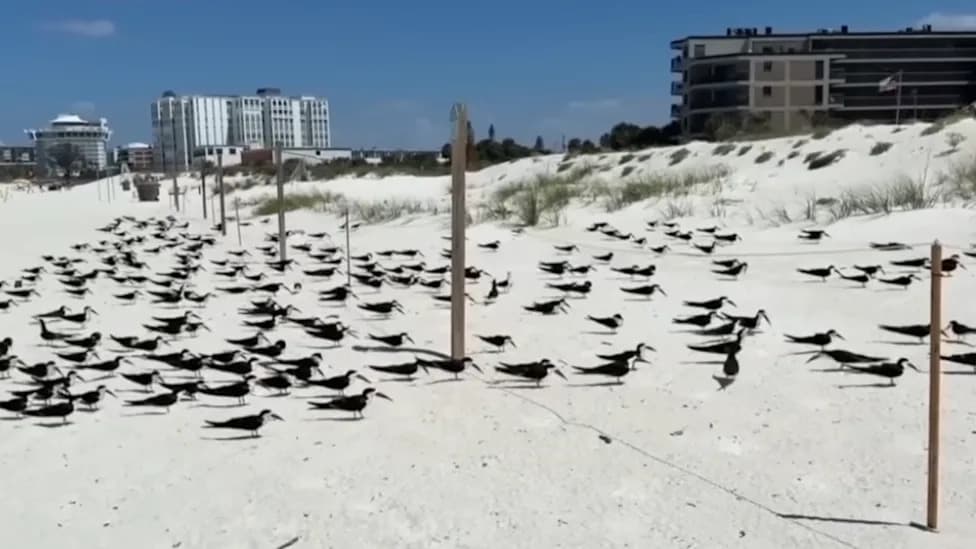
Image Credit: Tampa Bay 28 / YouTube.
Two St. Pete Beach business owners have been charged after wildlife officials say roughly 1,500 mothballs were deliberately scattered near a roped-off shorebird nesting area in April.
What Happened
The Florida Fish and Wildlife Conservation Commission (FWC) reports the mothballs were found on the sand near a beachfront plaza and an adjacent bar just as shorebird nesting season began. Investigators say the placement and timing made accidental dispersal unlikely.
Who’s Involved
Authorities arrested 47-year-old Robert Monroe, owner of the beachfront plaza property, and a 52-year-old neighbor who owns Chris's Beachside Bar. Both face criminal counts including commercial littering and attempted take of a state-listed species by harassment.
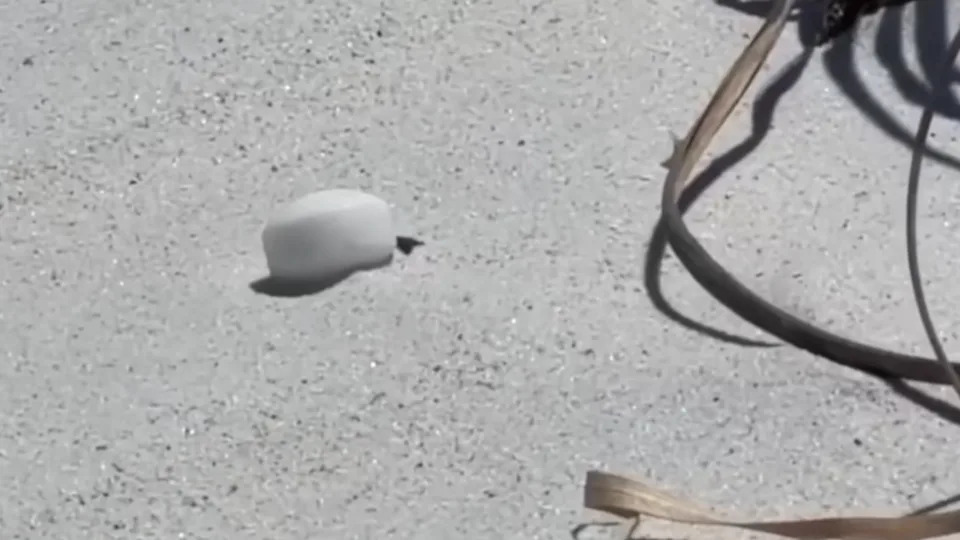
Image Credit: Tampa Bay 28 / YouTube.
Evidence And Motive
FWC investigators concluded the mothballs were placed intentionally rather than scattered carelessly. Officials say mothballs contain naphthalene, a toxic compound, and that using them to deter wildlife in this way is prohibited. Investigators also recovered a text message in which one of the men reportedly asked the other whether he had mentioned losing access to part of the beach — a message FWC says helped establish motive when combined with the physical evidence.
Impact On Wildlife
FWC reported that, despite the attempt to drive the birds off, the colony remained and no birds were harmed. The commission noted that shorebirds often abandon nests if they detect a threat, which is why roped-off nesting areas are posted each spring to protect eggs and chicks from disturbance.
FWC Statement: Officials described the use of mothballs as a harmful and illegal deterrent, underscoring that beaches are shared habitats with protected wildlife.
Why It Matters
The case highlights legal protections for nesting shorebirds and the potential criminal penalties for deliberate attempts to displace or harass protected species. As the investigation proceeds, it serves as a reminder to property owners and beachgoers that wildlife laws apply to public shorelines.
Help us improve.