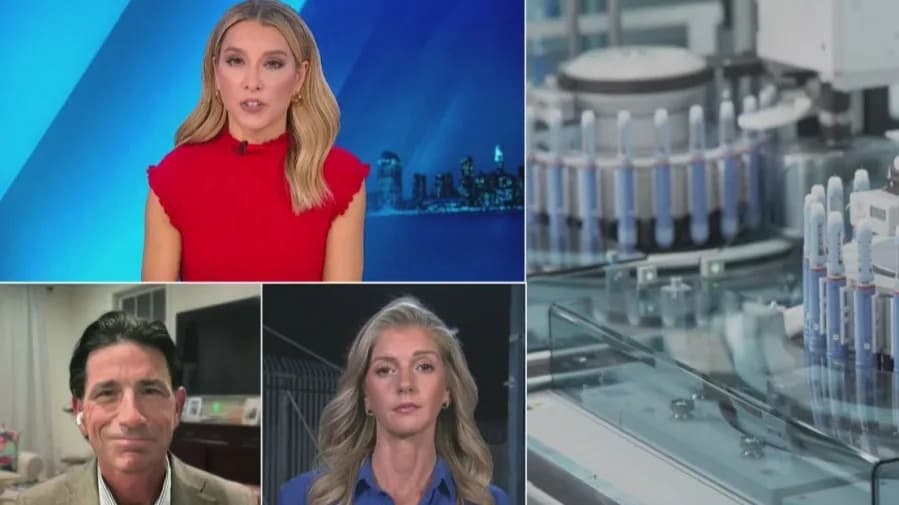
The FDA advisory committee voted to ease compounding restrictions for six of seven peptides under review — a move that clashes with concerns raised by FDA staff scientists about safety, manufacturing quality, and limited human data. The panel approved consideration of compounds including BPC‑157, a popular but poorly studied peptide with theoretical angiogenesis risks. Physicians and patient‑safety groups warn that many patients are already using unapproved peptides based on social media, and urge that FDA licensing and rigorous clinical evaluation remain essential.
FDA Advisory Panel Backs Looser Compounding For Most Peptides Despite Agency Scientists' Warnings

Peptides are popular. But experts and physicians believe they should be better regulated. (Photo by Smith Collection/Gado/Getty Images)Gado via Getty Images
An FDA advisory committee recently voted to relax compounding restrictions for six of seven peptides under review, a decision that conflicts with recommendations from the agency's own staff scientists. The panel — which included several members with ties to the peptide industry — recommended adding those six peptides to an approved-ingredient list for specialty pharmacies, even though compounded peptides do not undergo the same premarket safety and efficacy review as FDA‑approved medicines.
Why the Vote Matters
Under pharmacy compounding rules, specialty pharmacies can prepare customized medications using ingredients on an approved list. Compounded products, however, are not individually reviewed by the FDA for safety, efficacy, or manufacturing quality the way approved drugs are. FDA staff scientists have warned that many of the peptides under consideration lack robust human clinical data and could pose risks such as allergic reactions or contamination from poorly controlled manufacturing processes.
BPC‑157 and Safety Concerns
One compound highlighted by the panel’s vote is BPC‑157, a synthetic peptide derived from a protein in gastric juice that has become popular among wellness influencers. It is promoted for tissue repair, tendon and ligament healing, and gut recovery. Evidence in humans is limited to small studies, and researchers have raised theoretical safety concerns — notably that BPC‑157 may stimulate angiogenesis (new blood‑vessel growth), a process that, while important for healing, can also support tumor growth under some conditions.
What Experts and Journalists Have Reported
Investigative reporting from outlets such as Undark has traced the history and rising popularity of peptides, noting that some peptides are well‑established medicines (for example, insulin and GLP‑1 agonists such as semaglutide), while many others have been adopted outside conventional clinical pathways on the basis of anecdote and influencer promotion. Media reporting cited in this debate includes MedPage Today and STAT News, as well as commentary and analysis from Forbes.
Industry, Politics, and Patient Safety Concerns
The advisory meeting was convened at the request of Health and Human Services leadership, lawmakers, and industry stakeholders. HHS Secretary Robert F. Kennedy Jr. has publicly supported broader access to peptides through inspected facilities, arguing that it would be safer than letting consumers rely on unregulated gray‑market suppliers. Critics counter that the panel’s votes risk being interpreted as broader clinical endorsement for compounds that, according to FDA staff, lack sufficient evidence.
"These votes are a serious setback for patient safety," said Shabbir Imber Safdar, Executive Director of the Partnership for Safe Medicines. "The Pharmaceutical Compounding Advisory Committee voted to advance substances that FDA's own scientists flagged as lacking adequate evidence of safety, efficacy, or quality. The Committee's recommendation will inevitably be interpreted by many as an endorsement of broader clinical use. It is not."
Physicians' Experience and Public Use
Surveys and physician reports indicate that use of unapproved peptides is already common. A Sermo survey of U.S. physicians found that nearly half reported patients disclosed using unapproved peptides in the past year; two‑thirds of doctors said they were "very" or "moderately" concerned about patients obtaining investigational peptides outside supervised clinical pathways, and more than four out of five said FDA licensing is essential to how they would counsel patients.
Patient demand is largely driven by social media, podcasts, online forums and influencer promotion rather than clinical evidence — a dynamic critics call a "peptide craze." A Pew Research Center analysis found that a substantial share of prominent wellness accounts lack formal medical credentials, which compounds concerns about the quality of information spread to consumers.
What Happens Next
The FDA does not always follow advisory committees’ recommendations, though it frequently does. The agency must now weigh the panel's advice against staff concerns, public‑health implications, and political pressures. Patient‑safety advocates and many clinicians are urging that any policy changes emphasize rigorous manufacturing oversight, clear public guidance on risks, and robust clinical evaluation before broader clinical use is allowed.
Sources
This article draws on reporting and statements from the FDA advisory process and coverage by MedPage Today, STAT News, Undark, Forbes, the American Medical Association, the Partnership for Safe Medicines, and a Sermo physician survey.
Help us improve.