Tashkent Modernist Architecture: Modernity and Tradition in Central Asia, a serial ensemble of ten buildings and complexes from the 1960s–1990s, has been added to the UNESCO World Heritage List. The decision was taken at the 48th World Heritage Committee session in Busan (19–29 July 2026) under Criterion IV. The sites demonstrate how international modernism was adapted to Central Asian traditions, climate and seismic needs, and officials stressed the need for rigorous conservation and continued public use.
Tashkent’s Modernist Masterpieces Added to UNESCO World Heritage List
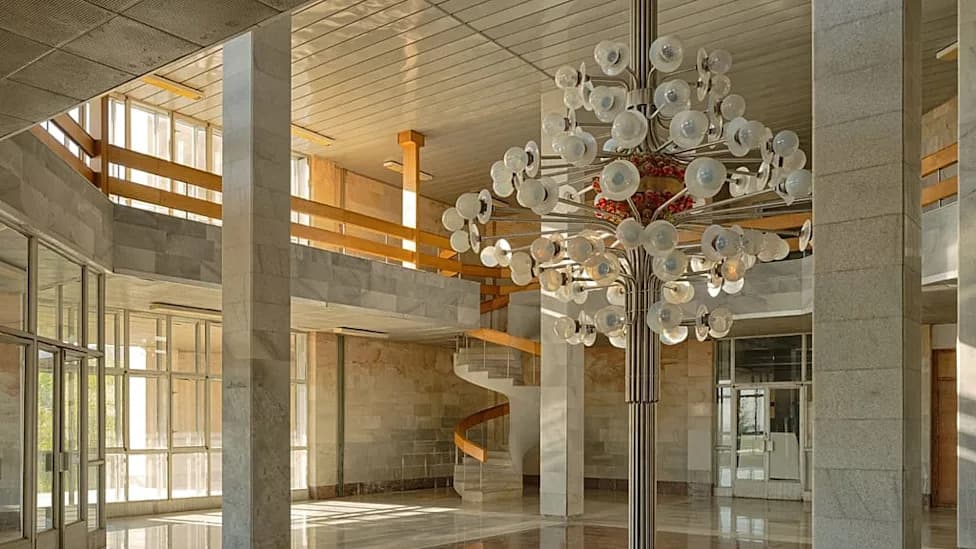
Grand designs: Tashkent’s modernist architecture joins UNESCO World Heritage List
Tashkent Modernist Architecture: Modernity and Tradition in Central Asia — a serial ensemble of ten modernist buildings and urban complexes linked to Tashkent’s postwar transformation — has been inscribed on the UNESCO World Heritage List. The sites, built between the 1960s and the early 1990s, were recognised for illustrating how international modernist design was adapted to local traditions, climate and seismic risk.
The World Heritage Committee approved the inscription at its 48th session in Busan, Republic of Korea, held from 19 to 29 July 2026. The serial property was inscribed under Criterion IV, which highlights outstanding examples of architectural and urban ensembles that represent a significant stage in human history.
An Era of Rebuilding and Local Adaptation
Tashkent’s shift toward modernism was already underway before the catastrophic 1966 earthquake, but the disaster accelerated a major reconstruction programme that reshaped the city. New avenues, public squares, housing complexes, museums and cultural institutions emerged, combining international modernist principles with Central Asian features such as courtyards, loggias, geometric ornamentation and monumental artworks drawn from local craft traditions.
Design responses also addressed practical conditions: deep façades, sun-screens and shaded loggias mitigate intense summer heat, while modern construction methods improved seismic resilience. Together, the components show how modernist architecture served a wide range of public and everyday functions—from housing and transport to museums, entertainment, commerce and scientific research.
What Was Inscribed
- Zhemchug ("Pearl") Residential Building
- State Museum of History
- Central Exhibition Hall of the Academy of Arts
- Kosmonavtlar Metro Station
- Big Solar Furnace (Sun Heliocomplex, near Parkent)
- Peoples' Friendship Palace
- State Museum of Arts
- State Circus
- Chorsu Market
- Alisher Navoi Cinema Palace
Nine of the ten sites lie along the main urban axes created during central Tashkent's reconstruction, while the experimental Big Solar Furnace stands outside the capital near Parkent, completed in the late 1980s.
"This is recognition of the value not only of individual buildings, but of an entire era," said Saida Mirziyoyeva, Head of Uzbekistan's Presidential Administration. "UNESCO recognition also carries a long‑term responsibility: to conserve these buildings with rigour, keep them part of the life of the city and pass their knowledge to future generations."
Gayane Umerova, Chairperson of the Uzbekistan Art and Culture Development Foundation and head of the country's National Commission for UNESCO, added that the inscription places a vital chapter of Uzbekistan's recent architectural history within the global story of 20th‑century modernism.
Wider Context
The inscription raises Uzbekistan's number of cultural properties on the World Heritage List to six. Other cultural entries include Itchan Kala (Khiva), the historic centres of Bukhara and Shakhrisabz, Samarkand – Crossroad of Cultures, and the transnational Silk Roads: Zarafshan‑Karakum Corridor. Uzbekistan also has two natural World Heritage properties: the Western Tien‑Shan (inscribed 2016) and the Cold Winter Deserts of Turan (inscribed 2023).
The new listing not only recognises architectural achievement but also underscores the long-term challenge of protecting 20th‑century heritage — ensuring these modernist buildings remain functional parts of urban life while being conserved for future generations.
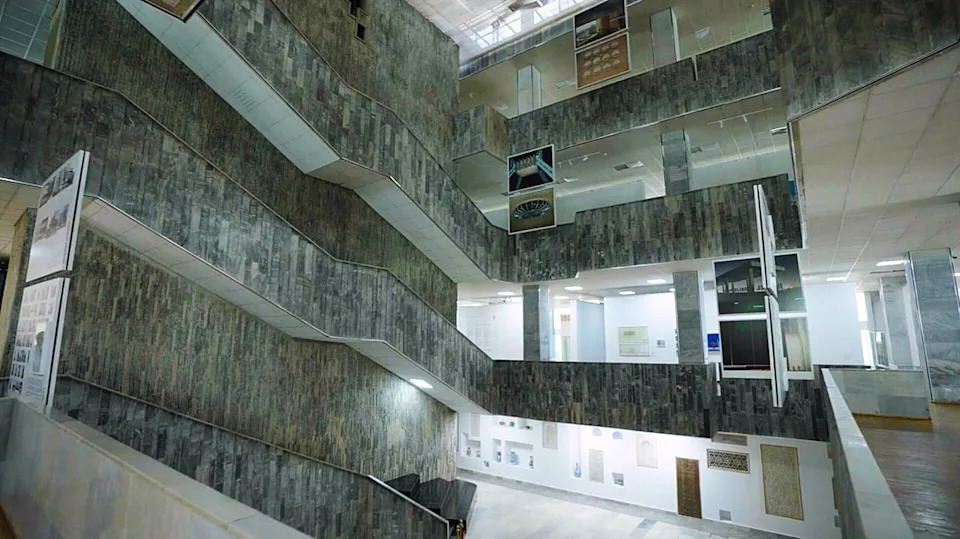
State Museum of Arts - Euronews
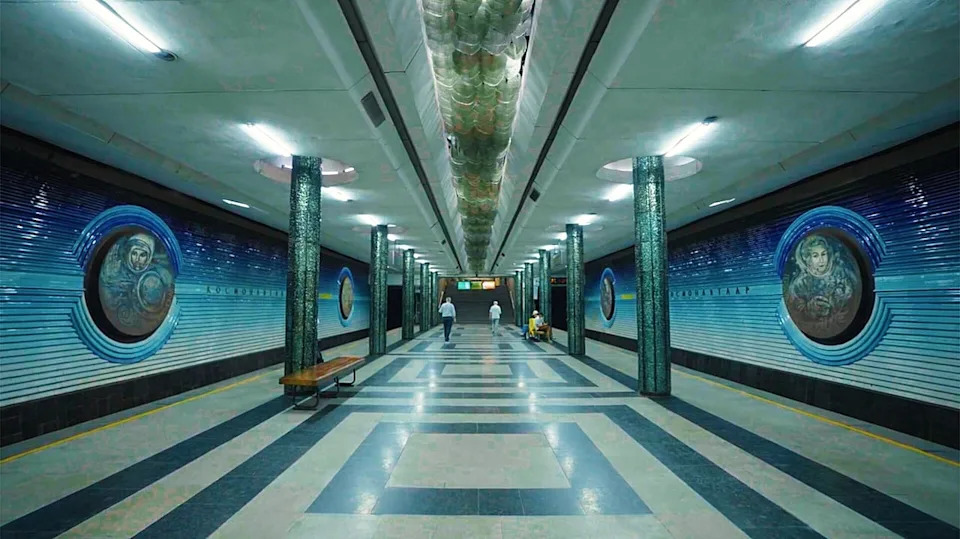
Kosmonavtlar Metro Station - Euronews
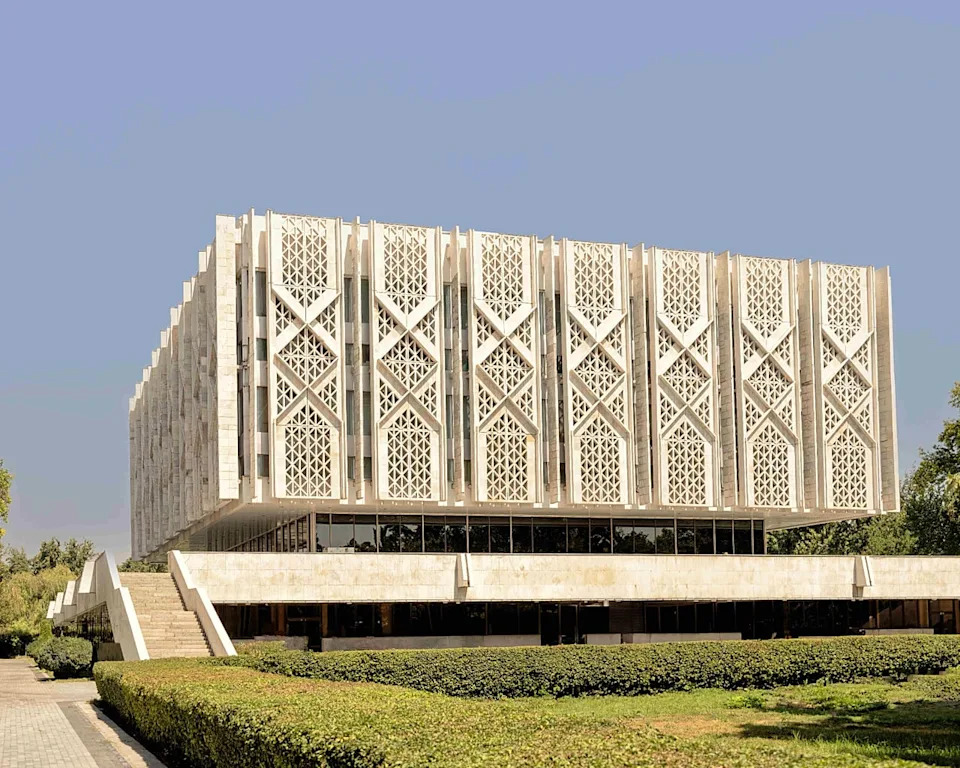
State Museum of History - Uzbekistan Art and Culture Development Foundation
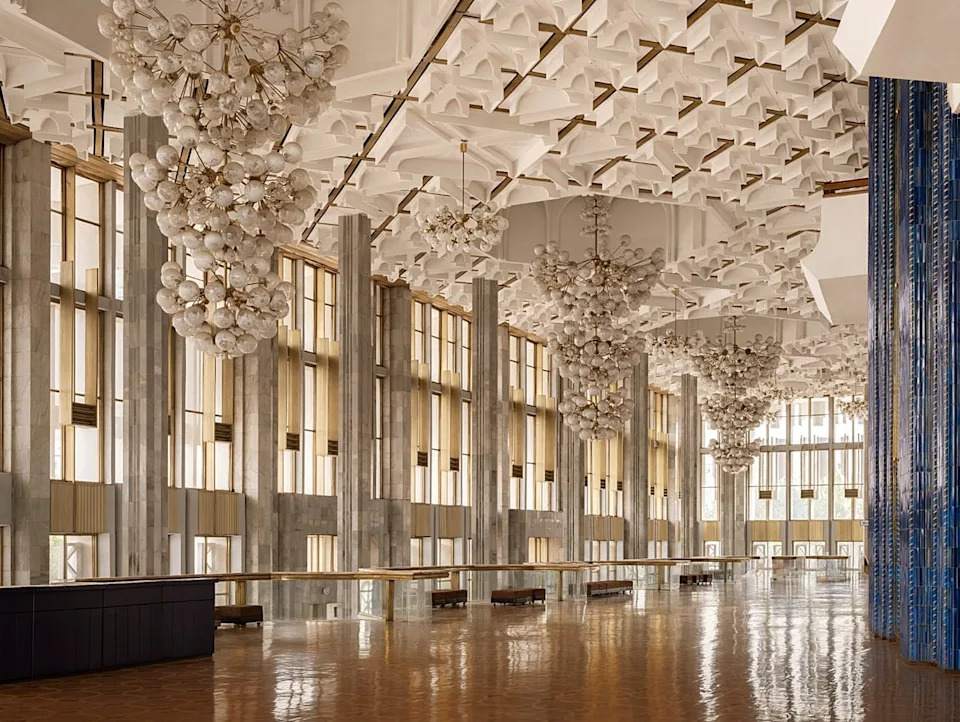
Peoples' Friendship Palace - Uzbekistan Art and Culture Development Foundation
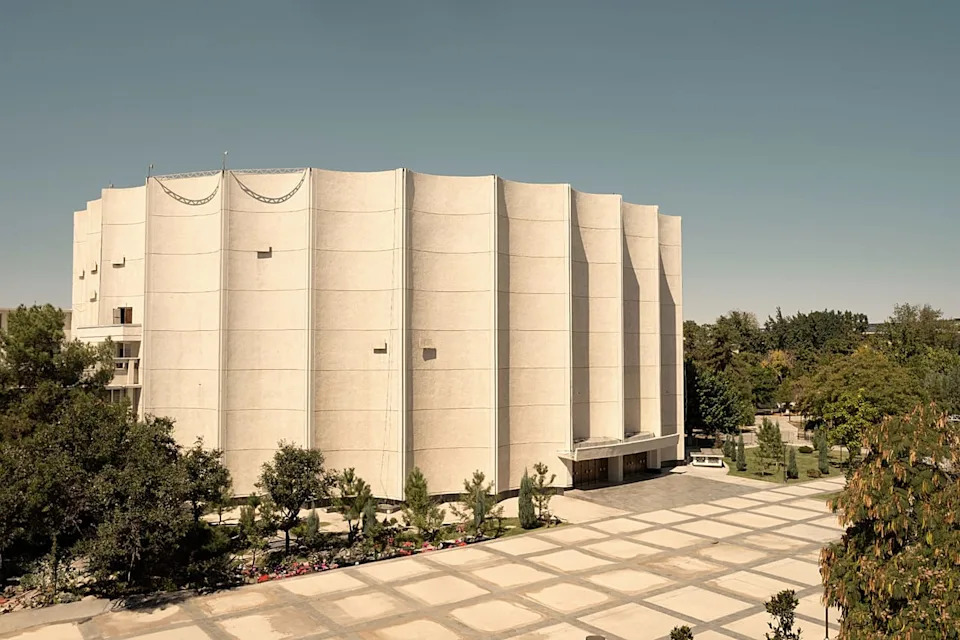
Alisher Navoi Cinema Palace - Uzbekistan Art and Culture Development Foundation
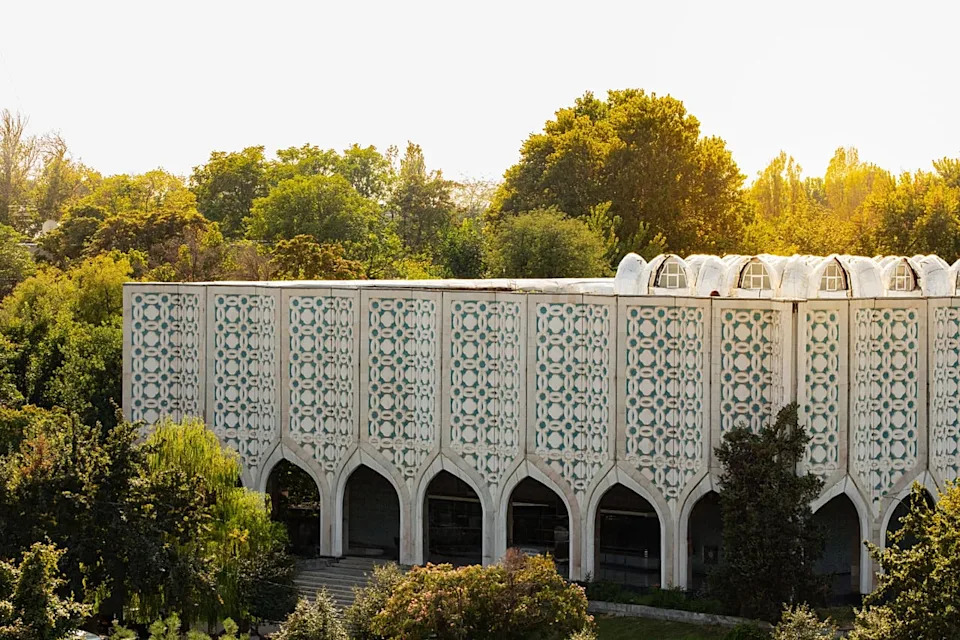
Central Exhibition Hall of the Academy of Arts - Uzbekistan Art and Culture Development Foundation
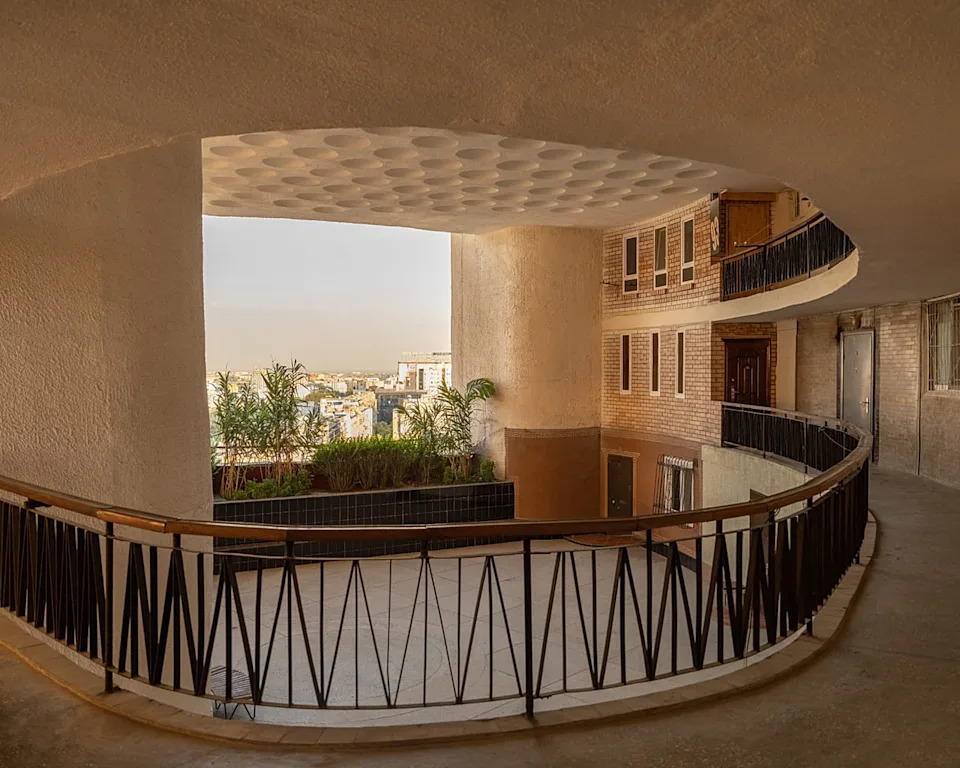
"Pearl" Residential Building - Uzbekistan Art and Culture Development Foundation
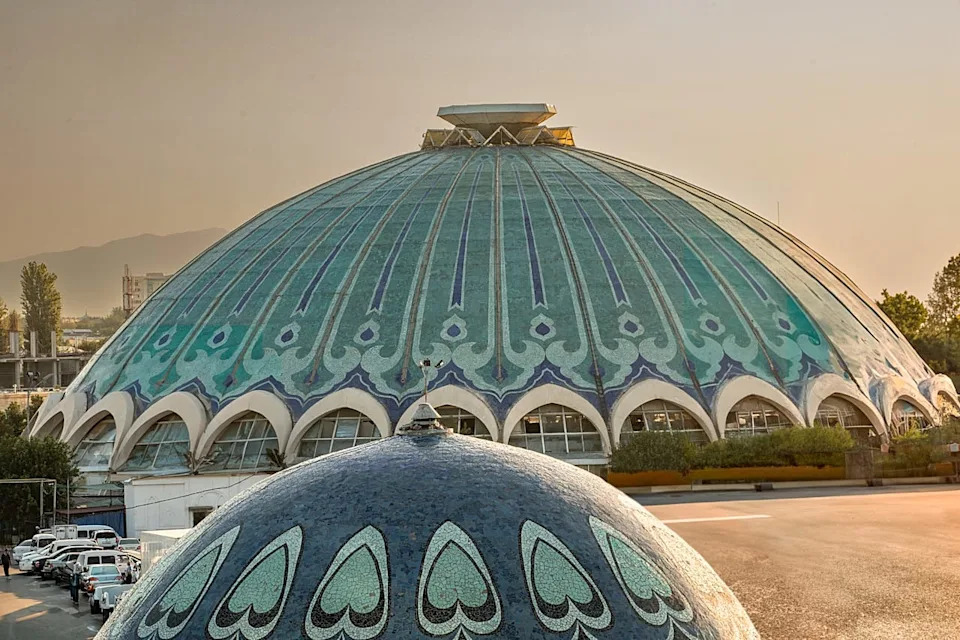
Chorsu Market - Uzbekistan Art and Culture Development Foundation
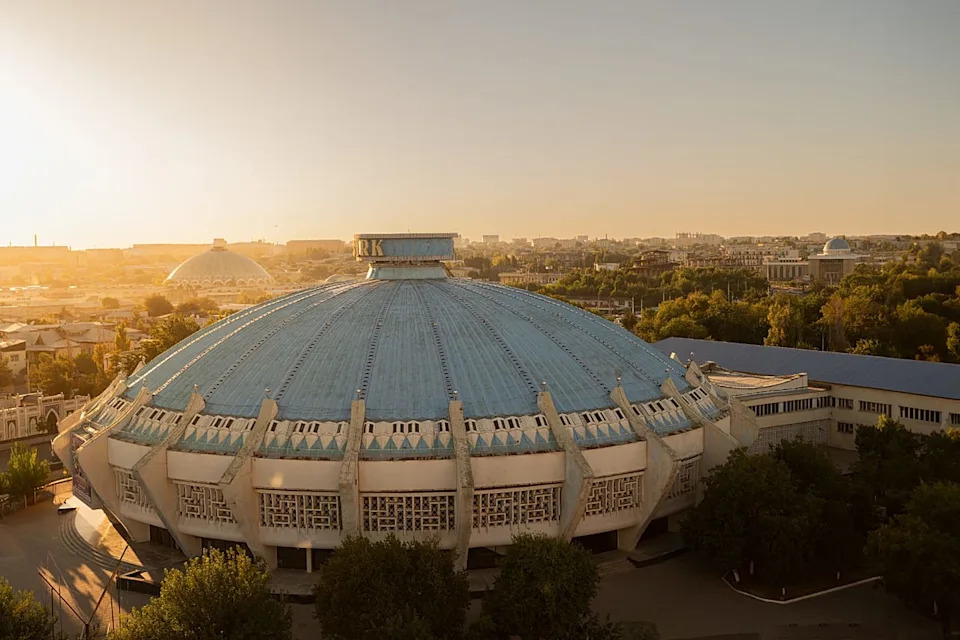
State Circus - Uzbekistan Art and Culture Development Foundation
Help us improve.