Authorities are searching the waters off Ceuta after a mass arrival of migrants from Morocco. So far, 67 bodies have been recovered and a temporary facility for up to 200 bodies is being prepared. Around 50,000 migrants entered Ceuta within days; most reportedly returned but EU leaders criticized Madrid. Spain is installing buoys to block a sea route linked to a Spanish Supreme Court ruling on asylum assessments.
Search Continues Off Ceuta After Mass Influx: 67 Bodies Recovered, Temporary Morgue Readied
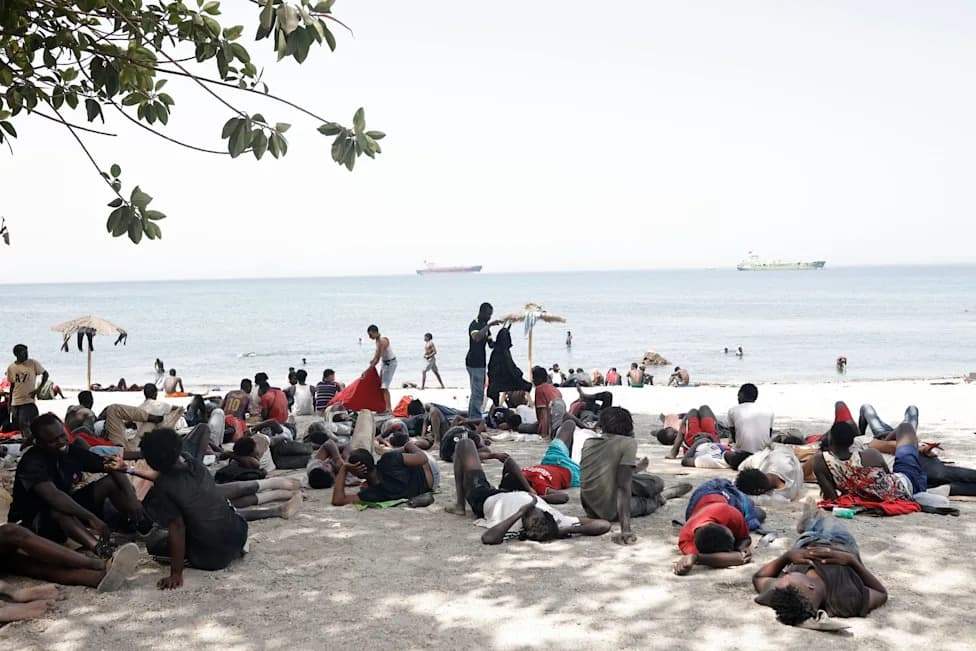
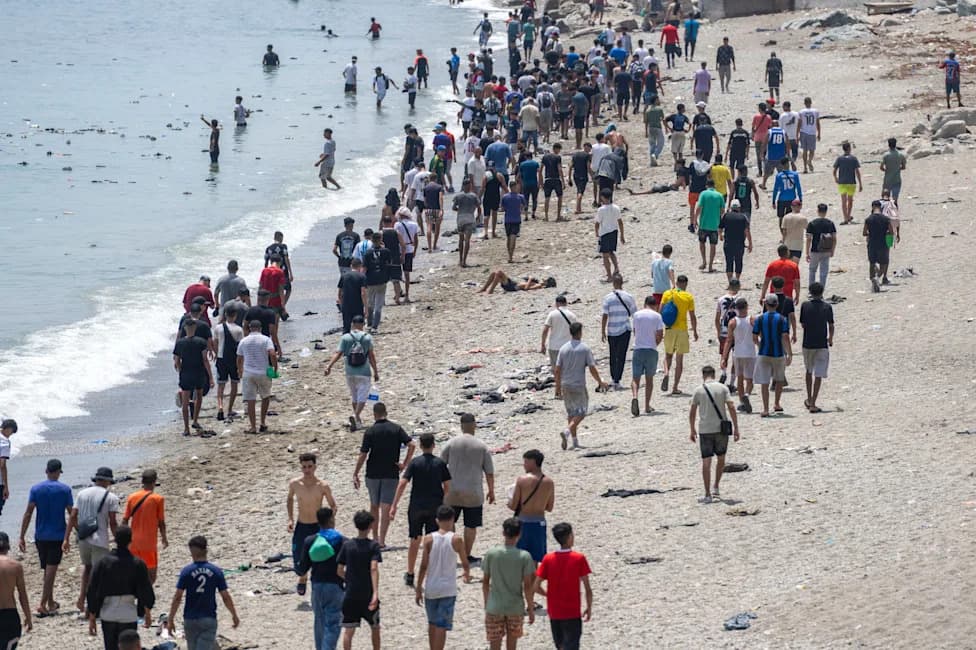
Migrants sit on the beach in Ceuta. Migrants who have managed to swim to the Spanish exclave in recent days are returning of their own accord to the Moroccan side, to the town of Castillejos. (is associated with: «Search for further bodies continues off the coast of Ceuta») Jesús Torres/EUROPA PRESS/dpa
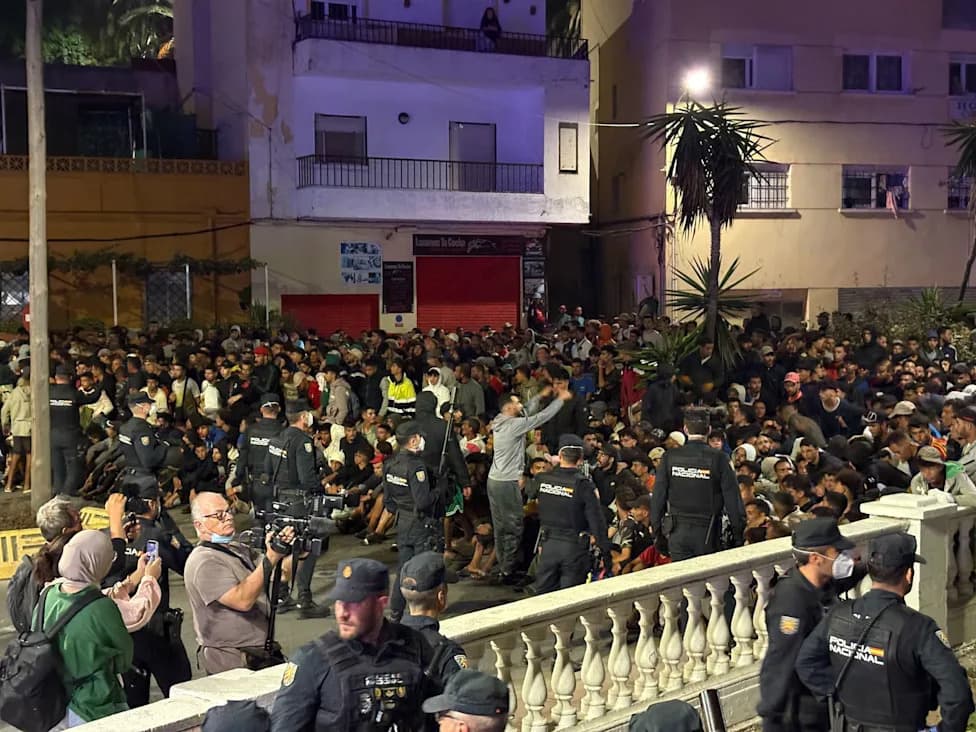
Authorities continue searching the waters off the Spanish exclave of Ceuta for people who may have drowned during a rapid influx of migrants from nearby Morocco. Spanish state broadcaster RTVE reported on Sunday that the Guardia Civil is combing the sea after dozens of deaths were discovered.
Recovered Bodies and Preparations
So far, authorities have recovered 67 bodies from the water. Local officials are preparing a temporary facility that could accommodate up to 200 bodies as part of the response to the crisis.
"There are more dead in the sea," an anonymous police officer told El País.
Scale of the Influx and Immediate Response
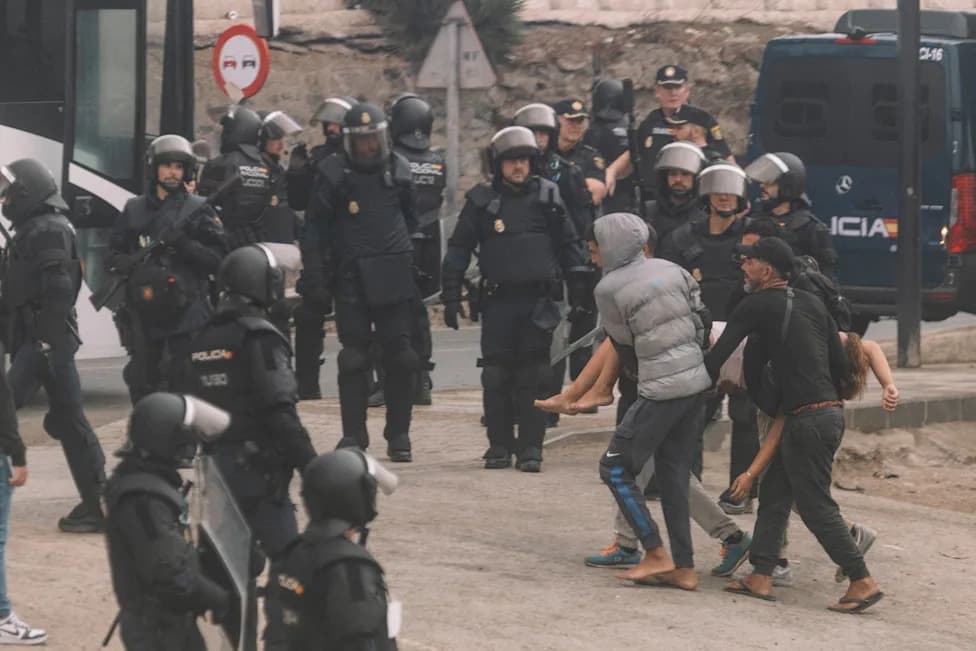
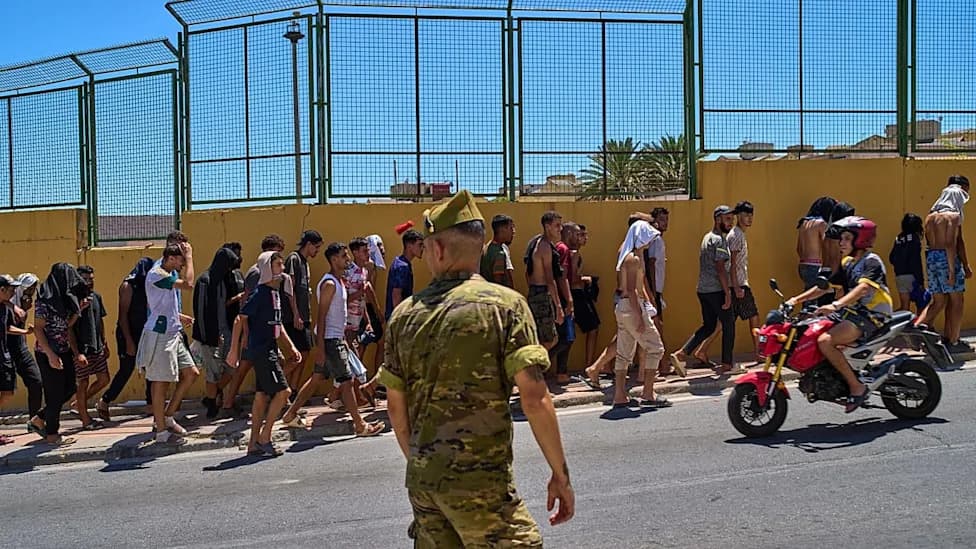
By Friday, an estimated 50,000 migrants had entered Ceuta from Morocco, swelling the population of the territory—normally around 85,000 residents—within just a few days. Spanish authorities say most of the migrants have since returned voluntarily to Morocco, while many European Union leaders have publicly criticized the left-wing government in Madrid for its handling of the situation.
Measures At Sea
Television footage on Sunday showed calm conditions off the coast. An RTVE reporter said there were no active sea crossings at the time; some workers were visible installing buoys to form a physical barrier. Spanish officials say the barrier is intended to close a gap created by a Spanish Supreme Court ruling that requires individuals who cross irregularly via an unfortified section—such as by sea—to be given an individual asylum assessment.
The situation remains sensitive and fluid. Authorities stressed the priority is to recover missing people, provide respectful care for the deceased, and manage the humanitarian and legal challenges arising from the mass arrival.
Help us improve.