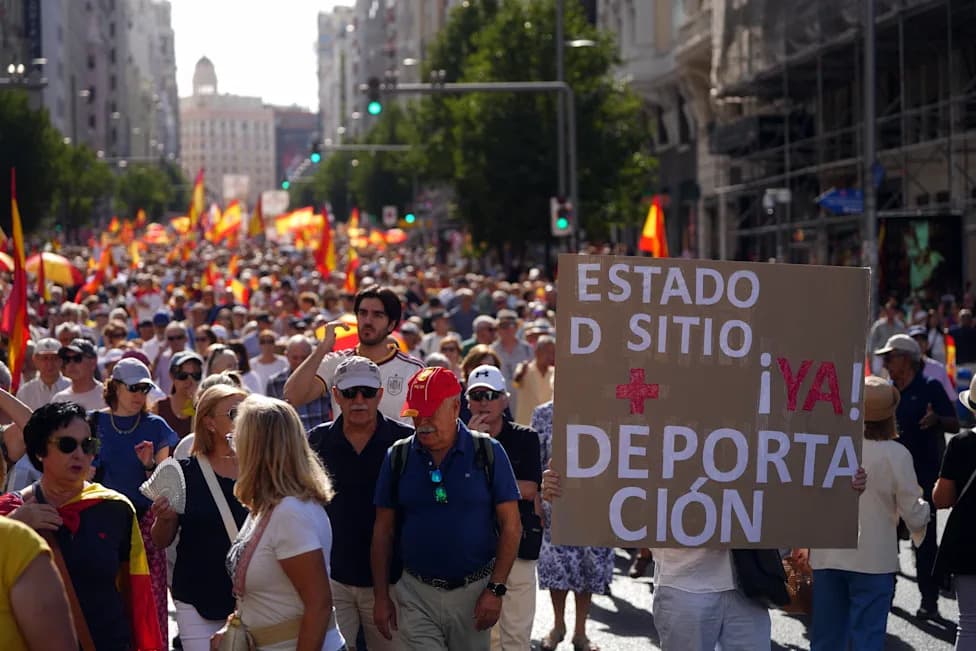
The mass sea crossings into Ceuta on 30 July — involving tens of thousands of people and resulting in at least 67 deaths — sparked a diplomatic and political storm across Europe. Viral social media posts claiming an "open" route to Spain appear to have encouraged many to attempt the crossing, though promises proved false. The incident provoked criticism of Spain from some EU partners, led to urgent interior minister talks and prompted Madrid to reinforce Ceuta's maritime defences.
Ceuta Crisis: Deadly Sea Crossings, Viral Posts and a Europe-Wide Political Storm
[Reuters]
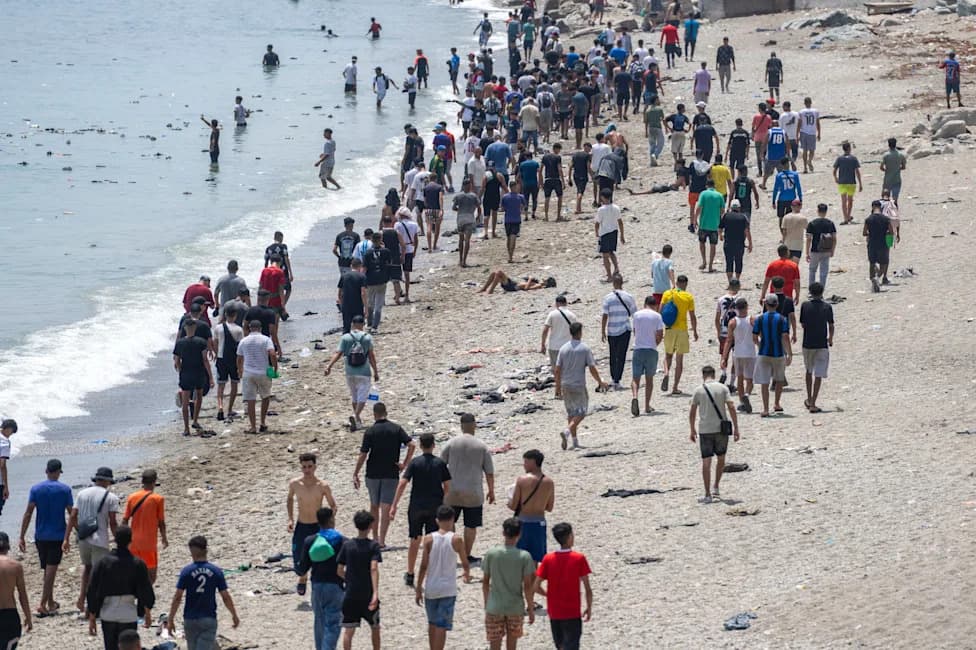
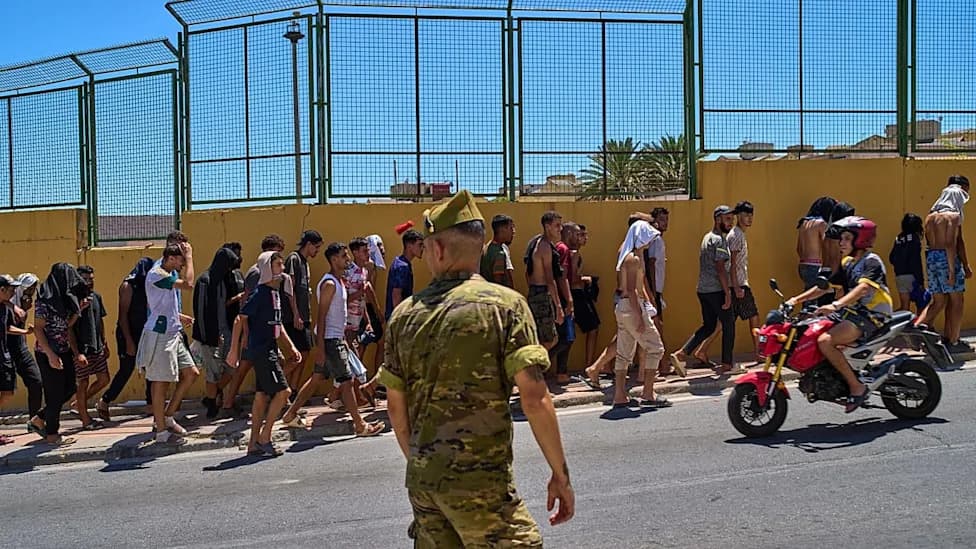
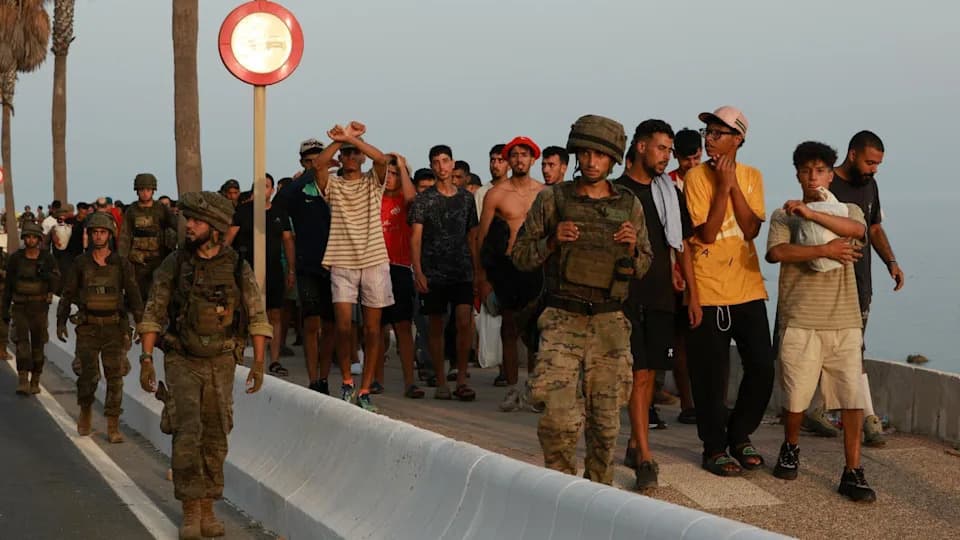
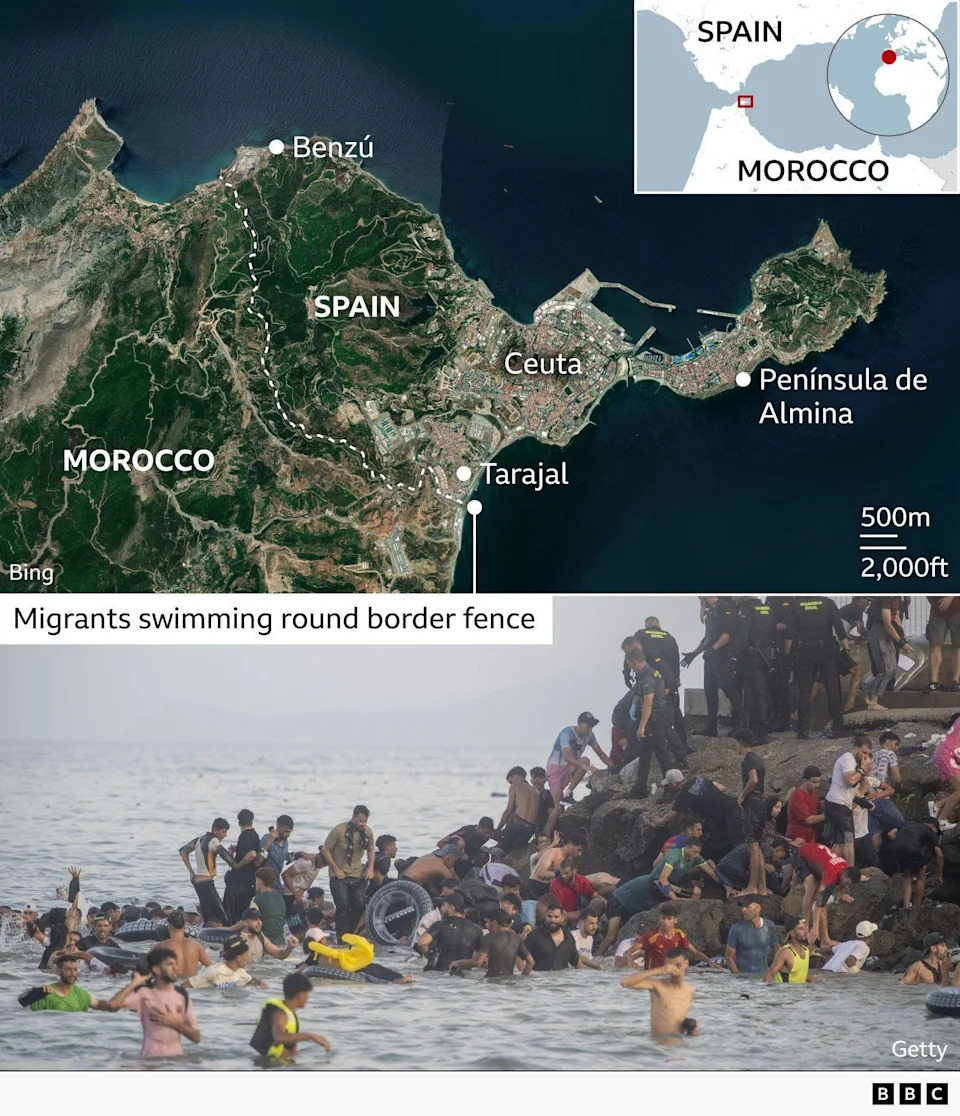
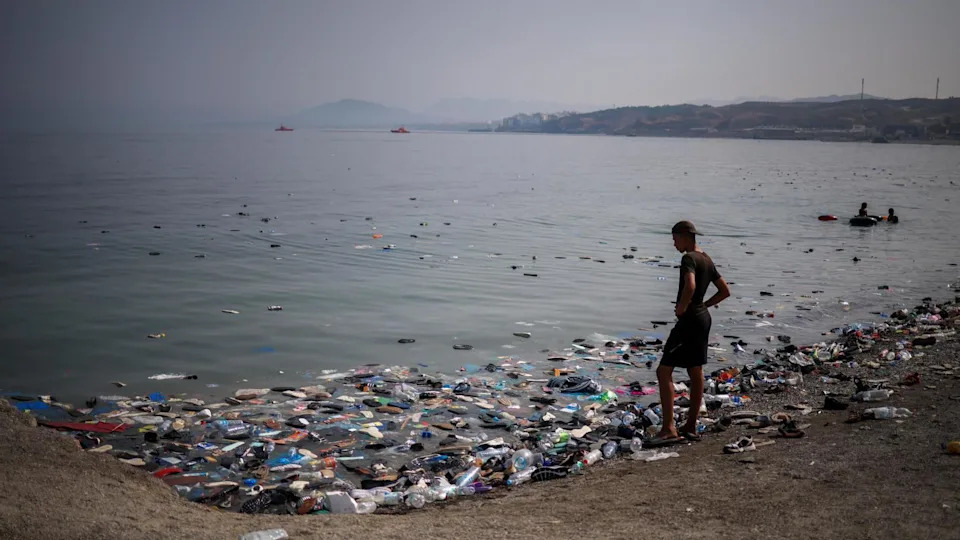
On 30 July, tens of thousands of people — estimated by some reports at around 60,000 — attempted to enter the Spanish enclave of Ceuta by sea. Most were eventually escorted back across the border into Morocco by Spanish soldiers and police, but the mass arrival had a tragic human cost: at least 67 people were found dead in the water, their bodies discovered amid abandoned rubber rings and flippers.
How It Unfolded
The sudden surge reverberated across Europe and reopened fierce debates over migration policy. While the immediate movement was contained in Ceuta — which lies outside the Schengen area — the episode exposed deep political fault lines between EU members about who bears responsibility and how to prevent similar rushes.
Role of Social Media and Messaging
Spanish officials and many journalists point to viral social media posts that appeared to promise an easy crossing. Reporters documented accounts — some newly created and rapidly popular — featuring young people in wetsuits and flippers, clips of people jumping into the water, and the slogan "Spain Is Open." Spanish leaders argue that smugglers and opportunistic actors misrepresented a recent Spanish Supreme Court ruling on pushbacks to suggest a guaranteed route into Europe. Whatever the intent, many of the promises were false, and those who reached shore often found no shelter, food or onward passage.
[BBC]
Diplomatic And Political Fallout
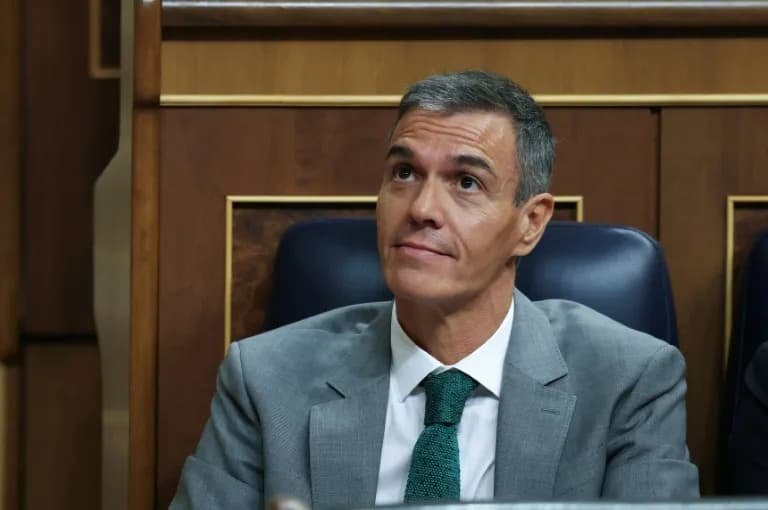
Madrid’s handling of the situation drew sharp criticism. Spain’s prime minister, Pedro Sánchez, accused some EU partners of politicising the crisis rather than offering solidarity — singling out Italy in particular. Italy’s Prime Minister Giorgia Meloni and her Fratelli d'Italia party posted dramatic images from Ceuta and announced temporary suspension of parts of the Schengen arrangements with Spain, framing the situation as a security threat and prompting an urgent meeting of EU interior ministers.
Nearly two dozen European leaders supported a call to reassess policies seen as potential "pull factors," including Spain’s recent regularisation programme that allows undocumented migrants to apply for residence and work permits. Madrid defends the scheme as pragmatic, citing an ageing population and labour needs.
International Reactions
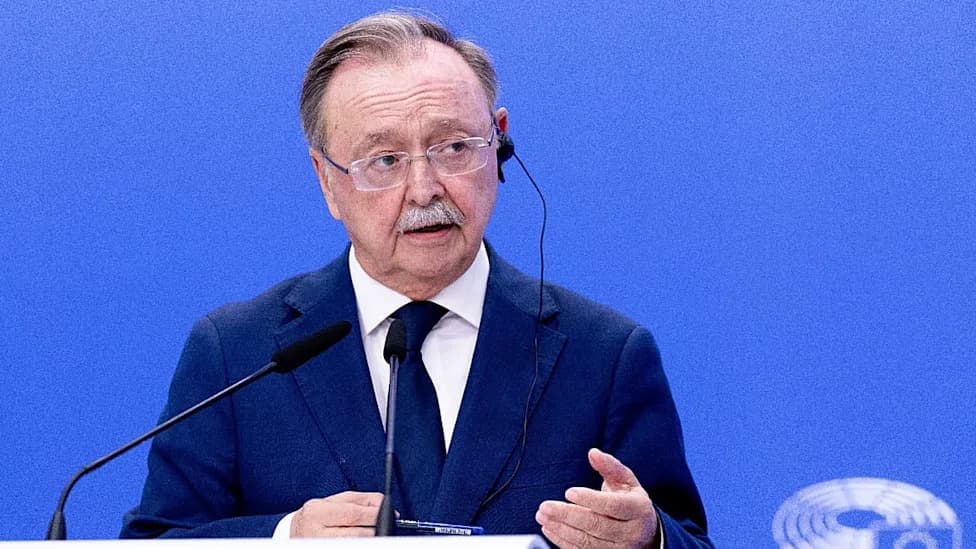
“This is a diplomatic headache for Madrid, and a political opportunity for critics,”
Global responses ranged from alarmist rhetoric to strategic glee. Former U.S. President Donald Trump described the episode in stark terms, while commentators noted that Russia — which benefits from European division — appeared to welcome the discord. Morocco blamed "criminal organisations" for facilitating the movements, though questions remain about what Moroccan authorities observed as crowds gathered near the border.
[Reuters]
Measures To Prevent A Repeat
Spanish authorities moved quickly to bolster Ceuta’s maritime defences, extending the border fence into the sea and installing long lines of orange buoys patrolled by vessels to deter swimmers. EU interior ministers are due to discuss strengthened external border measures, and Italy announced temporary document checks on travellers arriving from Spain. Still, many observers warn that short-term security steps will not resolve the underlying political and humanitarian tensions.
Human Toll And Broader Implications
Beyond diplomatic rows, the crisis left dozens of families grieving. Young people who followed viral messages hoping for a new start found themselves returned to Morocco — and in the worst cases, buried at sea. The Ceuta surge has become a flashpoint for broader debates about migration, the power of social media to amplify dangerous narratives, and how democracies balance humanitarian responsibilities with border control.
Key facts: the surge occurred on 30 July; authorities estimate tens of thousands attempted the crossing; at least 67 deaths were recorded; most arrivals were escorted back to Morocco; and the incident triggered urgent EU talks and temporary Schengen-related measures between Italy and Spain.
Help us improve.