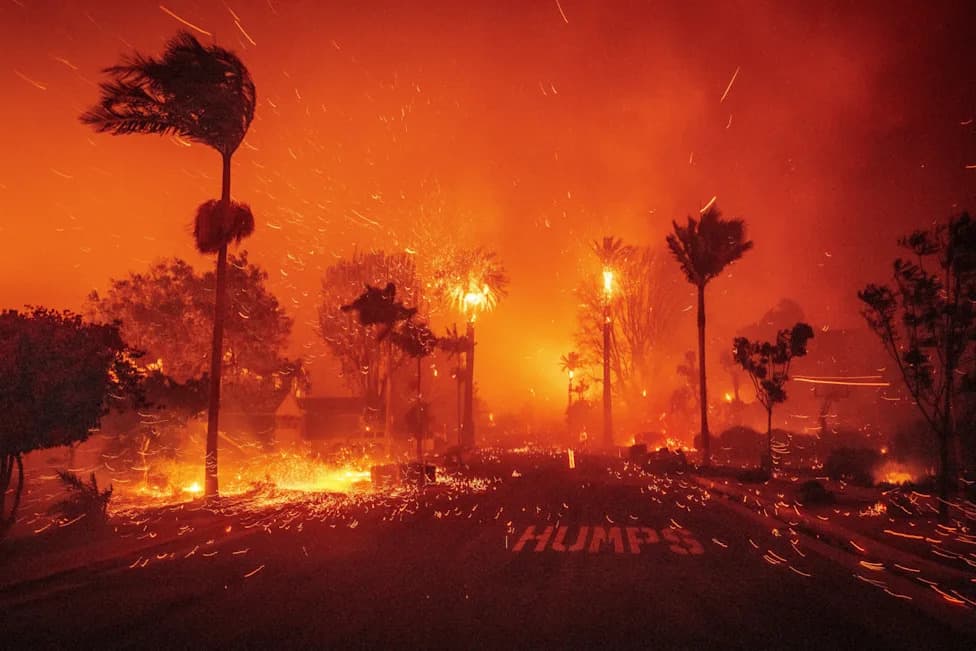
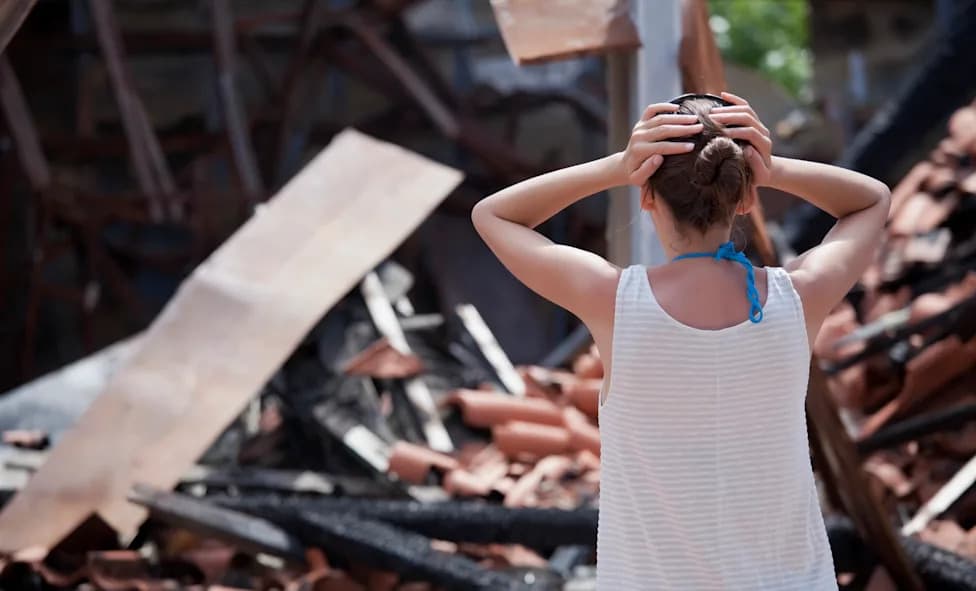
The Palisades Fire exposed a harsh arithmetic: reconstruction costs, permitting delays and widespread underinsurance are forcing many Malibu homeowners to sell rather than rebuild. Even with streamlined approvals, insurance shortfalls and modern building requirements leave multimillion-dollar gaps that few families can cover. As a result, many properties are likely to be redeveloped and owned by wealthier newcomers, changing Malibu's ownership for generations.
Malibu After the Palisades Fire: How Rebuilding Math Is Reshaping Ownership
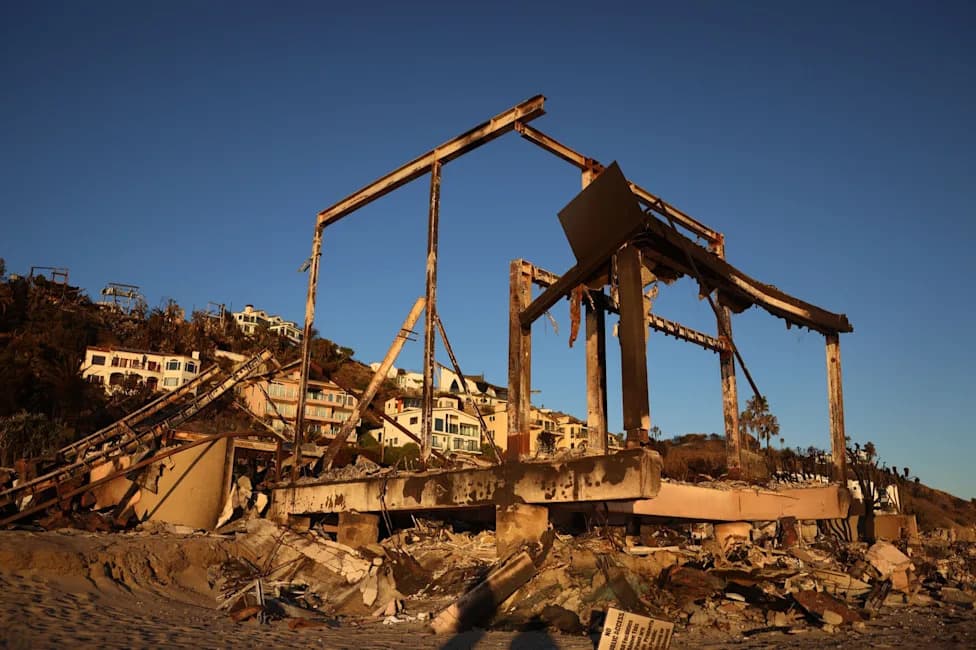
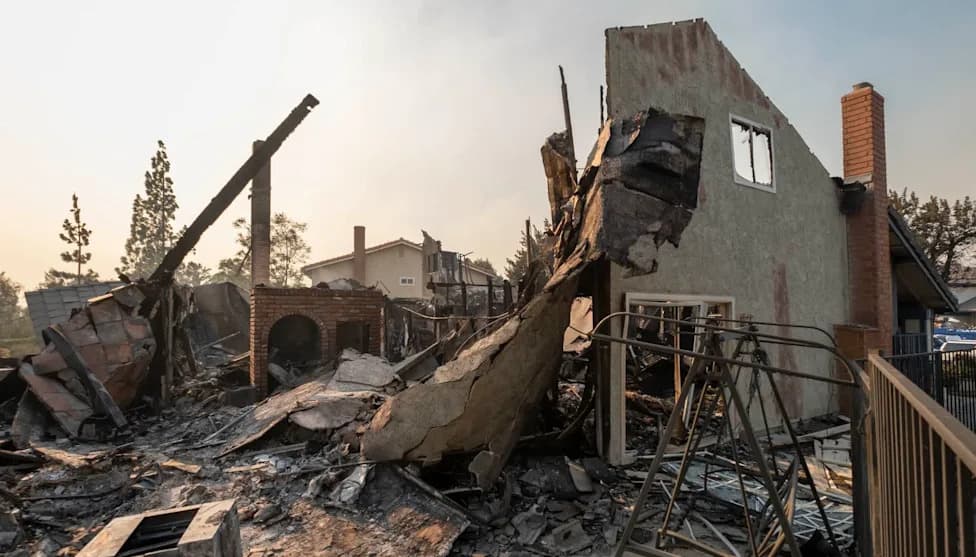
Ryan O'Neal's destroyed home on La Costa beach Malibu just one of the many thousands of structures consumed by the Palisades fire. NY Post reporter Dana Kennedy is seen surveying...
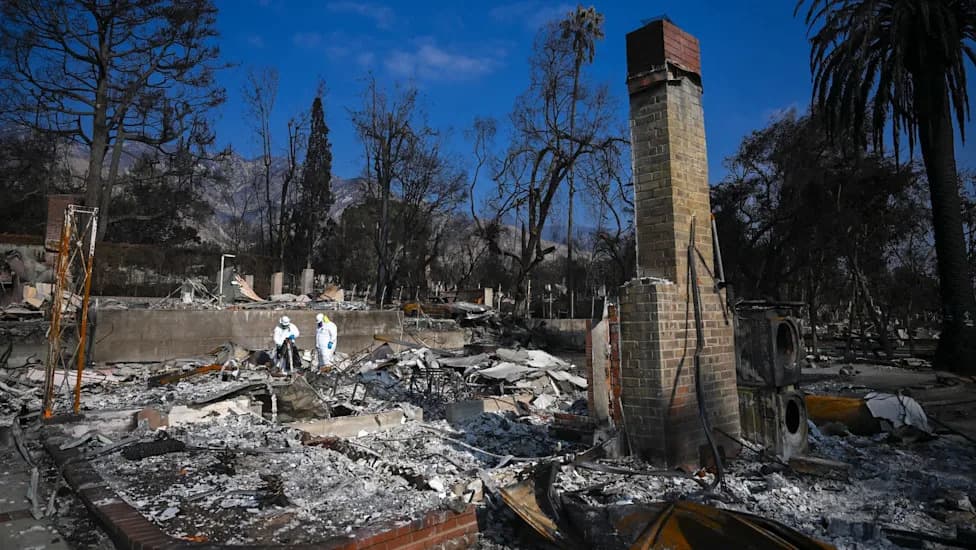
The Palisades Fire did more than turn houses to ash; it set in motion financial forces that will reshape who owns Malibu for years to come. Driving the Pacific Coast Highway today, the damage is unmistakable: charred foundations, empty lots and construction sites ringed by reminders of what was lost.
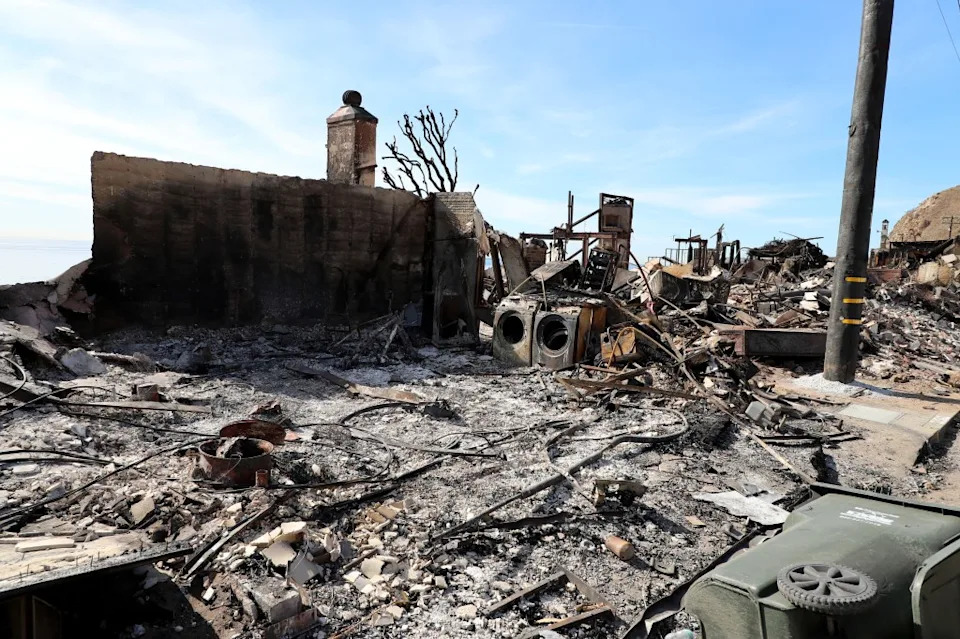
The Palisades Fire didn't just destroy Malibu homes. It is quietly changing who will own Malibu for generations to come. David Buchan for New York Post
Delay, Cost and Uncertainty
It is easy to blame government delay—and that criticism has merit. Permitting backlog, overlapping agency reviews and bureaucratic hurdles have slowed recoveries and raised the price of rebuilding. But the deeper story is arithmetic: for many homeowners, the numbers simply no longer work.
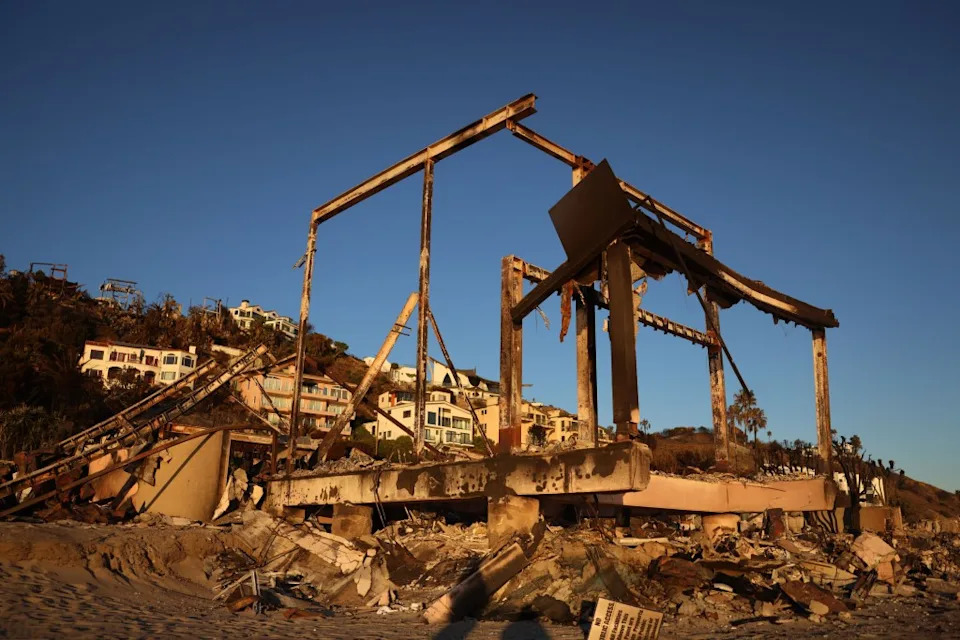
Government has plenty to answer for. Toby Canham for NY Post
Waiting is expensive. Owners still pay property taxes on vacant lots, incur ongoing carrying costs, hire specialists for surveys and reports, and arrange temporary housing while construction prices rise. Each month of delay increases both cost and uncertainty: will the final bill be another $500,000 or another $2 million?
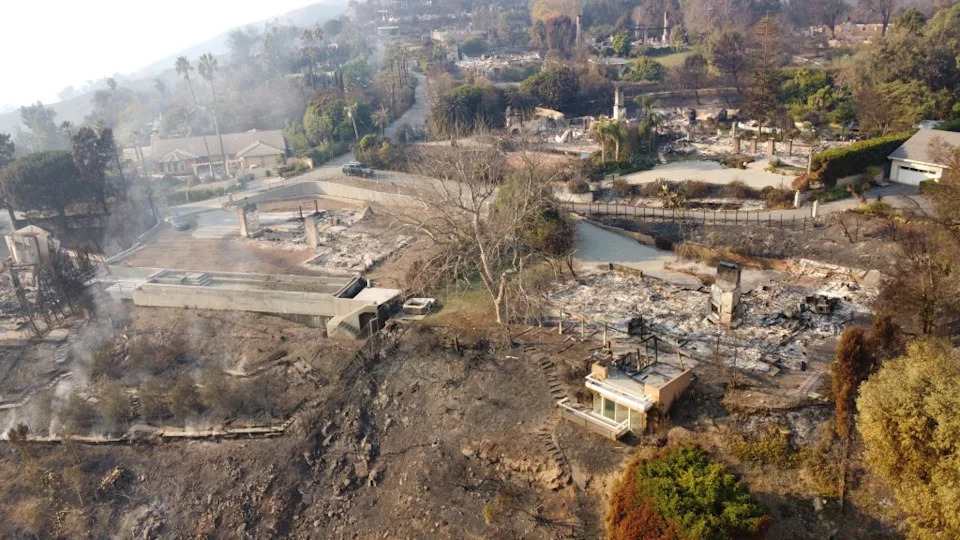
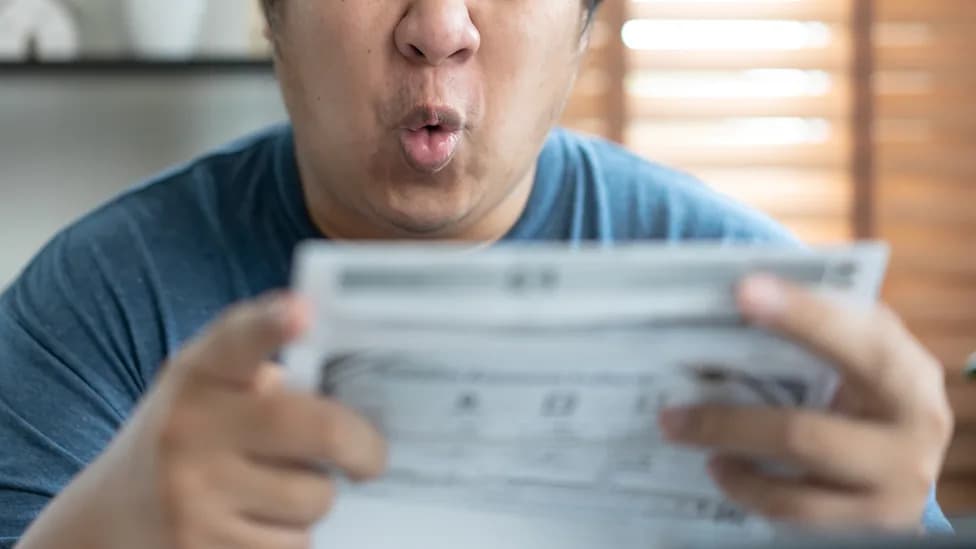
They may be wealthy on paper. But many were house-rich and cash-poor. Owning an $8 million property doesn't mean having another $4 million available to rebuild it. London Entertainment for NY Post
Engineering, Codes and Shoreline Challenges
Rebuilding along the coast is complex. Structural, civil and geotechnical engineering, septic upgrades, seawall considerations, utility relocation and access from Pacific Coast Highway all add time and money. According to reporting cited by the Post, only 61 homes are currently being rebuilt out of more than 1,000 permits tied to fire damage, repairs, debris removal and structures—a sign that many owners are choosing to sell rather than rebuild.
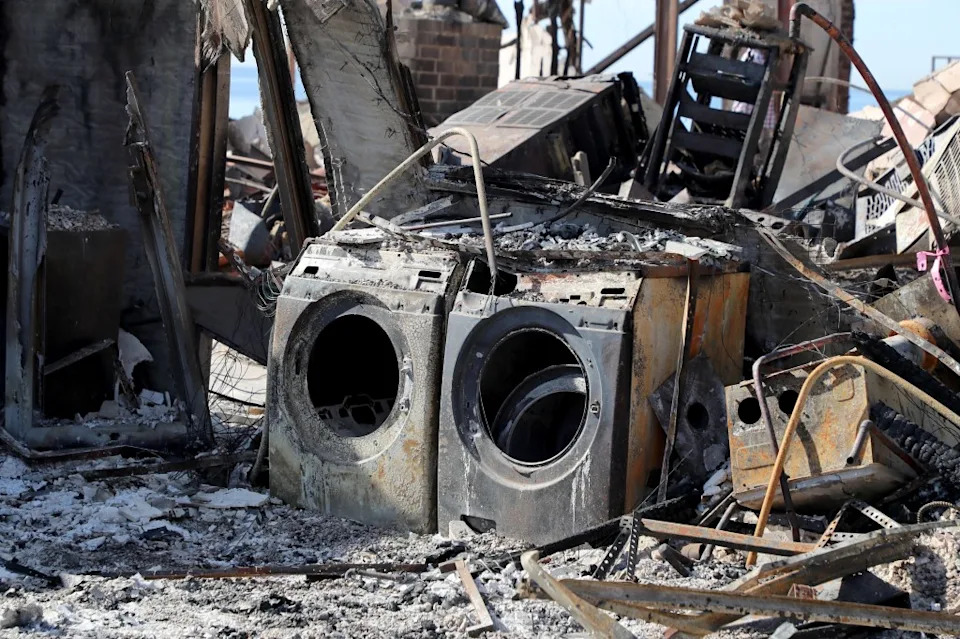
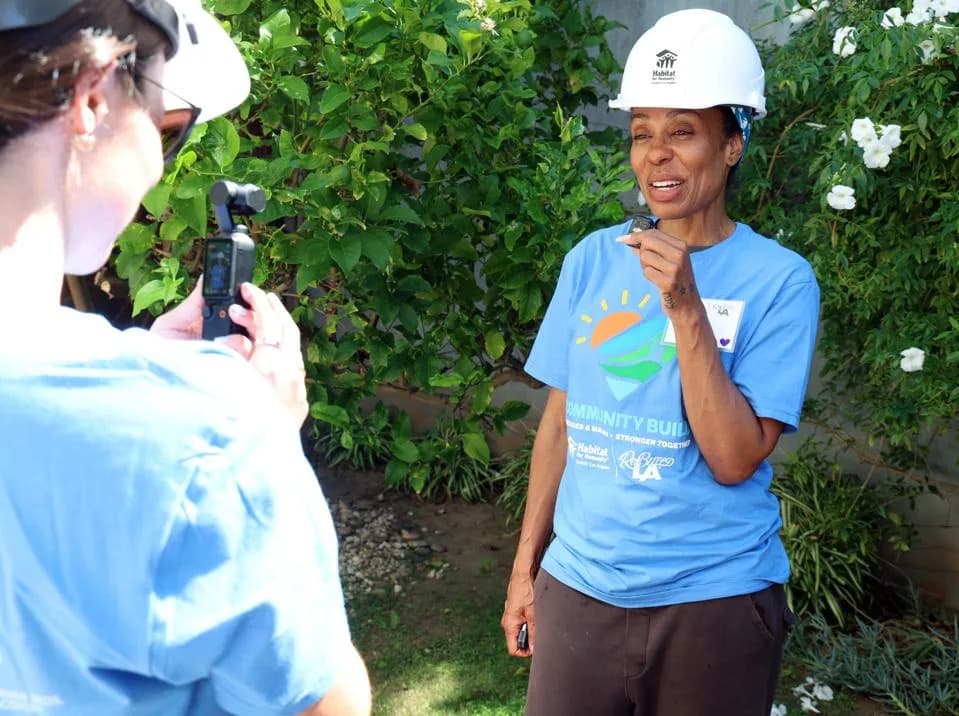
The homes that return will stand on the same lots overlooking the same Pacific Ocean. But many will belong to different families than the ones who watched them burn. David Buchan for New York Post
Insurance Shortfalls and Market Retreat
For years, private insurers have retreated from wildfire-prone areas. Many policyholders were pushed into the California FAIR Plan or bought coverage that now proves inadequate. Replacement costs today—driven by modern building codes, engineering requirements and coastal-specific work—can be millions higher than policy limits. Homeowners who thought they were protected discovered after the fire that they were underinsured by large margins.
Insurers are bound by policy limits, and there is little realistic prospect of a federal bailout that would close multimillion-dollar gaps between payouts and actual rebuild costs. Government cannot print the missing equity; insurers cannot be forced to pay beyond contracts. That leaves many owners with a stark choice: secure several million dollars more to rebuild, or sell.
Who Can Return?
Selling in this context is not surrender; for many it is practical and rational. Many affected homeowners are house-rich and cash-poor—owning multimillion-dollar property on paper without liquid capital to rebuild it. The likely result: many lots will be redeveloped, but under different ownership. The next generation of Malibu homeowners will tend to share two traits: they will be wealthy, and they will be new to town.
No one designed this outcome. It is the predictable collision of a natural disaster, an underinsured community, soaring rebuilding costs and a regulatory system that adds delay at nearly every step.
Malibu will recover. Restaurants will reopen and homes will return to the coastline. But the city's ownership map will change—driven not by love of place but by who can afford what comes next.
Jon Fleischman, a longtime strategist in California politics, wrote this analysis at SoDoesItMatter.com.
Help us improve.