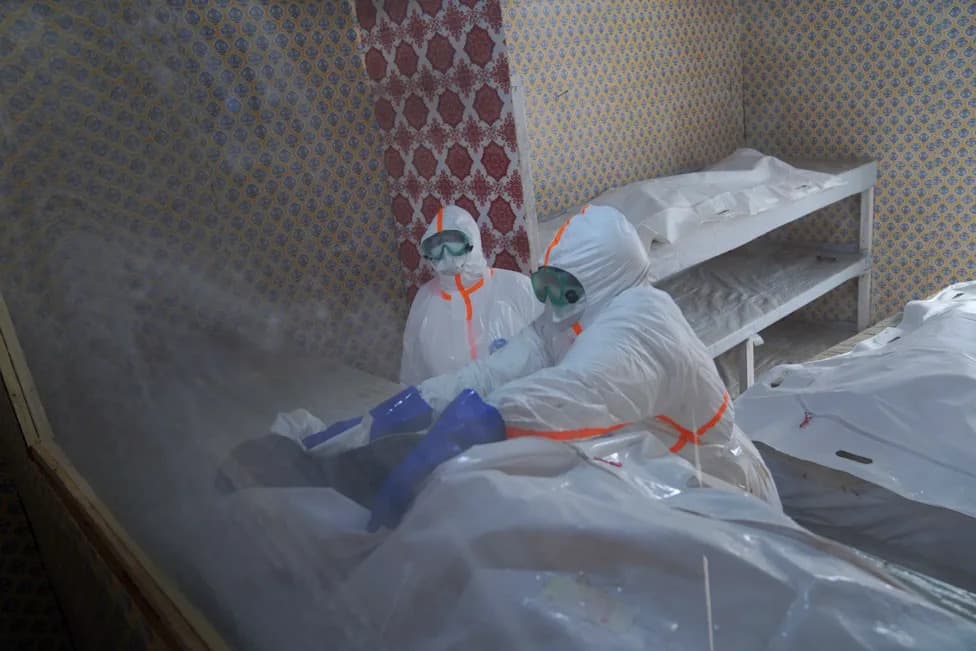
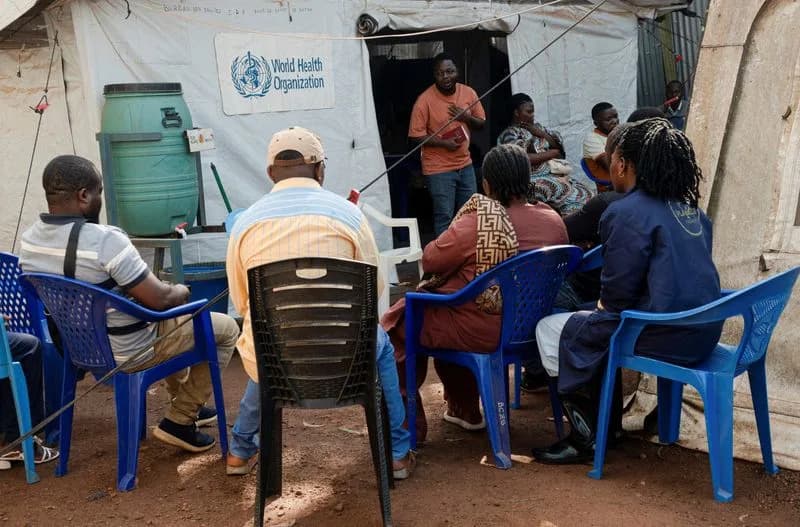
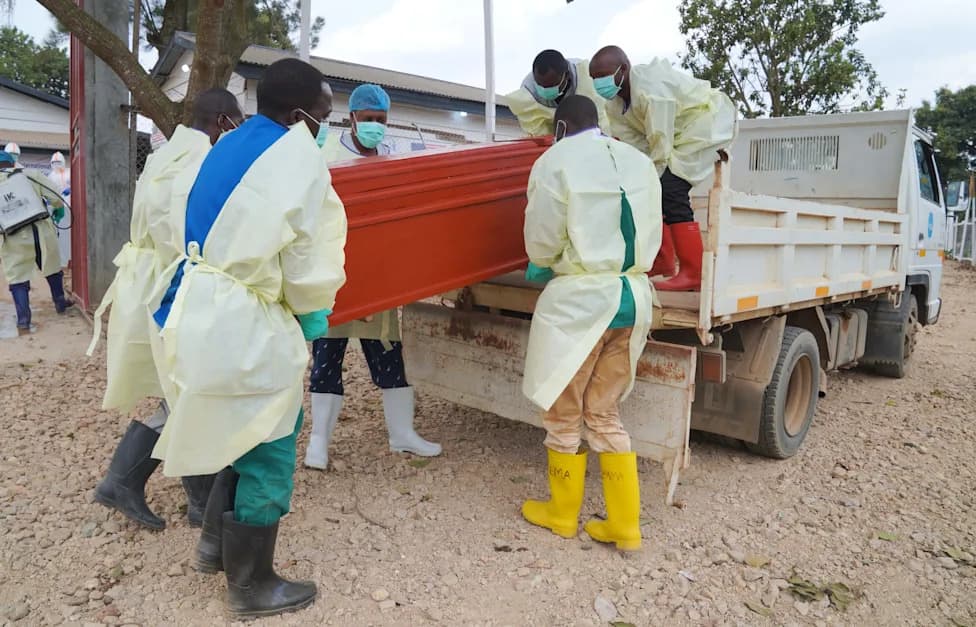
Virunga National Park has expanded health screening and surveillance across a 300 km protected corridor to protect communities and endangered mountain gorillas amid the eastern DRC Ebola outbreak. The park set up six checkpoints and deployed 40 paramedics and 80 rangers for an initial six-month emergency response, reporting screening data directly to national health authorities. Conservationists emphasize a One Health strategy to prevent human-to-animal transmission and continue close monitoring of gorilla health.
Virunga National Park Ramps Up Ebola Defenses to Protect Communities and Endangered Mountain Gorillas
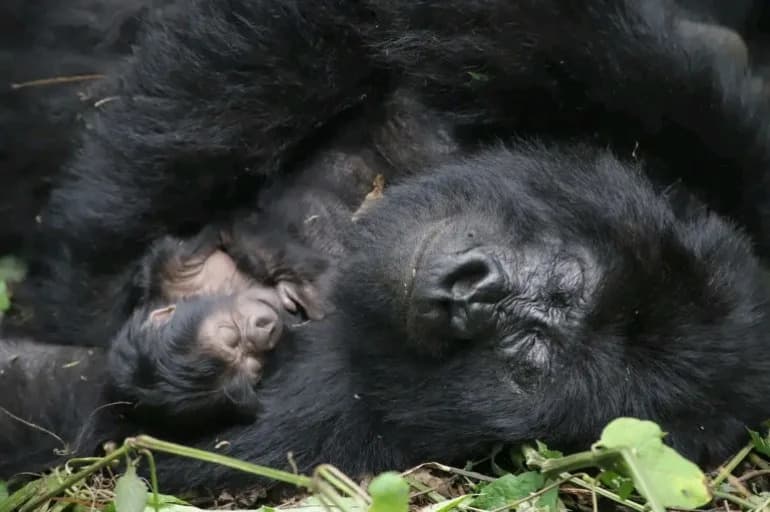
Mountain gorillas in Virunga National Park [Courtesy of Virunga National Park]
Bunia, Democratic Republic of the Congo — As new Ebola cases emerge in eastern DRC, Virunga National Park, Africa's oldest protected area, has intensified health and surveillance measures to shield local communities and the park's endangered mountain gorillas.
Checkpoint Network and Emergency Response
The park has established six health checkpoints along a roughly 300 km (186-mile) protected forest corridor. For an initial six-month emergency phase, Virunga deployed 40 paramedics and 80 rangers to staff the screening points and support public health efforts. Checkpoints provide handwashing stations, temperature screening, basic isolation facilities and immediate referral pathways to health authorities.
Park officials say two suspected human cases were identified at checkpoint screenings and sent to public health authorities for follow-up. All screening data are shared in real time with the Congolese National Institute of Public Health to enable rapid contact tracing and monitoring.
Protecting Mountain Gorillas
Mountain gorillas (Gorilla beringei beringei) are among Virunga's most emblematic species. The Greater Virunga Landscape — spanning parts of the DRC, Rwanda and Uganda — is estimated to hold just over 1,000 mountain gorillas. Because gorillas share a large percentage of their DNA with humans, they are susceptible to many of the same infectious diseases, including Ebola and respiratory illnesses.
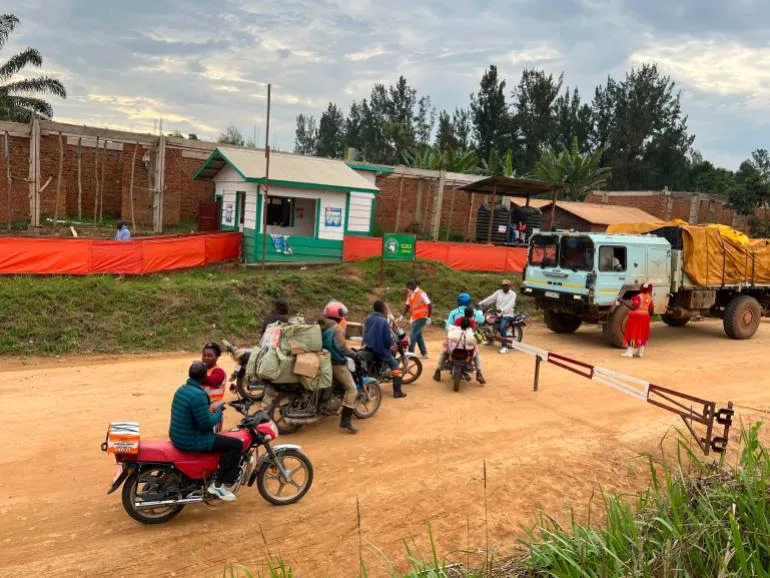
Motorbike riders have their temperatures checked by a Virunga National Park health agent at an Ebola screening checkpoint in northern Bunia, Democratic Republic of the Congo [Prosper Heri Ngorora/Al Jazeera]
Conservation veterinarians and park teams follow a One Health approach that links human, animal and environmental health. Regular health monitoring of gorilla groups, strict visitor screening, and preventive measures focused on people aim to reduce the risk of human-to-animal transmission. To date, no mountain gorilla in Virunga or elsewhere in the DRC has been confirmed infected with Ebola, though outbreaks elsewhere in Central Africa have caused catastrophic ape mortality.
Context, Cooperation and Capacity Building
The World Health Organization declared the Ebola situation affecting the DRC and neighbouring Uganda a Public Health Emergency of International Concern in May. Virunga previously supported response efforts during the 2018–2020 outbreak, which killed nearly 2,300 people in North Kivu and Ituri provinces. Park leadership says that the protected forest corridor helped limit the southward and eastward spread of that outbreak.
Virunga — a UNESCO World Heritage Site since 1980 — operates in a region long affected by armed conflict. More than 800 rangers guard the park and work alongside health agencies and international partners to strengthen surveillance, logistics and protective equipment supplies in local health services.
“Protected areas such as Virunga act as natural barriers and can help limit movement of potential cases,” said Emmanuel de Merode, the park's director-general. “But we are only one part of a broader response led by Congolese health authorities.”
Park and conservation teams say they will continue heightened screening, rapid reporting, contact tracing, and gorilla health monitoring to reduce the chance of transmission to both people and wildlife.
Help us improve.