The Government has designated the IRGC under the National Security (State Threats) Act 2026, but must go further to confront Iran’s quieter intelligence arm, the MOIS. The MOIS conducts covert repression, hack-and-leak campaigns and is accused of arranging abductions of dissidents. Press TV continues to stream inflammatory and anti-Semitic content despite losing its UK broadcast licence. The editorial urges immediate designation of MOIS and the Zindashti Network, sanctions on state media, and stronger powers for the Charity Commission to close Iranian front organisations.
Labour Must Shut Down Iran’s Covert Networks Operating in Britain
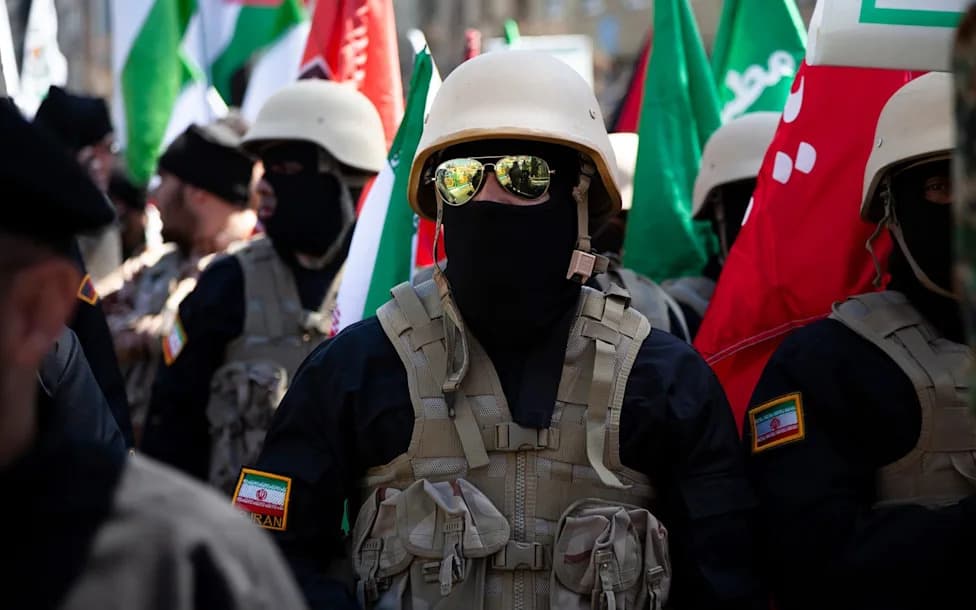
More can, and must, be done about the threat posed by Iran - saeediex/Shutterstock
The designation of Iran’s Islamic Revolutionary Guard Corps (IRGC) under the National Security (State Threats) Act 2026 was a necessary step. But it cannot be the last. The Government must now move decisively to disrupt Tehran’s wider intelligence and influence apparatus operating on British soil, including the Ministry of Intelligence and Security (MOIS) and associated networks.
Why MOIS Matters
The MOIS operates largely in the shadows. Unlike the IRGC—whose plots tend to be loud and conspicuous—the MOIS pursues covert repression: gathering intelligence overseas, running hack-and-leak campaigns (notably via groups such as Handala), and allegedly orchestrating abductions of dissidents by luring or moving them across borders for forced return to Iran.
Persistent Influence Operations
State-linked media such as Press TV have functioned as vehicles for influence and recruitment in the West. Although Press TV’s broadcast licence in the UK was revoked, it continues to reach audiences via internet streaming and has aired material that, by multiple accounts, includes extreme anti-Semitic and inflammatory content.
Serious And Immediate Threats
The context is severe. UK Jewish communities have suffered a wave of attacks; there have been attempted assassinations and cyber assaults on British soil; and reporting indicates the IRGC has used small boats to move agents and collaborators into the country. Given these threats, ministers should deploy every lawful tool to protect the public.
Legislation Is Only As Good As Enforcement
The National Security (State Threats) Act 2026 gives the Home Secretary enhanced powers, but the Government declined to close certain loopholes during its passage. Strong laws matter, but only when enforced robustly. Ministers must not repeat past hesitations shown in areas such as the Foreign Influence Registration Scheme; national security requires political will as much as statutory authority.
Practical Steps The Government Should Take
- Designate the MOIS and its proxies, including the Zindashti Network, under the powers used to proscribe the IRGC.
- Sanction Iranian state broadcasters still reaching UK audiences online, and disrupt their use as recruitment and influence channels.
- Empower the Charity Commission with clear authority to investigate and, where appropriate, close charities or community centres acting as state cut-outs—examples cited include the Islamic Centre of England and the Shia Asna Ashri Islamic Centre.
- Tighten enforcement of the new Act’s provisions and review any loopholes that could blunt its effect.
- Use intelligence proactively to protect vulnerable communities and to prevent abductions, cyber attacks and other malign activity.
If the Home Secretary has the evidence and the powers, she must now demonstrate the political will to act. The choice is stark: use the full toolkit of the state to neutralise covert Iranian operations in the UK, or risk allowing a dangerous and quiet campaign to continue unchecked.
Help us improve.