Professor Jason Arday has defended his academic record after plagiarism allegations were published by researcher Nathan Cofnas. Arday admits some errors but denies dishonesty, citing autism, early developmental delays, limited PhD supervision and financial constraints on proofreading as contributing factors. The dispute has split opinion: a Good Law Project petition has over 12,000 signatures backing Arday, while other academics say the allegations must be examined to protect research standards. Cambridge says investigations are handled by the institutions where the work was produced.
Cambridge Professor Jason Arday Defends Record As Plagiarism Claims Spark Debate Over Race, Neurodiversity and Academic Standards
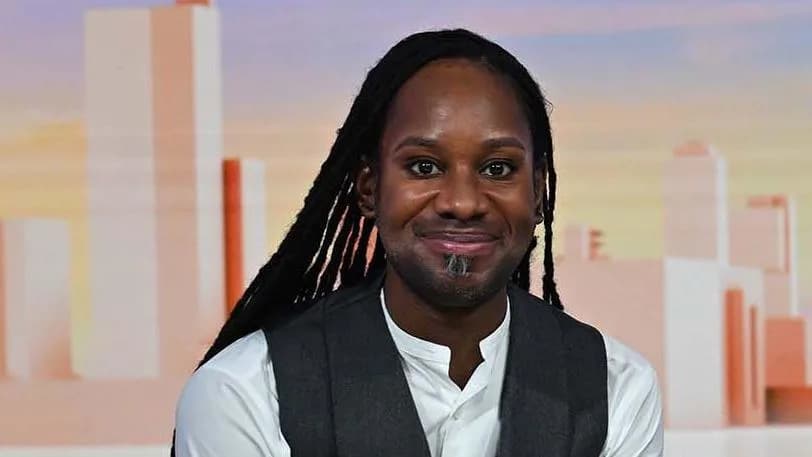
Prof Jason Arday said he was not a liar after accusations of plagiarism emerged [BBC]
A University of Cambridge professor, Jason Arday, has publicly defended his academic record after allegations of plagiarism and questions about some personal claims were raised by another researcher, Nathan Cofnas. The dispute has provoked a wider public and academic debate about research integrity, race, disability and how universities handle complaints.
The Allegations
Nathan Cofnas, a researcher who describes himself as a "race realist" and whose Cambridge college role ended in 2024 following controversy over his views, published claims that plagiarism-detection software flagged numerous passages in Prof Arday's work as closely matching earlier sources. Cofnas published excerpts he said showed verbatim or lightly rephrased material from other academic works. He also pointed to earlier concerns raised by a retired academic that prompted two journals to issue correction notices for some of Arday's articles.
Arday's Response
Prof Arday accepted that there were errors in parts of his work but rejected suggestions that he was dishonest. In an interview with The Times he said:
"I am accountable for those mistakes, but what I am not is a liar."He argued the scrutiny was concerted and racially motivated, saying he had become a "lightning rod" for criticism of diversity, equity and inclusion (DEI) efforts.
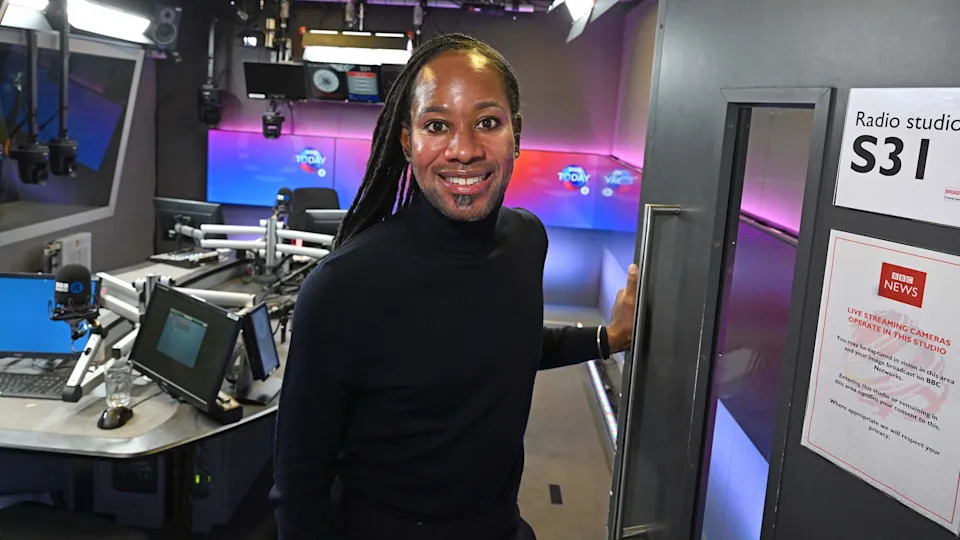
Prof Jason Arday was guest editor for the BBC's Today programme in 2023 - the year he became the university's youngest ever professor [BBC]
Arday has also explained that characteristics associated with his autism and early developmental delays—he says he did not speak until age 11 and could not read or write until 18—affected how he processed and reproduced information early in his career. He said limited PhD supervision and an inability to afford professional proofreading contributed to lapses in attribution and editing when he began publishing.
Contested Personal Claims
Cofnas additionally questioned several endurance and fundraising claims attributed to Arday, including reports that he ran 30 marathons in 35 days, ran 300 miles in three days, and completed 600 miles on a treadmill in six days. Arday told The Guardian that the £5m he related to fundraising was raised collaboratively over two decades and that non-disclosure agreements prevent him naming all contributors. He said the 600-mile treadmill challenge was completed over 12 days to allow rest, and that he stands by other running records.
Public And Academic Reactions
The controversy has drawn a range of responses. A petition organized by the Good Law Project in support of Arday has gathered more than 12,000 signatures, including public figures and several MPs. Supporters, including Black studies scholar Kehinde Andrews, have described the campaign against Arday as a smear and racially motivated.
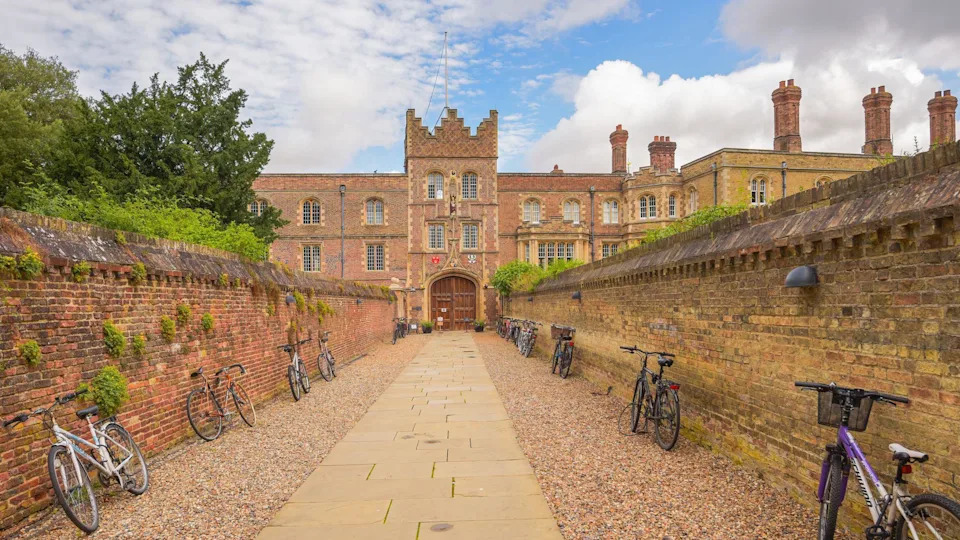
Arday, a fellow at Jesus College (pictured), became Cambridge's youngest black professor in 2023 [Getty Images]
Others emphasise the need to protect academic standards. John Preston, emeritus professor of sociology at the University of Essex, said there is "a case to answer" and urged transparent correction where mistakes are found. Simon Baron-Cohen, a cognitive neuroscientist and fellow at Trinity College, Cambridge, cautioned against what he called relentless targeting, stressing safeguarding concerns for a vulnerable autistic academic while also noting that plagiarism should be investigated to preserve standards.
Institutional Position
A Cambridge University spokesperson told the BBC the university treats allegations of academic misconduct "incredibly seriously" but that it is standard practice for investigations to be carried out by the institution where the research was produced. They said Liverpool John Moores University and the relevant journals have already investigated allegations relating to Arday's thesis and some publications.
What This Means
The incident highlights several intersecting issues in contemporary academia: how allegations of plagiarism are identified and adjudicated, the role of social and political motives in public academic disputes, and how neurodivergence and early educational disadvantage interact with academic career progression. As formal processes continue, the case is likely to remain a focal point for debate about fairness, accountability and inclusion in higher education.
Help us improve.