Researchers link a massive 7,500+ square mile die-off off South Australia to a bloom of the microalga Karenia cristata that produced potent brevetoxins. Laboratory tests show the species is highly toxic even at low cell concentrations and may be an order of magnitude more toxic than previously studied microalgae. First detected in March 2025, the cold-water bloom remains active, prompting concern that similar coastal regions could be at risk and underscoring the urgent need for monitoring and research.
‘Most Toxic’ Cold-Water Algal Bloom Off South Australia Kills Millions — Scientists Warn
‘Most Toxic’ Algae Bloom Ever Is Killing Millions Of Animals In Cold-Water Australia
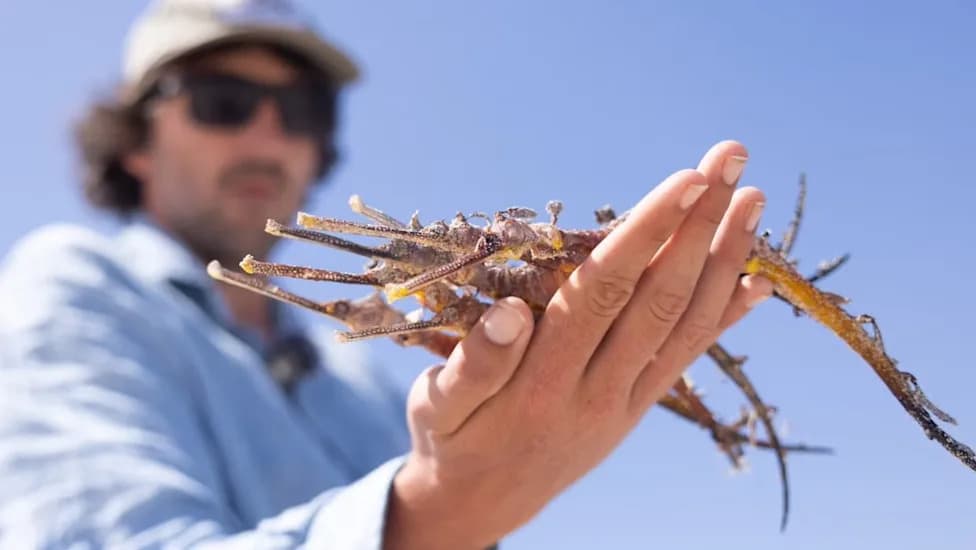
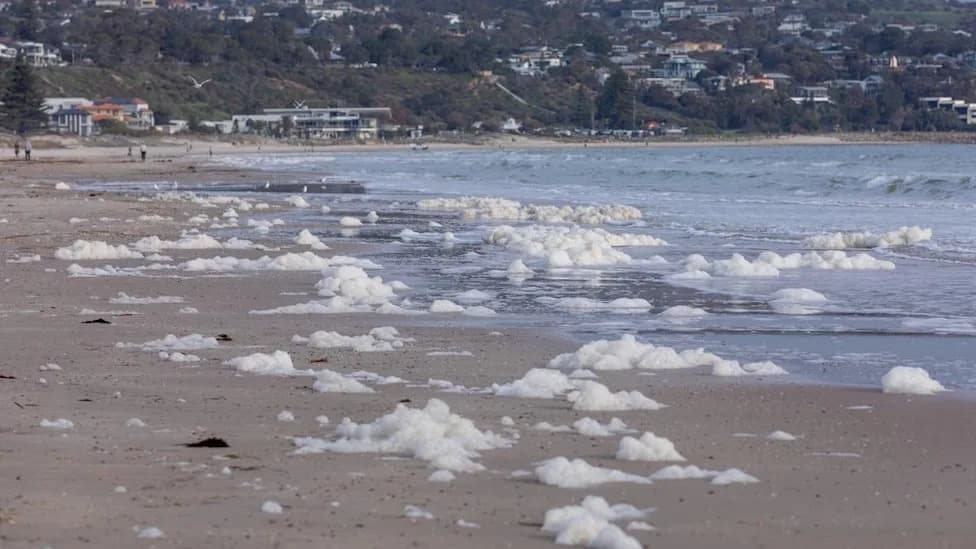
Last year a vast swath of ocean more than 7,500 square miles off the coast of South Australia experienced a catastrophic die-off that killed roughly one million marine animals in a single event, and nearby people reported unusual illnesses.
This summer, laboratory analyses and field studies point to a bloom of the microalga Karenia cristata as the primary cause. Researchers say the species produced potent neurotoxins known as brevetoxins (BTXs) and was highly toxic even at very low cell concentrations.
What Scientists Found
This can partly explain the scale of the impacts witnessed in this event, which have included the mass mortality of marine invertebrates, fish, mammals and birds, over many months,
— Professor Shauna Murray, University of Technology Sydney.
In lab experiments reported in Nature Ecology & Evolution, Murray and colleagues found that Karenia cristata is roughly an order of magnitude more toxic than the next most toxic microalgae previously studied. Chemical analyses identified substantial amounts of brevetoxins, the same family of neurotoxins associated with warm-water red tides caused by Karenia brevis in the southeastern United States, which have been linked to large marine mammal and sea turtle strandings.
Why This Is Alarming
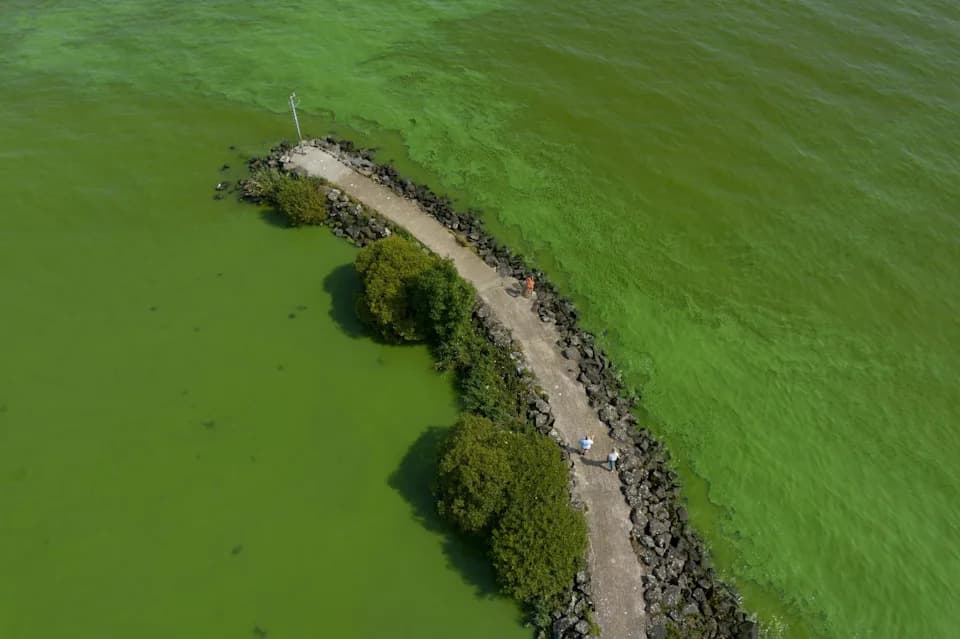
Algae are essential to marine ecosystems: they absorb carbon dioxide, release oxygen and form the base of many food webs. But when algae proliferate into harmful algal blooms (HABs), they can release toxins into the water and through contaminated prey, producing widespread ecological and economic damage.
Until now, the most notorious brevetoxin-producing species was the warm-water Karenia brevis. The emergence of a highly toxic, brevetoxin-producing Karenia species in cold temperate waters raises the prospect that similar coastal regions worldwide could become vulnerable if environmental conditions change or the species spreads.
The bloom was first detected in March 2025 and — as of the researchers' report this summer — remains active. The authors stress the urgent need to understand the environmental drivers and toxicity mechanisms behind Karenia blooms so authorities can improve monitoring, advisories and mitigation strategies.
A harmful algal bloom is a natural disaster, like a cyclone, and we cannot expect to fully control or reverse it,
— Murray et al., noting limitations of current mitigation approaches while continuing research into ways to reduce impacts.
Researchers, fisheries managers and public-health officials are now prioritizing expanded monitoring, toxin testing, and public advisories. The event underscores the need for international collaboration to track emerging HAB threats, assess risks to wildlife and people, and develop response plans for coastal communities and fisheries.
Help us improve.