New York has recorded its first confirmed Bourbon virus case after a Long Island patient was hospitalized and showed an eightfold antibody rise. The rarely diagnosed virus, spread by the lone star tick, has no vaccine, no specific treatment and no widely available diagnostic test. Only six human cases have been reported since 2014 and at least two deaths are linked to the virus. Experts call for expanded surveillance, improved testing and standard tick-bite prevention measures.
First New York Case Of Rare Bourbon Virus Confirmed — No Vaccine Or Widely Available Test, Experts Urge Vigilance
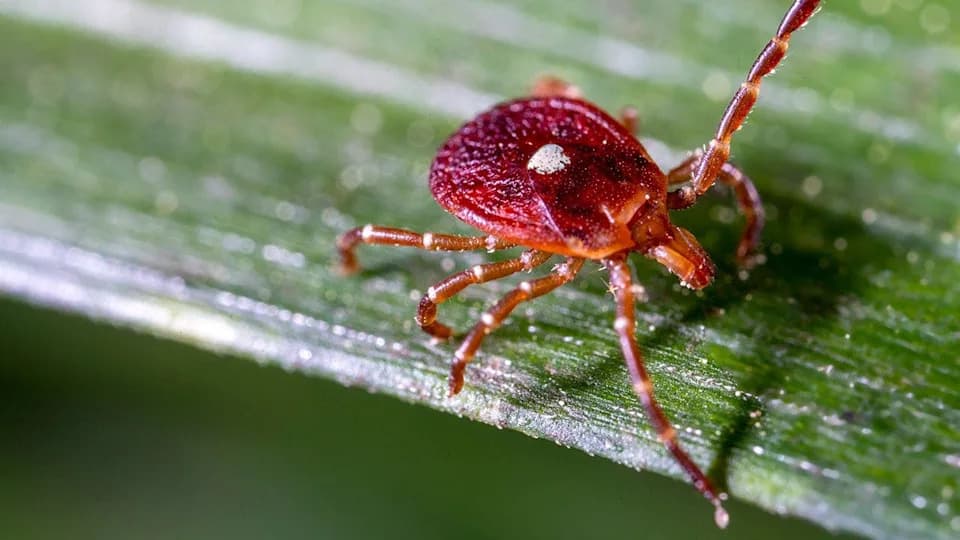
Adult female lone star ticks are identifiable by a white dot, or lone star, on their backs.
Researchers have confirmed New York's first case of the rare Bourbon virus after a Long Island patient developed severe illness and an eightfold rise in antibody levels. The finding has prompted calls for expanded surveillance and better diagnostic testing because there is no vaccine or specific antiviral treatment for the virus.
What Is Bourbon Virus?
Bourbon virus is a seldom-diagnosed, tick-borne virus transmitted by the lone star tick. First identified in Bourbon County, Kansas, in 2014, it has been reported in only a handful of people. Clinical presentation can mimic other tick-borne illnesses, which makes detection difficult.

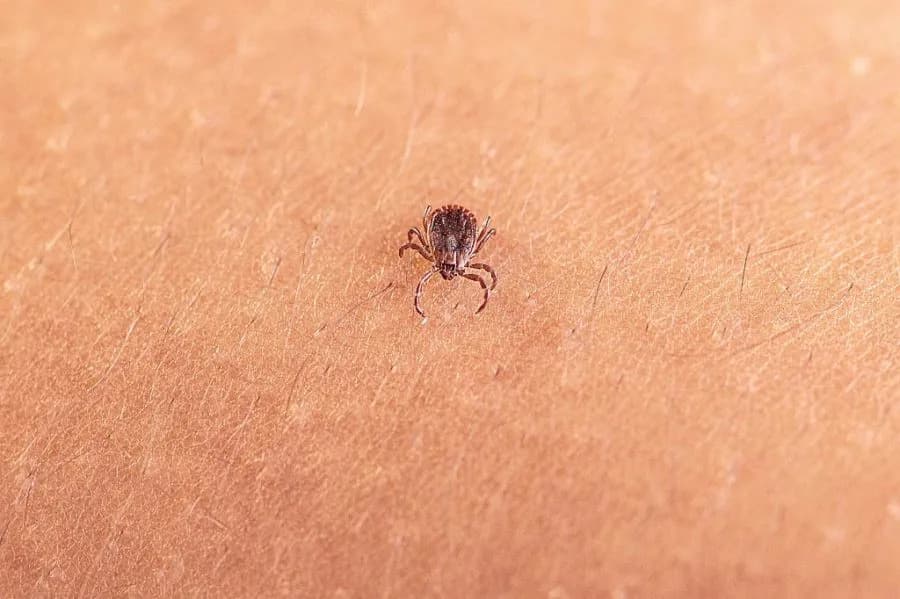
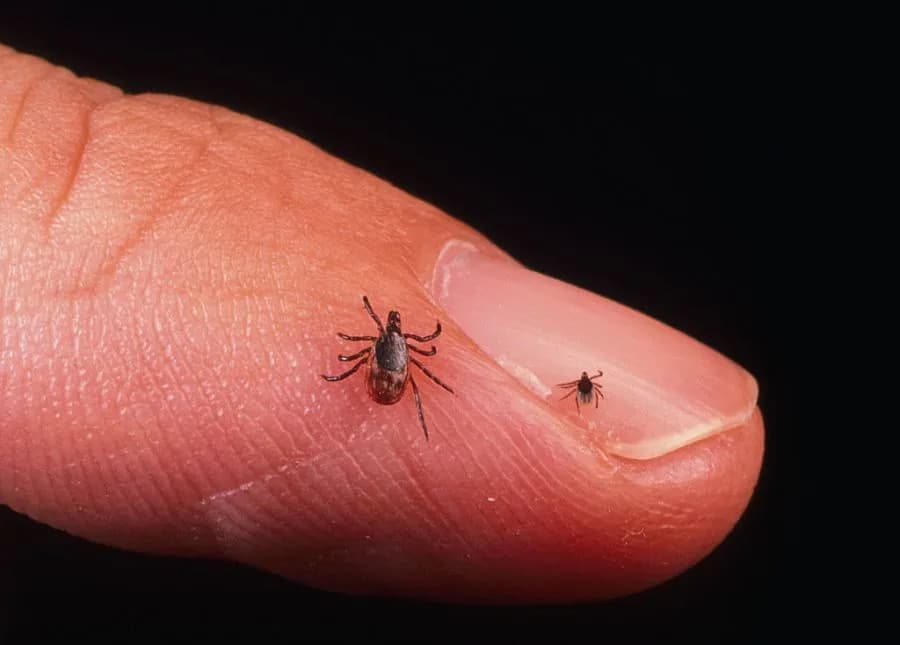
People who are bitten by ticks should remove them as soon as possible.
New York Case And Context
A team led by Stony Brook Medicine confirmed a Long Island patient who required hospitalization and showed an eightfold rise in Bourbon virus antibody titers. Since 2014, only six human cases have been documented, and the virus has been associated with at least two deaths (the original 2014 case and another reported in 2026). Researchers believe additional infections likely go undiagnosed.
Symptoms And Diagnostic Challenges
Common symptoms include fever, fatigue, rash, headache, muscle aches and nausea. Because there is no commercially available diagnostic test and many clinicians are unfamiliar with the virus, Bourbon virus infections can be misdiagnosed as other tick-borne diseases. There is currently no approved vaccine or targeted antiviral therapy.

To avoid tick bites, experts advise wearing long pants and sleeves, using insect repellent and avoiding overgrown areas.
Lone Star Tick Distribution
The lone star tick — identifiable by a single white spot on the adult female’s back — is widespread across parts of the United States, including the Northeast, Midwest and the South. Established populations have been recorded in states such as New York, New Jersey, Connecticut, Pennsylvania, Virginia, North Carolina and several others, according to the CDC.
What Experts Recommend
- Expanded surveillance and improved testing to identify more cases and better understand the virus' prevalence.
- Increased clinician awareness so physicians consider Bourbon virus in patients with compatible symptoms and tick exposure.
- Prompt removal of attached ticks and early medical evaluation for fever, rash or flu-like symptoms after a tick bite.
Practical Prevention Tips
- Wear long sleeves and pants, tuck pants into socks, and stay on well-used trails to avoid overgrown vegetation.
- Use EPA-registered insect repellents on skin and permethrin-treated clothing or gear (apply permethrin to fabrics, not skin).
- Check clothing and body for ticks after outdoor activities and remove any attached ticks promptly with fine-tipped tweezers.
- Seek medical attention if you develop fever, rash, fatigue or other unexplained flu-like symptoms in the days or weeks after a tick bite.
“Without identifying the true causes of these infections, efforts to develop accurate diagnostics or effective treatments are unlikely to succeed,” said Luis Marcos, MD, director of the Stony Brook Tick-borne Disease Clinic.
As lone star ticks remain common in the Northeast and other regions, public-health experts emphasize vigilance this tick season and beyond.
Help us improve.