Longleat Safari Park announced the birth of twin Amur tiger cubs on International Tiger Day. The cubs—born to Red and Yana—remain with their mother and are not yet named while their sexes are undetermined. With roughly 450 Amur tigers left in the wild (IUCN), this litter is an important conservation milestone; Longleat now hosts seven tigers, the largest family group in the U.K. Keepers are delaying public access until the cubs have been vaccinated and weaned.
Longleat Welcomes Twin Amur Tiger Cubs — A Rare Boost For Conservation
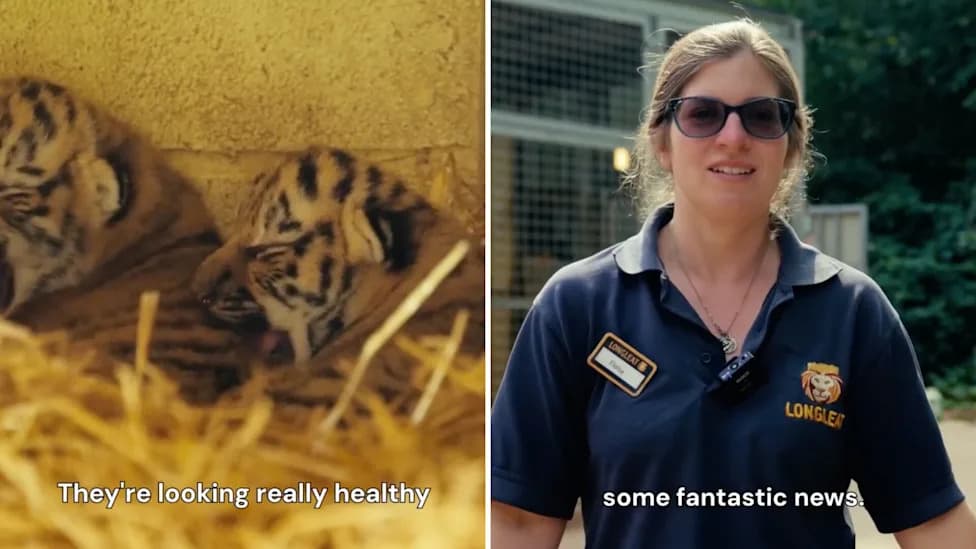
Photo Credit: Longleat
Longleat Safari Park in the United Kingdom has announced the birth of twin Amur tiger cubs, a development welcomed by conservationists and visitors alike. The park revealed the news on International Tiger Day: the cubs are the third litter for parents Red and Yana.
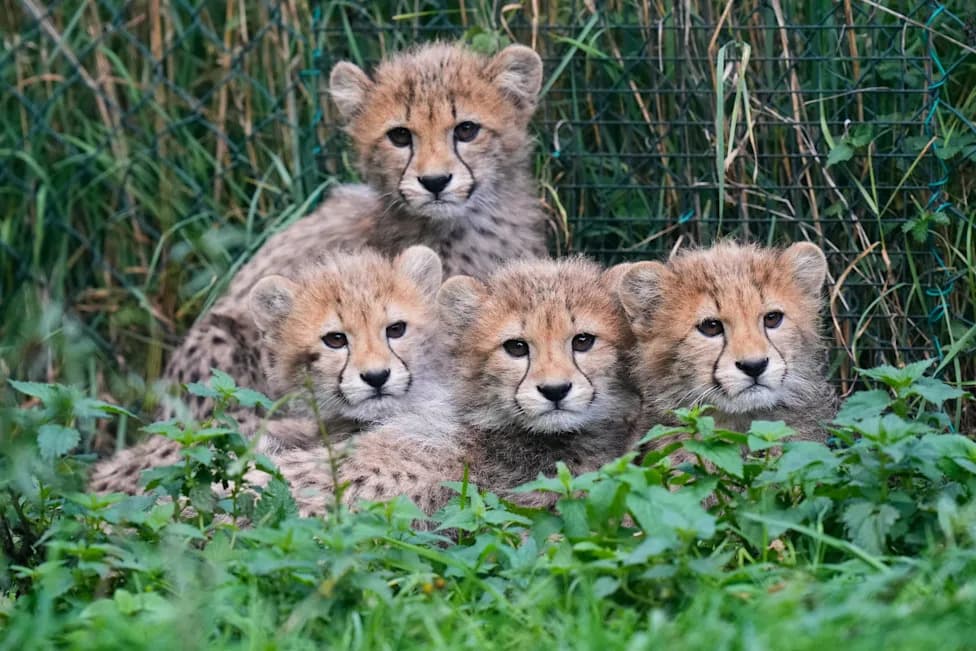
The cubs are only a few weeks old and have not yet been named because their sexes remain undetermined. Keepers are keeping the litter close to their mother, Yana, and out of public view while she nurses and cares for them.
Care, Health and Public Access
Staff are providing Yana with extra food to support her energy needs as she looks after the "chunky little cubs," said Amy Waller, team manager of the safari at Longleat. The keepers plan a cautious schedule: the cubs are expected to nurse for around six months before being gradually weaned onto meat, and they will remain off public display until they have received their vaccinations and are ready for outdoor access.
"We aren't sure yet when the cubs will be able to be seen as it is still early days and they will need to have their inoculations before venturing outside," Waller said.
Why This Birth Matters
Amur tigers (also known as Siberian tigers) are among the world's most endangered big cats. The International Union for Conservation of Nature (IUCN) estimates that only about 450 Amur tigers remain in the wild. Threats such as poaching, habitat loss from logging and forest fires, and limited genetic diversity make each new litter particularly significant for the species' long-term survival.
Longleat now houses seven tigers, making it the largest tiger family group in the United Kingdom. The park contributes to coordinated conservation breeding through the European Endangered Species Programme (EEP), which helps manage genetic diversity and healthy captive populations; three of Red and Yana's previous cubs were relocated to other facilities under that programme.
The Bigger Picture
Because Amur tigers descend from a relatively small ancestral population, managed breeding programmes and careful transfers between facilities are essential to reduce the risks associated with low genetic diversity. Longleat's cautious husbandry, collaboration with the EEP, and continued public education help support broader conservation goals for the species.
Help us improve.