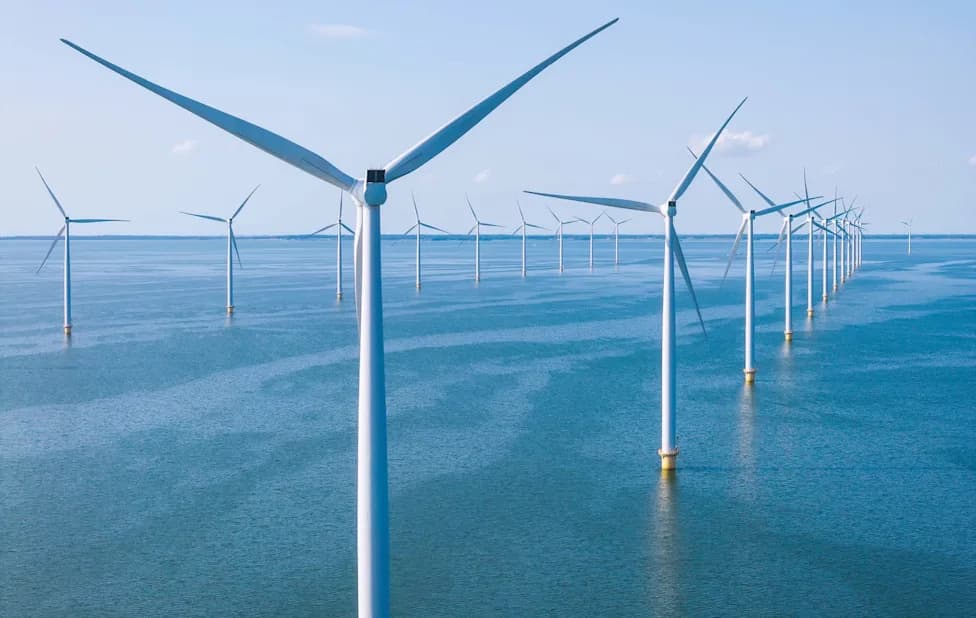
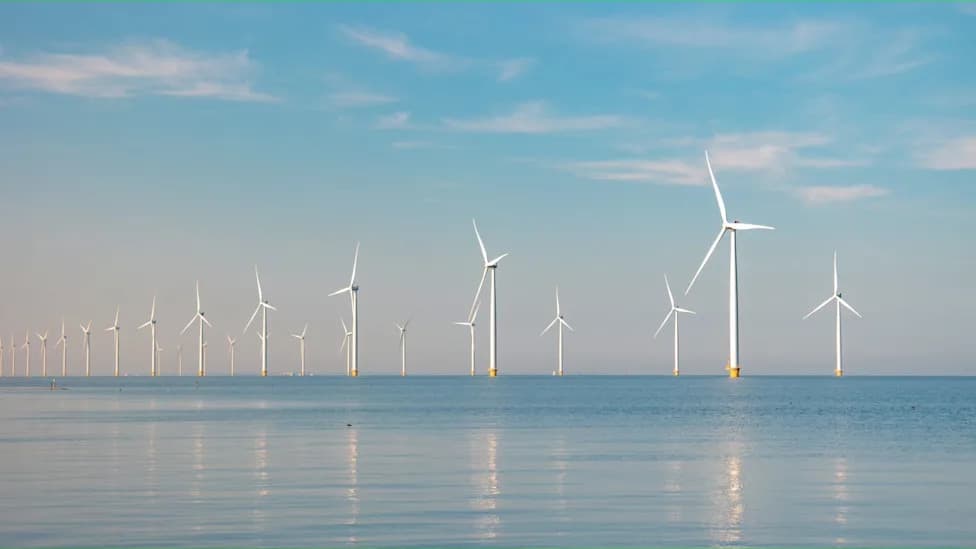
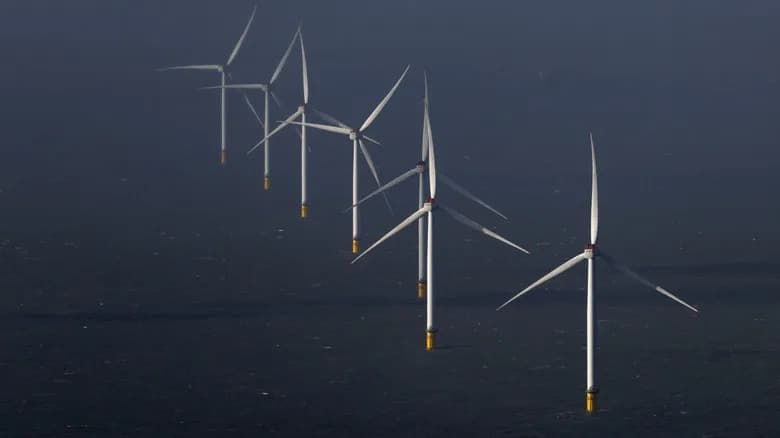
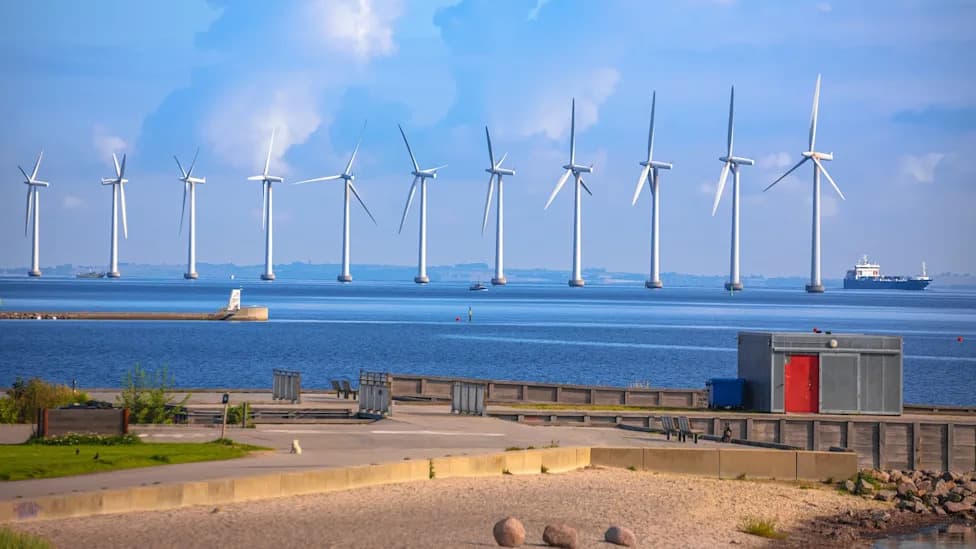
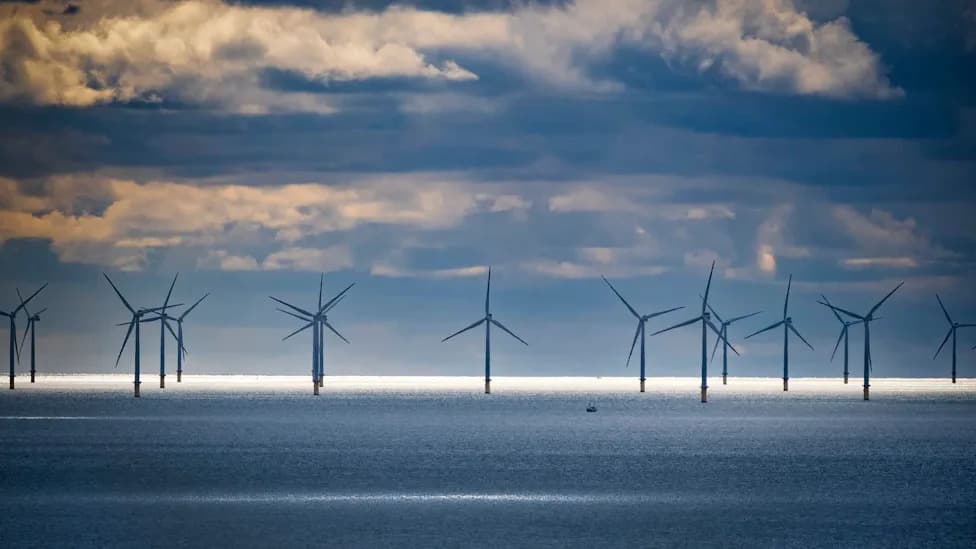
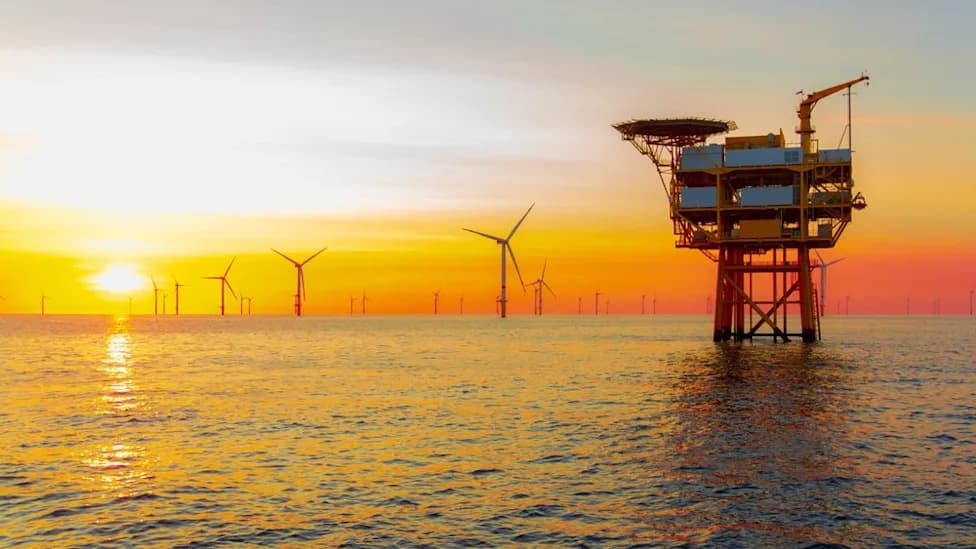
The WindFloat Atlantic floating wind farm, located more than 11 miles off Viana do Castelo, Portugal, showed no detectable harm to plankton communities or measured ecosystem functioning compared with nearby reference areas. Instead, the floating platforms produced a reef‑like effect that attracted mussels, kelp and barnacles and coincided with higher abundances of fish, octopus and sole. The site also acts as a fishing exclusion zone and saw increased dolphin activity, while producing 345 GWh of electricity with no recorded bird collisions in this study. Continued, site‑specific monitoring is recommended.
Portugal’s Floating Wind Farm Boosts Marine Life — Creates Unexpected Reef While Generating 345 GWh
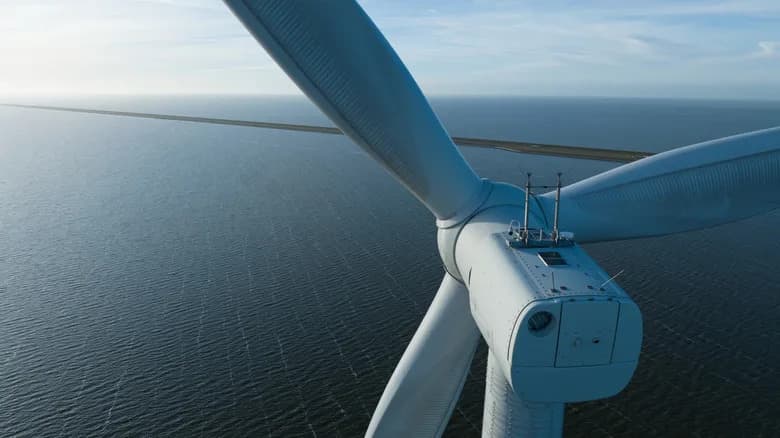
Make more Aerials/Shutterstock
A recent study of the WindFloat Atlantic floating wind farm — sited more than 11 miles off the coast of Viana do Castelo, Portugal — found no detectable harm to plankton or to the measured functioning of the local underwater ecosystem. Instead, researchers documented an unexpected ecological benefit: the floating platforms produced a reef‑like effect and attracted greater abundances of fish, octopus, sole and other marine life while the site produced 345 GWh of clean electricity.
Study Findings
Researchers compared conditions inside the wind farm to adjacent reference areas, monitoring plankton communities, water quality, and underwater noise. They found no measurable changes to plankton dynamics or to basic ecosystem functioning attributable to turbine operations. At the same time, scientists recorded higher densities of fish, octopus and sole near the platforms.
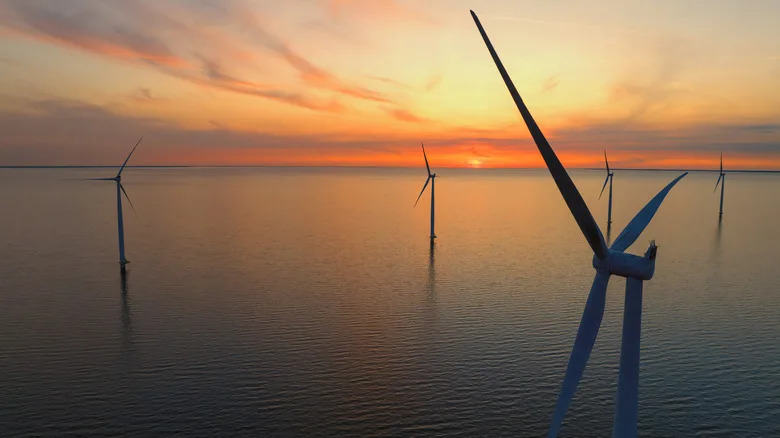
Sjo/Getty Images
Reef Effect and Fishing Exclusion
The platforms altered local seafloor substrate and provided hard surfaces that were colonized by mussels, kelp and barnacles — a classic reef effect that can increase habitat complexity and food availability. Because the wind farm functions as a de facto fishing exclusion zone, reduced fishing pressure likely helped the area become a refuge for a variety of species.
Birds, Mammals and Monitoring
Bird collisions are a common concern for wind energy, but observers reported no collisions at this site despite sightings of northern gannets and large gulls flying at rotor height. Researchers also noted increased dolphin activity around the farm, which they attribute to higher local prey abundance. Throughout the study, teams closely tracked water quality and noise to ensure operations were not degrading marine conditions.
What This Means
These results suggest that carefully sited and managed floating wind farms can produce renewable energy while potentially providing local ecological benefits. The authors caution, however, that outcomes are site specific: ongoing monitoring, careful siting, and assessment of cumulative impacts are essential before assuming the same effects will occur everywhere.
Bottom line: In this case, WindFloat Atlantic generated significant clean power without detectable harm to plankton or overall ecosystem functioning and created habitat features that supported increased local biodiversity.
Help us improve.