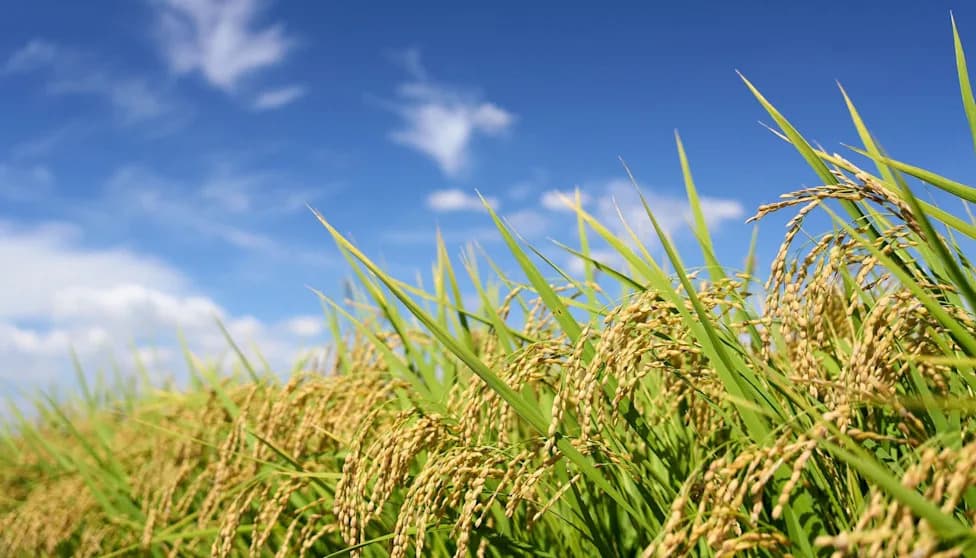
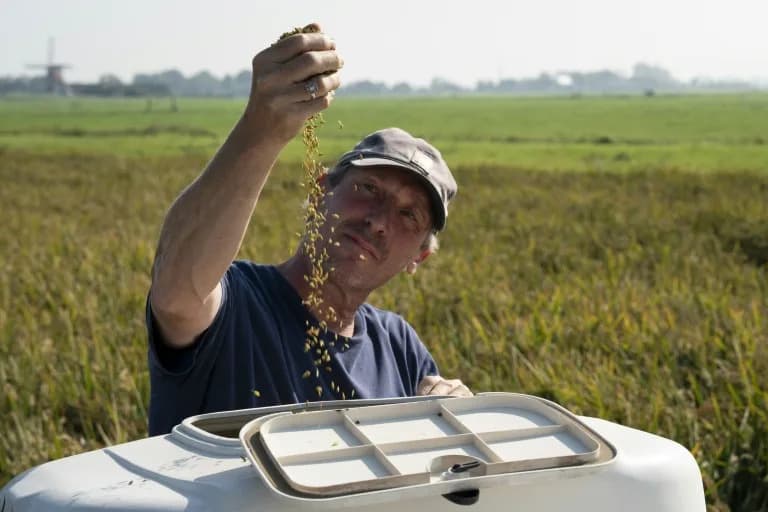
Field-based research finds that each 1°C of warming could cut global rice yields by about 8.1%, nearly double the 3.8% decline estimated by several crop models. The mismatch stems from models underestimating damage from extreme heat above 30°C during rice's reproductive stage. The largest upward revisions affect South and Southeast Asia, and researchers recommend focusing adaptation on heat-sensitive growth stages through heat-tolerant varieties, adjusted planting dates, better irrigation, and improved soils.
New Study: Heat May Cut Global Rice Yields Nearly Twice as Much as Models Predict
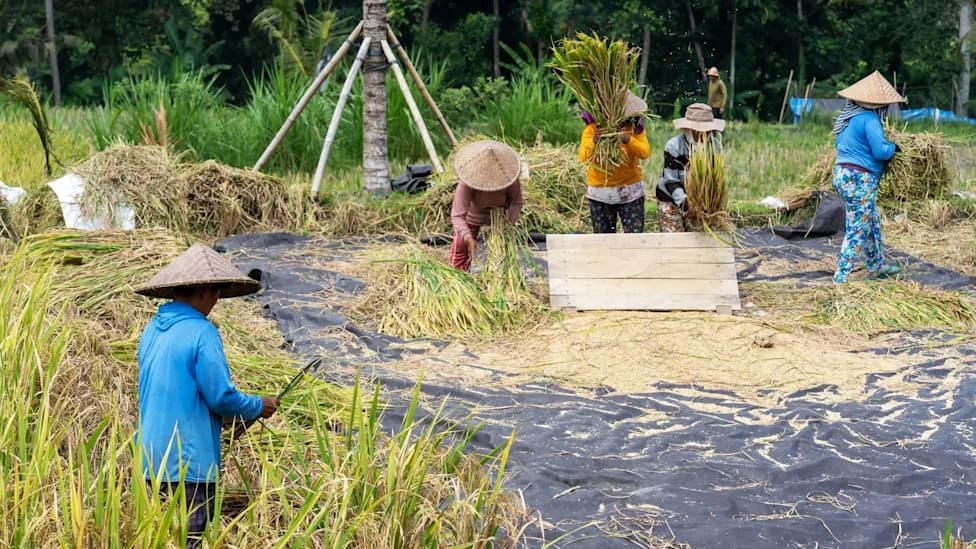
Photo Credit: iStock
New field-based research shows that rising temperatures could reduce global rice harvests far more than many crop models have estimated, with important implications for food security in Asia and beyond.
Study and Methods
The international study, led by the Helmholtz Centre for Environmental Research with contributions from the Potsdam Institute for Climate Impact Research, compared 214 field-warming experiments with outputs from seven widely used crop models. The team focused on isolating the direct effect of temperature on rice yields rather than producing a comprehensive forecast of future production.
Key Findings
The researchers found that each 1°C (1.8°F) of global warming could reduce rice yields by about 8.1%, roughly double the 3.8% decline projected by several major crop models. A critical reason for this discrepancy is how models represent short-term extreme heat.
Field experiments identified exposure above 30°C (86°F)—especially during rice's reproductive stages, when panicles and grains form—as the principal driver of yield loss. At more than 70% of observed sites, high temperatures accounted for over half of the total observed yield change.
Yiwei Jian, lead author from the Helmholtz Centre for Environmental Research, said: "The gap between observations and models appears to come mainly from models not yet capturing heat damage during rice's reproductive stages. Our observations show this is exactly when rice is particularly vulnerable to extreme heat."
Regional Impacts
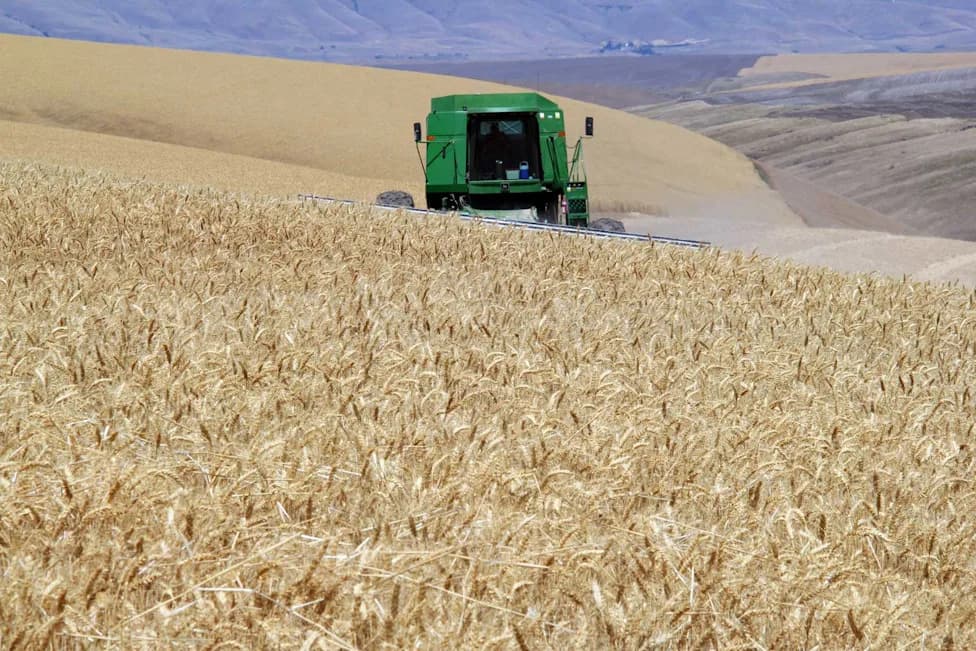
The largest upward revisions in estimated losses affect South and Southeast Asia. For Pakistan, India, and Bangladesh the study raises estimated losses from 2.1% to 6.6%. For Thailand, the Philippines, and Myanmar the estimate rises from 3.7% to 7.7%. These revisions could materially affect grocery prices, farmer incomes, and national food-security planning where rice is a staple.
Adaptation Recommendations
To reduce vulnerability, the authors recommend targeting the reproductive stage of growth. Practical responses include:
- Accelerating development and deployment of heat-tolerant rice varieties.
- Shifting planting dates so sensitive stages avoid the hottest days.
- Improving irrigation and water management to alleviate heat stress.
- Strengthening soil health to boost crop resilience.
- Investing in policies and infrastructure that help farmers access modern irrigation and improved seed varieties.
Christoph Müller, scientist at the Potsdam Institute for Climate Impact Research, added: "This is a really significant jump for the models and emphasizes the role of heat extremes in projected losses, not just average temperatures. When people check summer weather, they look at the daily high, not the average—crop impacts behave similarly."
Limitations: The study isolates temperature effects and does not incorporate other variables such as CO2 fertilization, pests, diseases, or socio-economic changes that also influence future rice production. Nevertheless, the findings highlight a likely underestimation of heat-driven risks in many current crop-model projections.
Help us improve.