Field experiments in Catalonia show that heat waves before flowering reduce wheat yield more than heat after flowering — mainly by cutting the number of grains. An early heat wave can partially "prime" plants to better tolerate a later heat event, but priming does not offset the initial yield loss. The study highlights the need to protect wheat during flowering and to include repeated heat events in crop-loss models.
Early Heat Waves Cut Wheat Yields Most — But Can "Prime" Plants for Later Heat
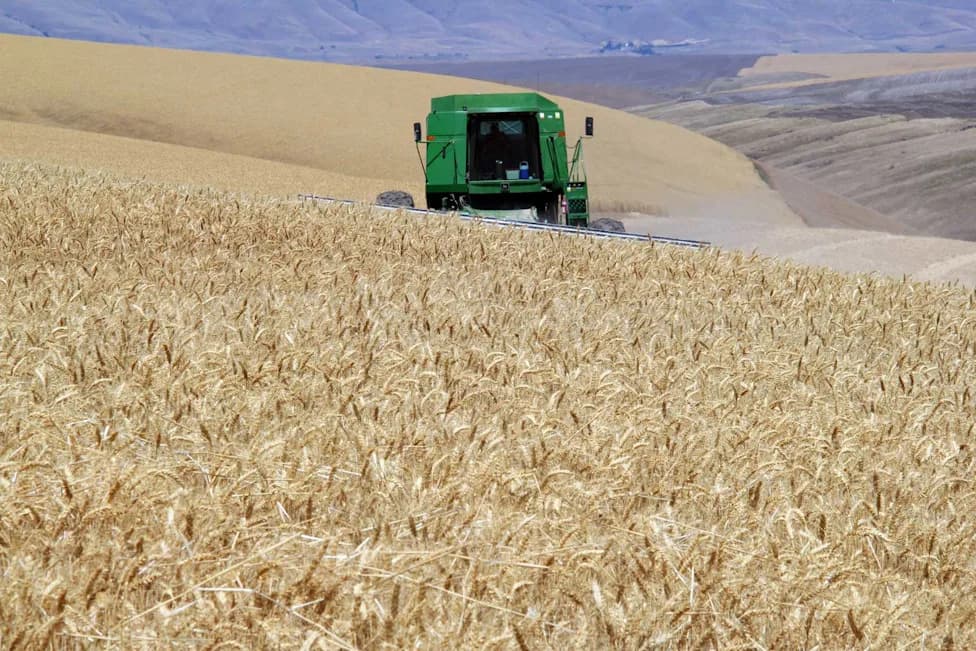
Image by Oregon Department of Transportation
New field research from the University of Lleida finds that heat waves occurring before wheat flowers (pre-anthesis) cause larger yield losses than identical heat events after flowering (post-anthesis). The study also shows that an early heat event can partially "prime" plants, reducing the damage of a subsequent heat wave — though priming does not eliminate the net loss caused by the first event.
Study Details
Over two growing seasons researchers tested two modern wheat varieties under real field conditions. To simulate heat waves, plots were covered with transparent tents that raised daytime temperatures through a greenhouse effect. Treatments were applied before flowering, after flowering, or sequentially across both stages.
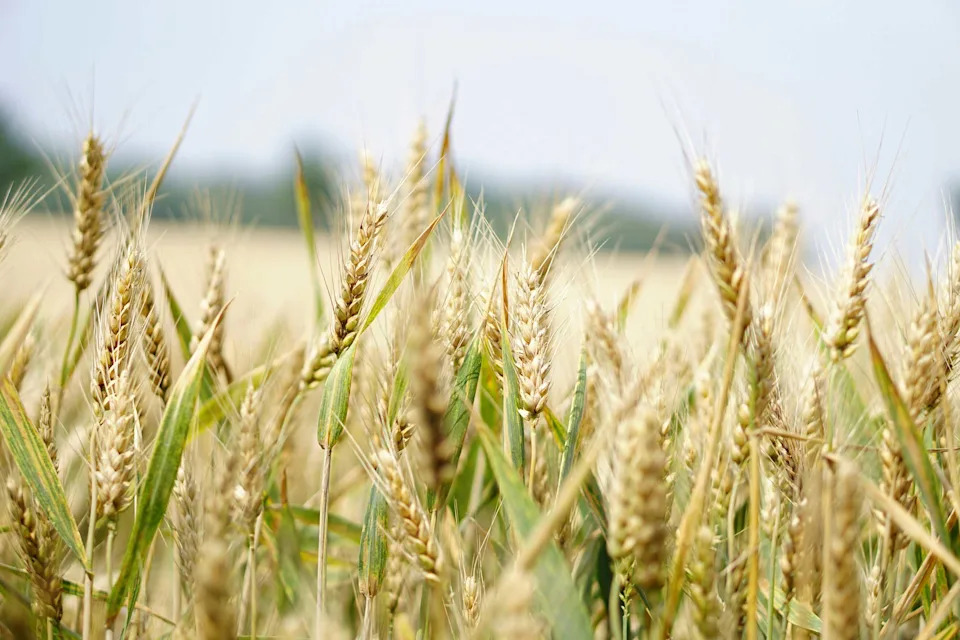
Image by Pixabay, Pexels
Key Findings
Timing of heat stress determined both the magnitude and the nature of yield losses. Pre-flowering heat primarily reduced the number of grains the plants produced, while post-flowering heat mainly reduced the weight of individual grains. Plants that experienced an early heat wave often sustained less damage from a later heat event than plants that encountered heat only after flowering, suggesting a physiological priming effect.
"Most studies have examined heat stress as a single event, and have done so under controlled conditions rather than under field conditions. We investigated whether an earlier heat wave could alter how wheat responds to a later one during reproductive development," — Dr Gustavo Slafer, co-author.
What "Priming" Means
Priming is a form of physiological memory: an initial stress activates protective responses that remain partially engaged and help the plant respond more effectively to subsequent stress. The authors report this is the first field-based evidence of an antagonistic interaction between successive heat waves in a crop system, but they emphasize that priming does not make early heat beneficial overall.

Image by maxbelchenko, Shutterstock
Implications
The results reinforce the importance of protecting wheat during the stages when grain number is determined (around flowering). Management and adaptation strategies that reduce heat exposure during these sensitive reproductive stages are likely to have the greatest impact on preserving yield. The findings also suggest crop-yield models should account for repeated heat waves, not just single events, and may be relevant to other temperate cereals such as barley, oats and rye — although temperature thresholds and responses will vary by species.
Publication: "Heat waves at pre-anthesis, post-anthesis, and sequentially across both stages on wheat yield under field conditions," B. Bicego, G. Slafer, R. Savin. Published Sept. 18 in the Journal of Experimental Botany.
Help us improve.