Prime Minister Andy Burnham has opened "No. 10 North," a Manchester-based branch office about 165 miles (260 km) from 10 Downing Street. He will work from the office at least one day a week and has pledged a larger share of local income and business tax revenue for mayors. Supporters say the move amplifies regional voices; critics call it symbolic unless devolved funding and powers reach across the country.
No. 10 North: Burnham Opens Manchester Power Hub to Rebalance Britain
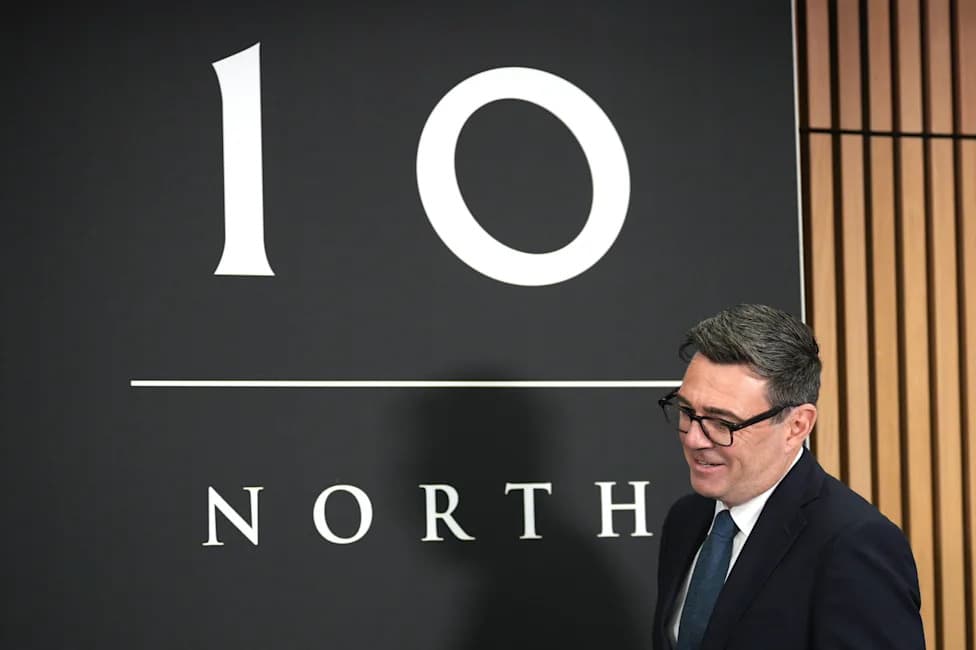
Britain's Prime Minister Andy Burnham arrives to hold a National Economic Council meeting at No 10 North at Heron House in Manchester, England. Friday July 24, 2026. (Christopher Furlong/Pool Photo via AP)(Christopher Furlong/Pool Getty via AP)
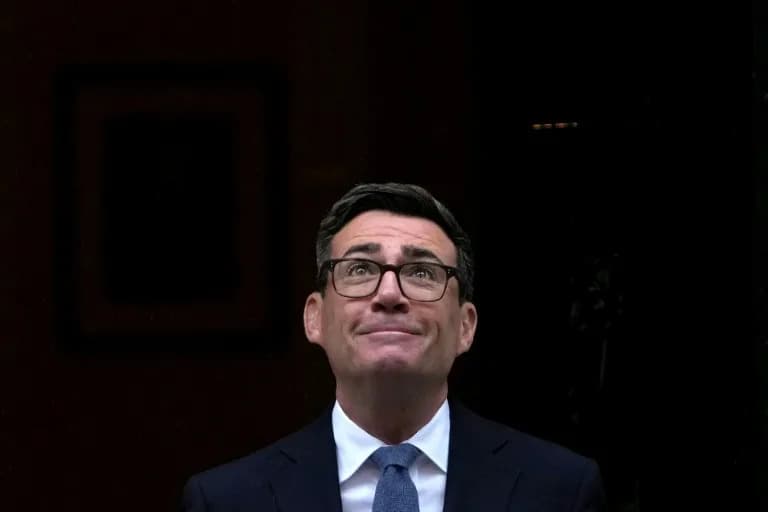
Manchester, England — Prime Minister Andy Burnham has opened "No. 10 North," a new government branch office in Manchester roughly 165 miles (260 km) from the traditional centre of power at 10 Downing Street in London. The office is intended as both a symbolic gesture and a practical hub for Burnham's drive to decentralise decision-making and direct investment toward the regions.
Why No. 10 North?
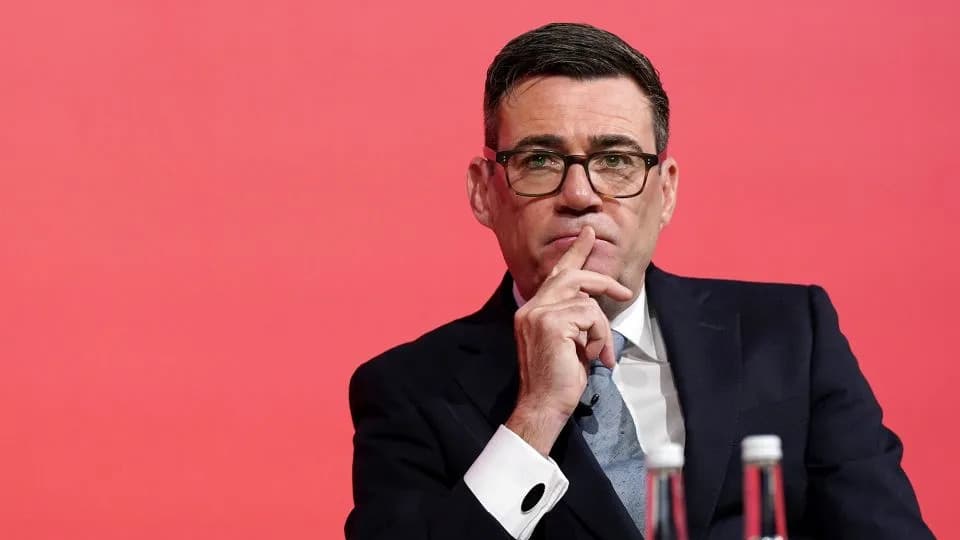
Burnham — who served nine years as mayor of Greater Manchester — positions No. 10 North as a corrective to what he calls the excessive centralisation of power in Westminster. He has described the office as "a North Pole that balances the South Pole" of London politics, promising a new focus on regional growth and local leadership.
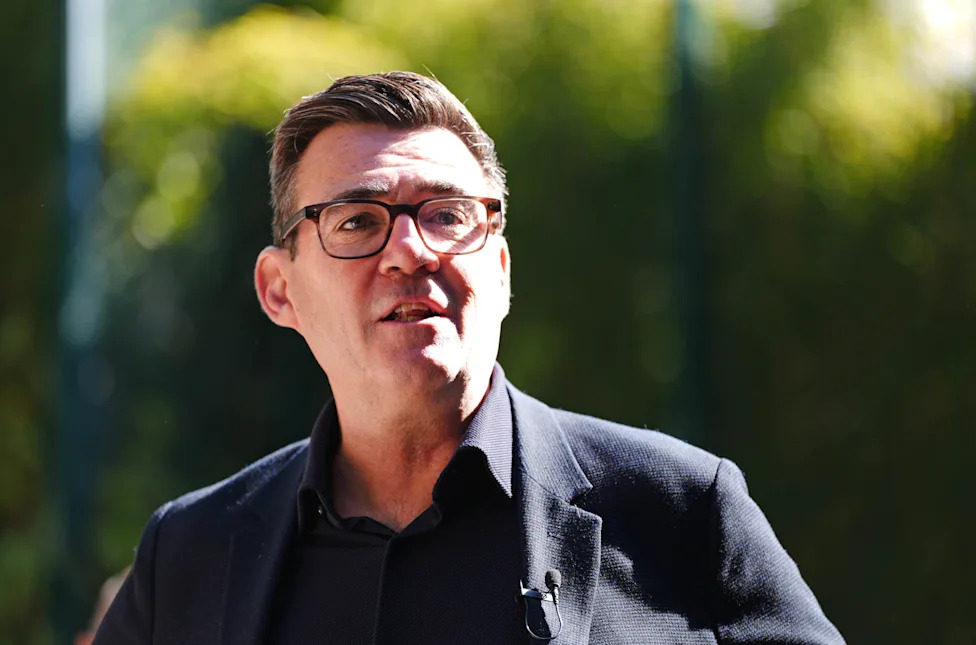
Britain's Prime Minister Andy Burnham during a visit to a family center in Sheffield, England, Friday, July 31, 2026. (Annabel Lee-Ellis/Pool Photo via AP)(Annabel Lee-Ellis/POOL PA via AP)
What The Office Will Do
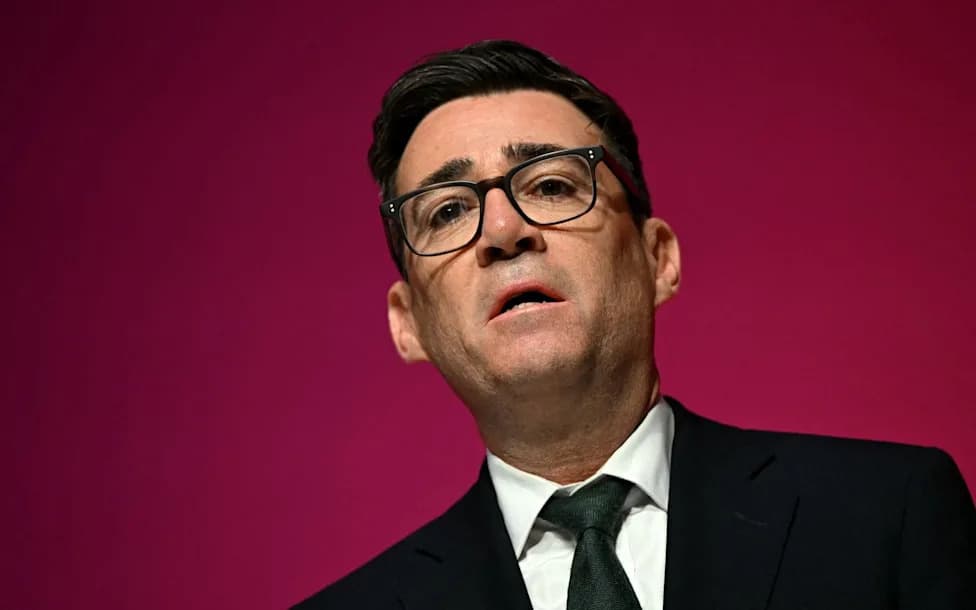
Burnham plans to work from Manchester at least one day a week, supported by a permanent team of aides, policy specialists and civil servants. As an early concrete measure he announced that mayors will be allowed to retain a larger share of local income and business tax revenue — a change he called "the biggest transfer of power, funding and responsibility from Westminster in a generation." Many implementation details, including the exact sums and mechanisms, have yet to be published.
Burnham's Track Record And Approach
During his time as mayor, Burnham championed what supporters call "Manchesterism": a pragmatic, business-friendly strain of socialism that seeks to combine private investment with devolved public control over housing, transport, training and other services. Manchester saw intensive urban redevelopment under his leadership, which supporters point to as a model for national policy.
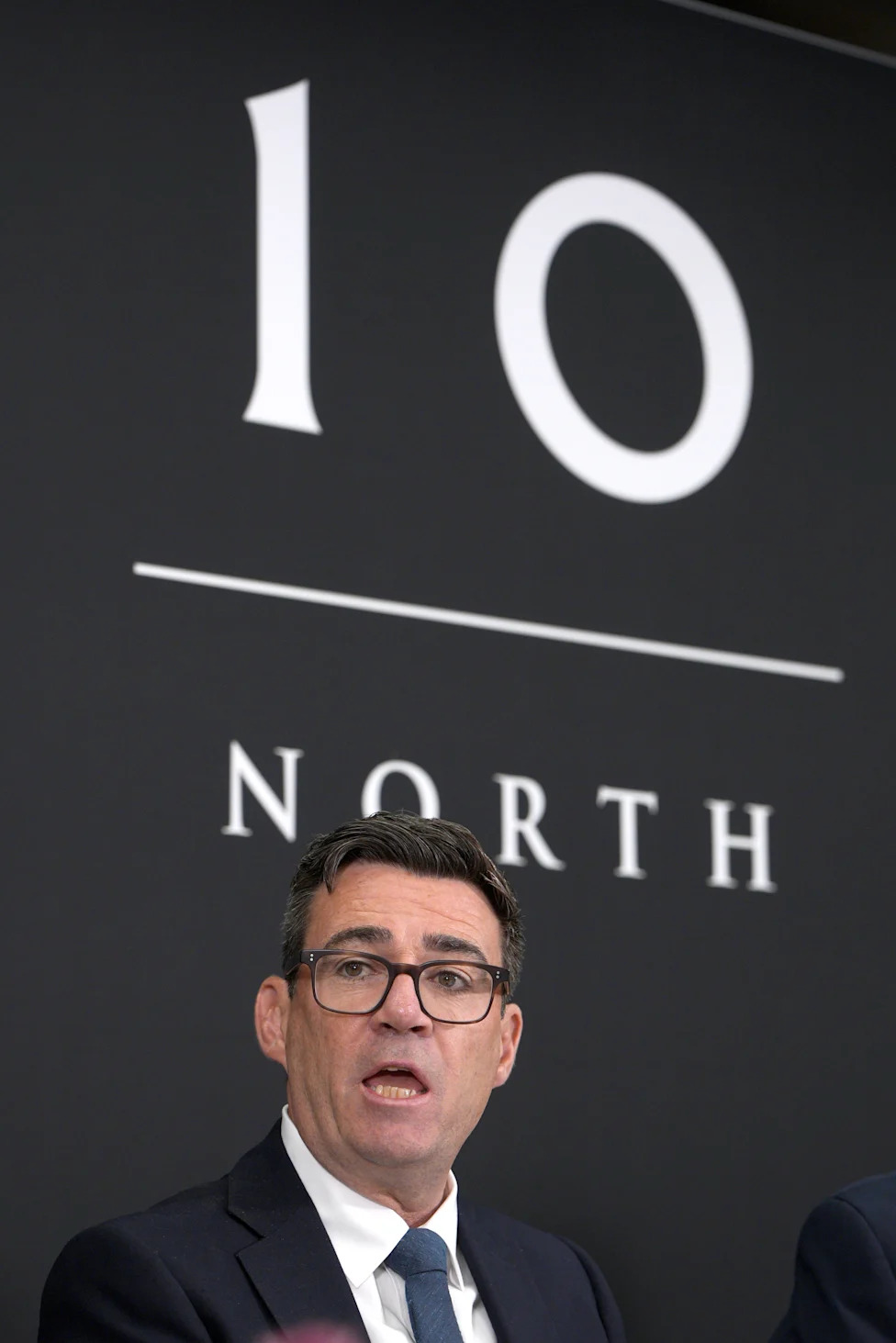
Britain's Prime Minister Andy Burnham holds a National Economic Council meeting at No 10 North at Heron House in Manchester, England. Friday July 24, 2026. (Christopher Furlong/Pool Photo via AP)(Christopher Furlong/Pool Getty via AP)
Reaction: Supporters and Critics
Supporters say No. 10 North makes it easier for voices outside London to shape national policy. Rose Marley, chief executive of Cooperatives UK, said the office reduces the need for regional figures to travel to the capital and can bring new perspectives into national debate.
"It was so refreshing that it wasn't always us who had to travel to London," Marley said. "Westminster might begin to appreciate how poor the rail links are and how expensive return trips can be when they have to make them regularly."
Critics dismiss the initiative as a symbolic gesture unless devolution reaches across the country. Observers caution that Manchester's boom has not benefited every nearby neighbourhood and warn that people in Liverpool, Leeds, Sheffield and other cities may not feel represented by an office in Manchester alone.

Britain's Prime Minister Andy Burnham, third left, holds a National Economic Council meeting at No 10 North at Heron House in Manchester, England. Friday July 24, 2026. (Christopher Furlong/Pool Photo via AP)(Christopher Furlong/Pool Getty via AP)
Practical Details And Next Steps
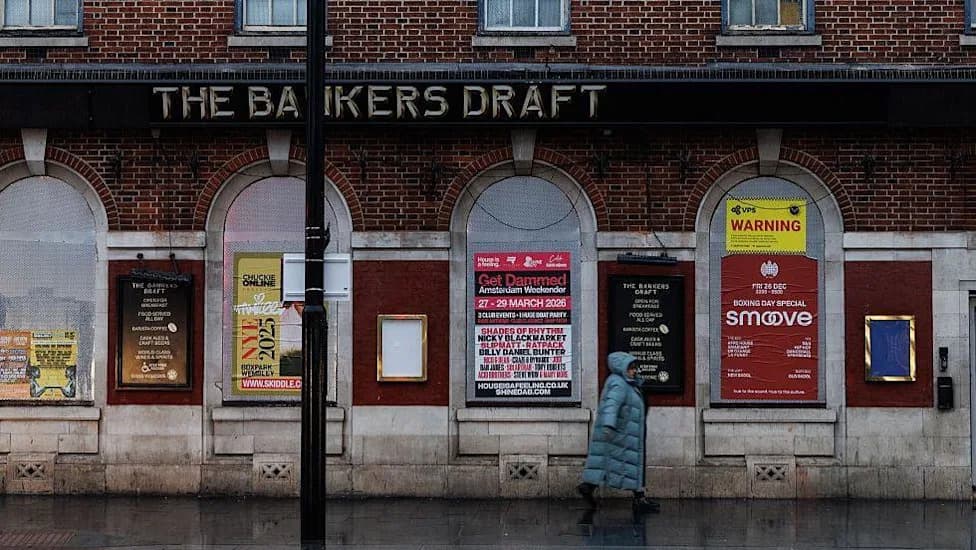
For now, No. 10 North operates from a modest low-rise that shares space with a chain pub, a civic register office and a branch of the cyber-intelligence agency GCHQ. Planners envision a future purpose-built headquarters as part of a broader inner-city redevelopment scheme. The government will need to publish more detailed plans and fiscal numbers to convince sceptics that powers and funding are genuinely being devolved.
Bottom line: No. 10 North is a bold attempt to rebalance political and economic power away from London. Its long-term impact will depend on the specifics of tax devolution, the rollout of resources beyond Manchester, and whether other regions feel genuinely included in the shift.
Help us improve.