China has denounced a US decision to add 43 companies to a forced‑labour trade blacklist, calling the move "economic coercion" and the accusations "baseless." The US Department of Homeland Security said goods from the listed firms will be presumed to be produced with forced labour and barred from US entry unless importers can rebut that presumption. The list expands from 144 to 187 companies, affecting sectors such as electronics, pharmaceuticals and cotton, and drew criticism from Beijing over its timing ahead of planned high‑level US‑China talks.
China Condemns US Addition Of 43 Firms To Forced‑Labour Blacklist, Calls Move "Economic Coercion"
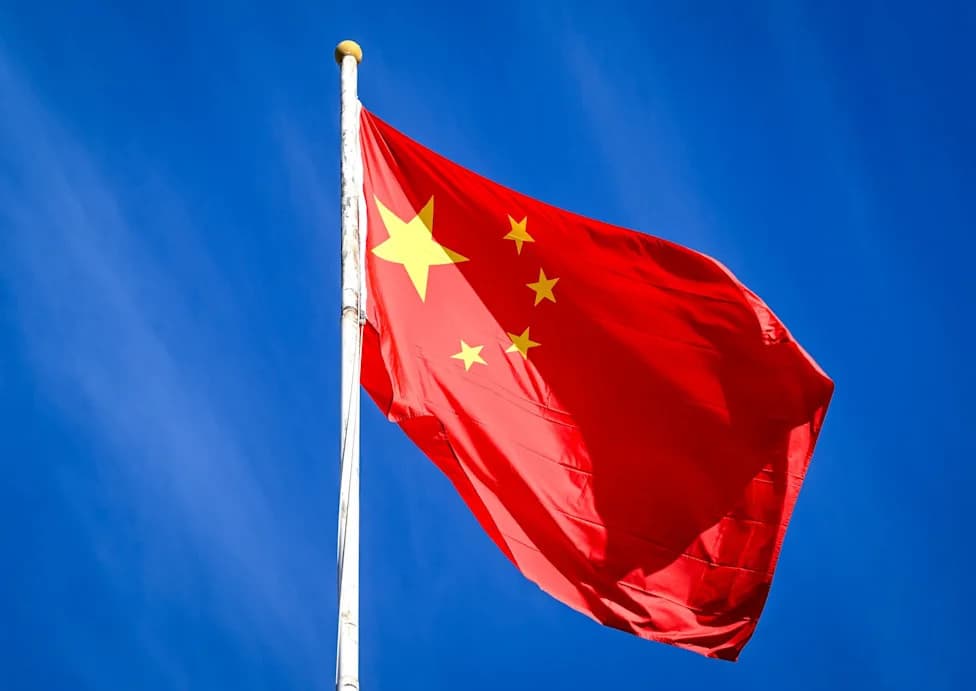
FILE PHOTO - The flag of the People's Republic of China flies over the roof of the Hall of the People. (is associated with: «China slams new US blacklist of 43 firms») Soeren Stache/dpa
China has sharply criticized a recent decision by the US Department of Homeland Security to add 43 Chinese companies to a forced‑labour trade blacklist, calling the action "economic coercion" and rejecting the underlying allegations as baseless.
What the US action means
The Department of Homeland Security announced the additions on Friday. From the following Monday, goods produced by the listed firms will be presumed to have been made with forced labour and barred from entry to the United States unless importers can provide evidence to the contrary.
Scope and Sectors Affected
The blacklist mechanism was launched in June 2022 under legislation passed in late 2021. The latest update expands the list from 144 to 187 companies — the largest single increase so far. Companies named in the move work across sectors including electronics, pharmaceuticals and cotton.
Allegations and Responses
China's Commerce Ministry described the accusations as "baseless" and said Beijing would take necessary measures to protect Chinese businesses.
US authorities say the firms either source inputs from Xinjiang or participate in state‑run labour programmes in the north‑west Chinese region, where many Uyghurs — a predominantly Muslim minority — live. Human rights groups and UN experts have accused Chinese authorities of systematic repression in Xinjiang and, in some cases, forcing people into labour. Beijing rejects those allegations and maintains there is no forced labour in the region.
Timing And Diplomatic Context
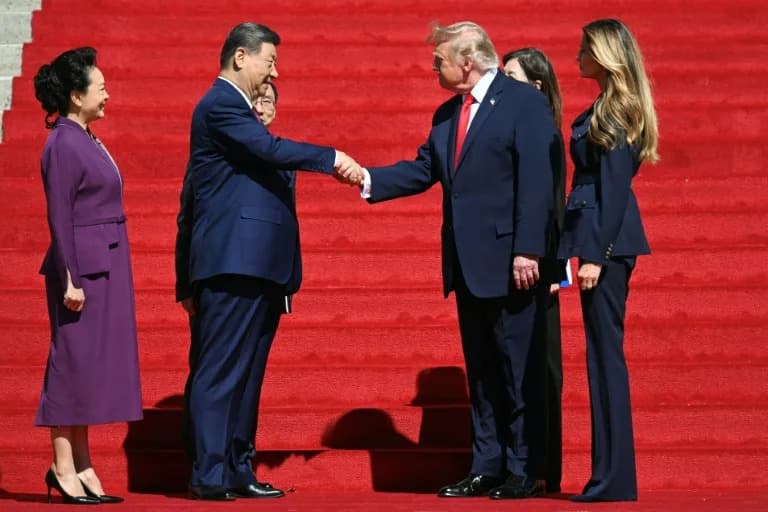
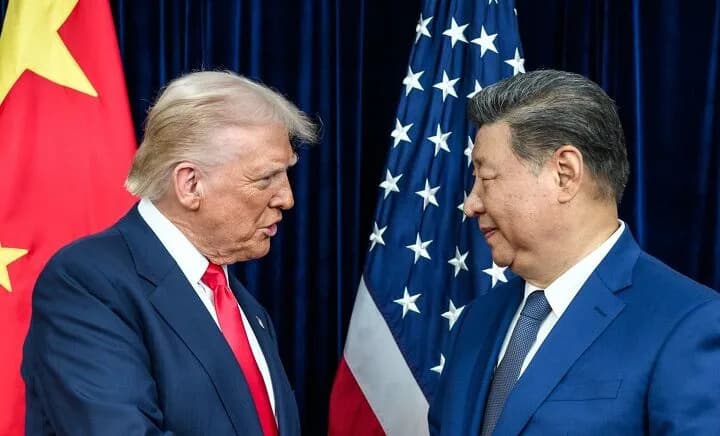
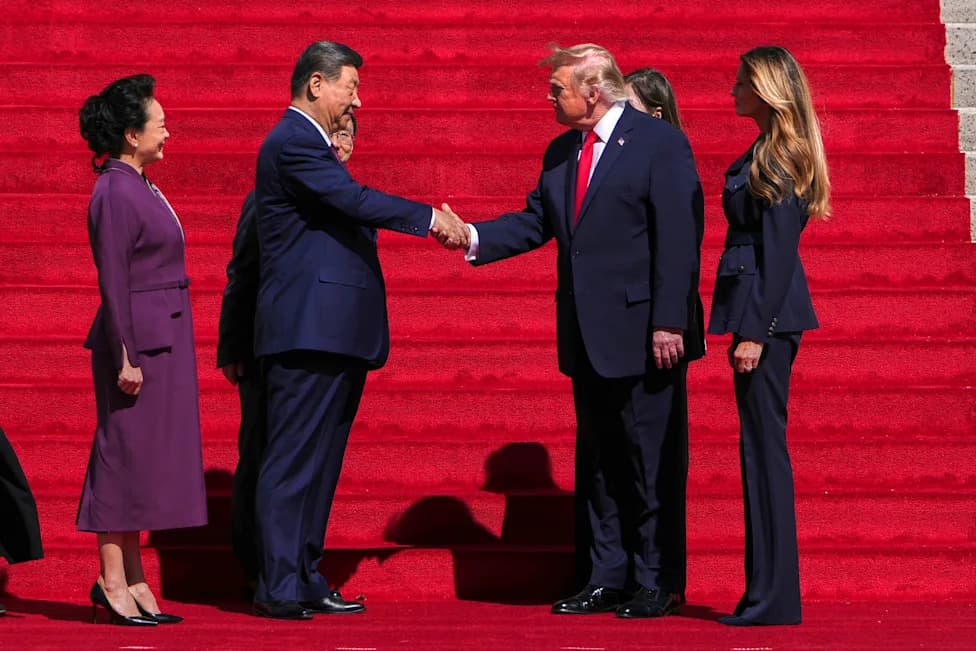
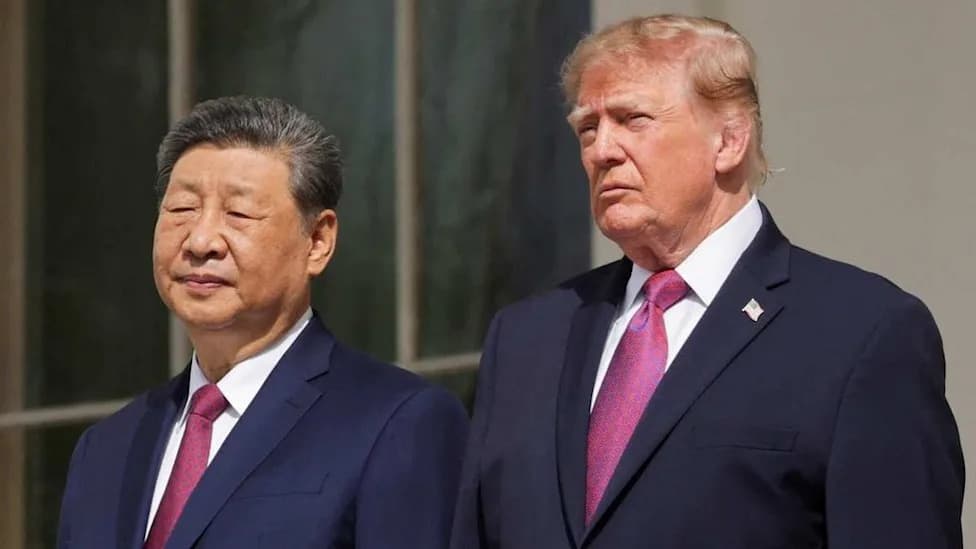
China's Commerce Ministry also criticized the timing of the US announcement. The move came one day after Chinese Vice‑Premier He Lifeng held a video call with US Treasury Secretary Scott Bessent and US Trade Representative Jamieson Greer. Preparations are under way for a second meeting this year between US President Donald Trump and Chinese President Xi Jinping; Trump has said Xi is expected to visit the White House on 24 September.
Potential Implications
The expanded blacklist is likely to increase trade scrutiny for affected companies and their supply chains and could heighten US‑China tensions ahead of high‑level talks. Importers facing the presumption of forced labour can pursue legal or administrative routes to prove otherwise, but the designation signals a tougher US stance on goods linked to Xinjiang and related labour programmes.
What to watch next: how Beijing responds in trade or diplomatic channels, whether importers successfully rebut the forced‑labour presumption for affected shipments, and how the move influences upcoming high‑level US‑China meetings.
Help us improve.