A FERC decision expected by Friday could determine whether a 206-mile, Kinder Morgan–linked natural gas pipeline from Greenville, MS, to Butler, AL, proceeds. The $1.7 billion project would cross 10 counties, add compressor stations in Humphreys, Attala and Lauderdale counties, and could carry up to 1.5 billion cubic feet per day. The Mississippi Band of Choctaw Indians and environmental groups oppose the route over concerns about inadequate consultation, proximity to tribal lands and risks to more than 2,000 water bodies. If approved, the companies would move toward construction; if not, they may need to revise plans or address outstanding issues.
FERC Decision Nears on Contested 206-Mile Kinder Morgan-Linked Gas Pipeline Across Mississippi
Photo Credit: iStock
A Federal Energy Regulatory Commission (FERC) ruling expected by Friday could determine whether a proposed 206-mile natural gas pipeline — linked to Kinder Morgan and backed by Tennessee Gas Pipeline Co. and Southern Natural Gas Co. — moves forward from Greenville, Mississippi, to Butler, Alabama.
Project Overview
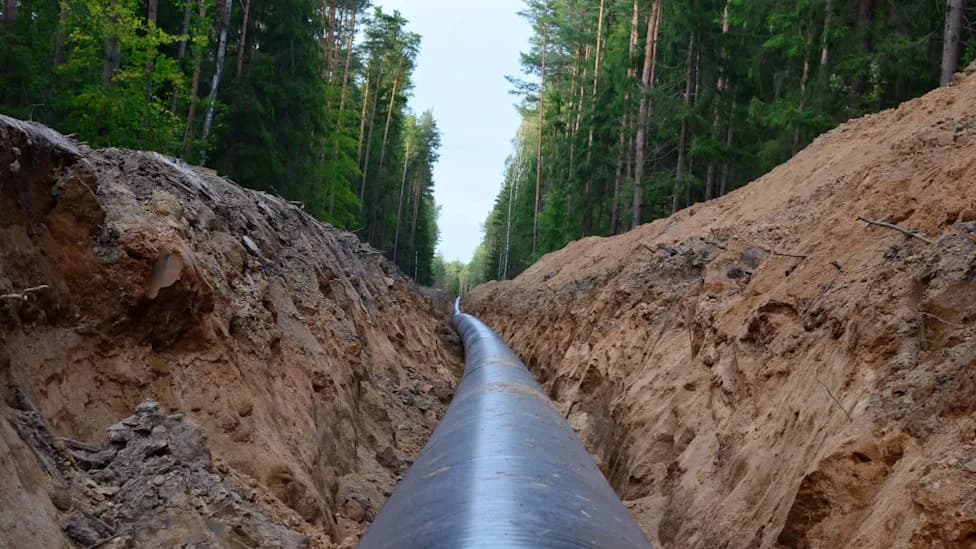
The planned line would connect with existing pipelines, cross 10 Mississippi counties and include new compressor stations in Humphreys, Attala and Lauderdale counties. Federal regulators estimate the pipeline could transport up to 1.5 billion cubic feet of gas per day. Kinder Morgan has said the $1.7 billion project would create about 750 temporary construction jobs and 15 permanent positions.
Regulatory Review
In its final environmental review published in June, FERC concluded the project would cause "some limited adverse environmental impacts," but determined that required mitigation measures would make those impacts "less than significant." The agency's upcoming ruling could either allow the project to proceed, impose conditions, or require changes before construction can begin.
Tribal, Environmental and Landowner Concerns
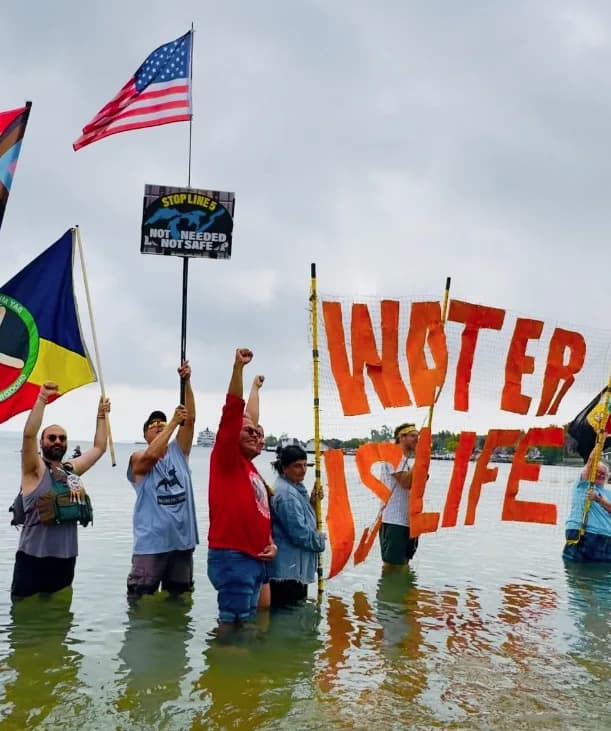
The Mississippi Band of Choctaw Indians has raised objections about the route's proximity to tribal land and the Pearl River, and has said it was not adequately consulted about potential impacts to cultural resources. A March letter from the Bureau of Indian Affairs similarly stated the companies had not sufficiently consulted the tribe and noted the proposed route overlaps tribal land in Leake County.
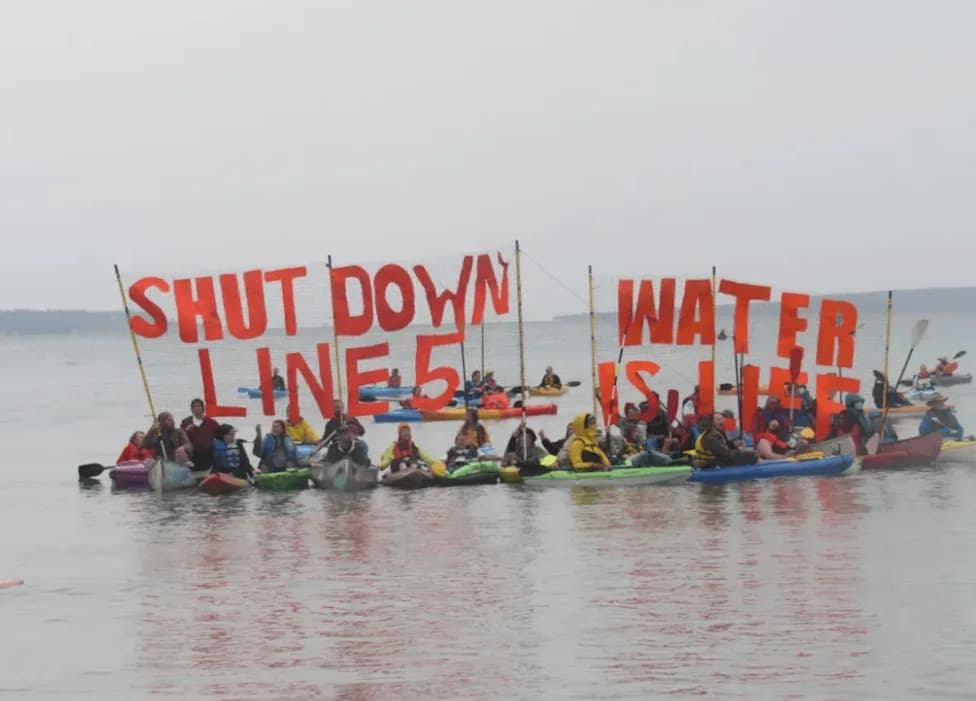
Environmental groups warn the pipeline's proposed path would cross more than 2,000 water bodies, which they say could irreparably harm wildlife habitat and water quality. Opponents also argue that expanding gas infrastructure risks locking in long-term dependence on fossil fuels at a time when cleaner energy options are becoming cheaper and more widely available.
Landowners along the route face the possibility of eminent domain; some have negotiated route changes to reduce impacts. One property owner noted a successful reroute to lessen damage.
'At the end of the day, we feel like we were not properly consulted,' said Melanie Carson of the Mississippi Band of Choctaw Indians.
'It's going to happen, so let's make the best of it,' said landowner Tony Kinton.
What Happens Next
If FERC approves the project, the companies would be closer to starting construction. If the commission rejects the application or imposes conditions, the companies may need to address outstanding concerns, provide additional consultation with the tribe, or revise the route and mitigation plans.
Bottom line: The impending FERC decision will shape whether this large, contested energy project advances now, is delayed for further review, or returns to the drawing board to resolve tribal, environmental and landowner concerns.
Help us improve.