Daniel Murphy, 32, believed he was taking research-backed SARMs from Paradigm Peptides but later learned the pills were adulterated with testosterone, which a psychiatrist linked to steroid-induced psychosis. Paradigm’s owner, Matthew Kawa, was jailed for five years and 10 months for selling unapproved and misrepresented medicines; his sister received a shorter sentence. The FDA had warned the company since 2020, seized products in September 2023, and found testosterone in tests. The case highlights dangers in an unregulated online market that reportedly affects tens of thousands of consumers.
Man Took ‘Research-Backed’ Online Supplement — It Contained Testosterone and Triggered Psychosis; Owner Jailed

Daniel Murphy went from being a loving husband to a man who believed his family wanted to kill him [Daniel Murphy]
Summary: Daniel Murphy believed he was taking safe, research-backed SARMs to build muscle. Over two years his mental health collapsed into a steroid-induced psychosis after the pills he took were later found to have been adulterated with testosterone. The company behind the products, Paradigm Peptides, has been prosecuted and its owner jailed.
What Happened
Daniel Murphy, 32, purchased what he thought were SARMs from Paradigm Peptides to help him bulk up after a major weight loss. Unknown to him, the daily pills were mixed with testosterone — a potent steroid that can cause serious physical and psychiatric side effects when taken without medical supervision. Over roughly two years his behaviour changed dramatically: insomnia, mania and ultimately a full-blown psychosis in which he believed close family members were trying to harm him.
Legal Action and Sentencing
Paradigm Peptides, a multimillion-pound US-based company that sold products worldwide, was prosecuted after regulatory scrutiny. Owner Matthew Kawa admitted selling unapproved medicines, misrepresenting their origin and purity, falsifying certificates of analysis and illegally importing products; he was sentenced to five years and 10 months in prison. His sister, Jennifer Stechkober, received a prison term of one year and four months after pleading guilty to similar charges.
How The Products Were Misrepresented
Paradigm’s website claimed products were manufactured in the US and "stringently" tested for efficacy, purity and potency. In reality, many items were imported from China, India and other countries, were never tested, and had falsified documentation. When the US Food and Drug Administration (FDA) seized and analysed samples in September 2023, regulators found the supplements were contaminated with synthetic testosterone.
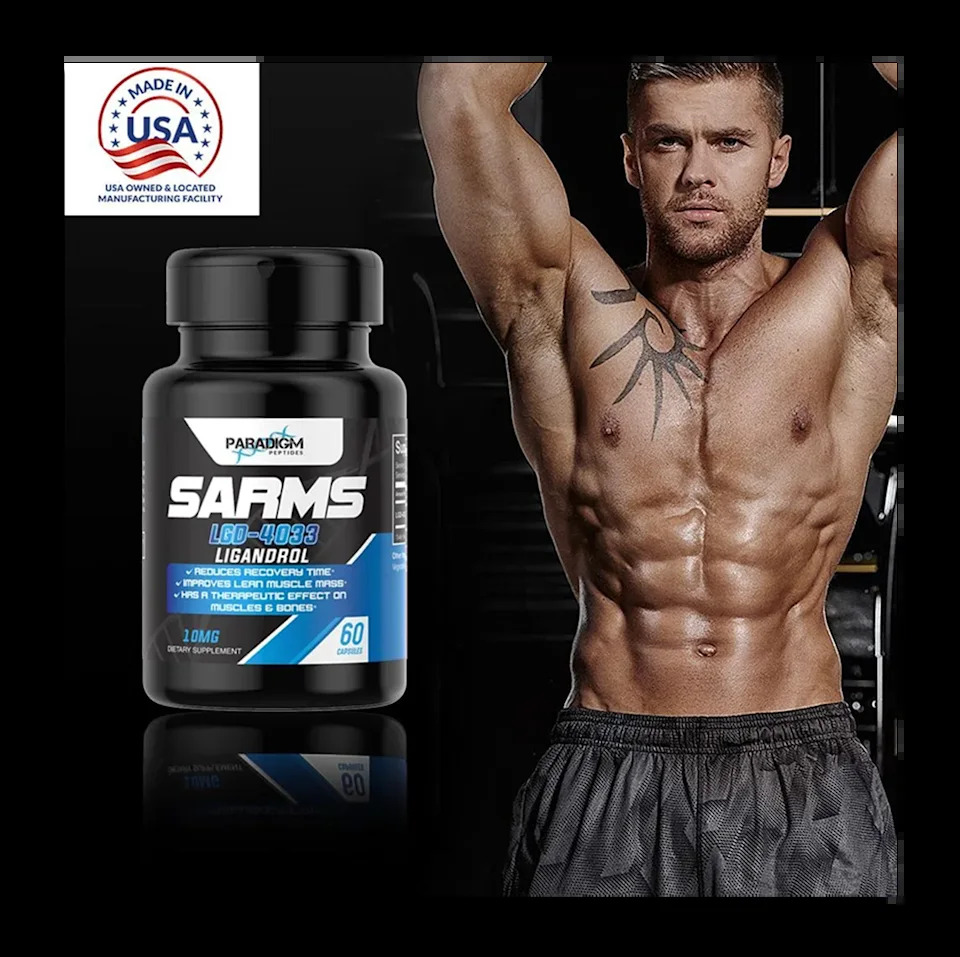
Advertisments for Paradigm Peptides's SARMs claimed the supplements were made in the US [BBC]
Health Risks
Testosterone, when prescribed and supervised by doctors, can be medically appropriate for certain conditions. But unsupervised use of synthetic testosterone can cause liver injury, cardiovascular and respiratory problems, infertility in men, increased cancer risks and severe psychiatric effects, including mania and psychosis. Consultant psychiatrist and pharmacologist Dr Erik Messamore gave evidence that Murphy’s symptoms were consistent with steroid-induced psychosis.
Timeline
Murphy began taking the products in January 2023 and initially experienced increased energy and longer workouts. Over the ensuing months his sleep and mood deteriorated and by late 2024 his personal and professional life had unraveled. He ran out of the product in December 2024 and began to recover; in February 2025 he learned the pills had been adulterated with steroids. The FDA had issued warning letters to Paradigm since 2020 and seized products for testing in September 2023; the business was shut down several months later.
Wider Impact
The case is one of the largest to expose risks in a largely unregulated market for peptides and experimental compounds marketed online. Some 54,000 consumers are listed in litigation tied to Paradigm Peptides. To date 167 victims have come forward seeking a combined $78,317 (approximately £58,169) in compensation; other reported harms include blood clots, heart problems, anxiety and depression.
Expert Warnings
Adam Taylor, professor of anatomy at Lancaster University, warned that these risks are global. Products marketed for research or “not for human consumption” are nonetheless widely promoted on social media and sold directly to consumers, often bypassing pharmaceutical quality controls. Sellers frequently promote substances such as BPC-157, GHK-Cu and TB-500 as cures for muscle, recovery or skin problems despite no approval for human use.
"People may be getting additional side effects or different results that they can't explain when what’s in the product isn’t what they were told," Taylor said.
Victim’s Voice
Murphy says he has recovered and no longer takes supplements. He warns others: "I was gambling my health, my family and, in many respects, my life. Never again." He hopes speaking out will prevent others from trusting unverified online sellers.
Takeaway: Online wellness products marketed as research-backed or "dietary supplements" can be adulterated, mislabeled or unsafe. Consumers should exercise caution, look for regulated medical oversight, and report suspicious products to health authorities.
Help us improve.