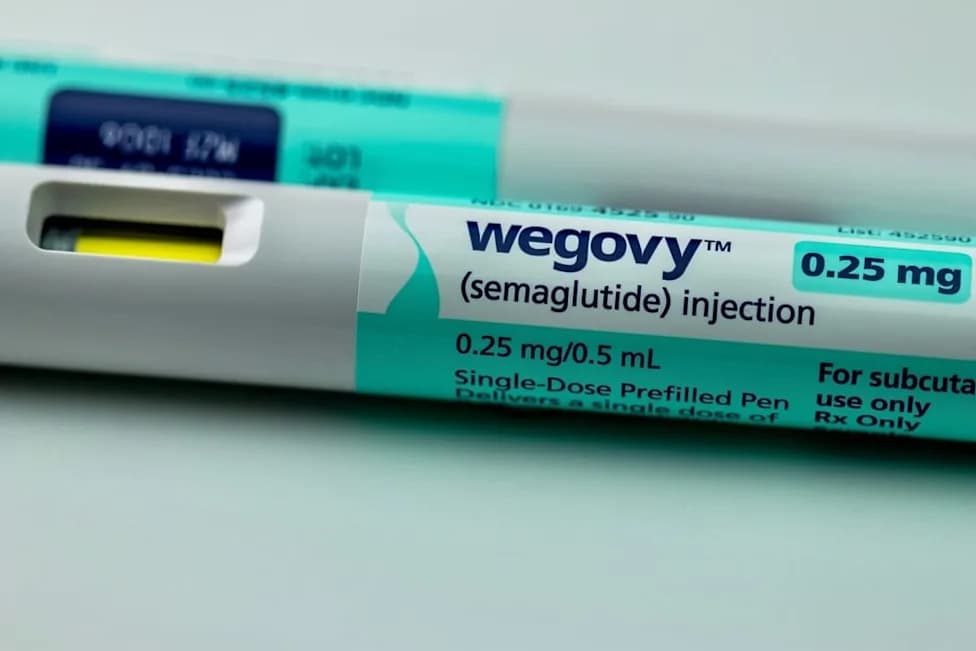
The VA has launched the CRAVE trial to determine whether semaglutide (the GLP‑1 active ingredient in Ozempic and Wegovy) can reduce alcohol consumption among veterans with moderate to severe alcohol use disorder. The randomized study will enroll over 600 veterans aged 18–80 at 18 VA centers, administering weekly semaglutide or placebo and monitoring outcomes for 24 weeks. The trial is expected to finish in spring 2027; the VA cautions veterans not to self‑medicate and points to existing evidence‑based treatments while research is ongoing.
Could a Weight-Loss Drug Treat Alcohol Use Disorder? VA Launches Nationwide CRAVE Trial

Marines with Alpha Company, Infantry Training Battalion, at Camp Pendleton, California, on July 9, 2026.
The Department of Veterans Affairs has launched a nationwide clinical trial to test whether semaglutide—the active molecule in popular GLP‑1 weight‑loss drugs—can help treat alcohol use disorder (AUD) among veterans.
The study, called the Cessation or Reduction of Alcohol Consumption in Veterans (CRAVE) trial, will screen more than 600 veterans with moderate to severe AUD and follow enrolled participants for 24 weeks. Veterans aged 18 to 80 will receive weekly injections of either semaglutide or a placebo. Researchers will measure changes in alcohol consumption, health outcomes and quality-of-life indicators at regular intervals. The trial is being conducted at 18 VA medical centers nationwide and is expected to conclude in spring 2027.
Why Semaglutide?
Semaglutide was developed to treat diabetes and is the active ingredient in drugs such as Ozempic and Wegovy. Beyond metabolic effects, GLP‑1 medications are being investigated for their impact on brain reward pathways and addictive behaviors. The VA cited a March 2024 study in the American Journal of Medicine that reported an association between GLP‑1 use and a reduced risk of developing substance use disorders, and lower risks among people already affected.
“This clinical trial reflects medical research that VA is uniquely situated to launch, and is aimed directly at benefitting veterans,” VA Secretary Doug Collins said. “By exploring emerging treatment options like the use of a GLP‑1 for alcohol use disorder, we aim to expand the tools available to help veterans take control of their health and recovery.”
Context and Cautions
Alcohol use disorder remains a major public‑health problem. The VA reports that more than 29 million Americans experienced AUD in 2022, and over 400,000 veterans have been diagnosed with the condition. A March 2024 American Journal of Medicine study found that high‑risk drinking increased following the COVID‑19 pandemic. The VA is also pursuing other experimental approaches: in May it launched a separate trial testing MDMA‑assisted therapy for people with AUD and post‑traumatic stress disorder (PTSD).
The VA emphasized that the CRAVE trial is only beginning and cautioned veterans not to self‑medicate with GLP‑1 drugs or substitute them for approved treatments. Evidence‑based therapies and several approved medications remain available to manage withdrawal symptoms and support recovery. Veterans interested in participating can find details on ClinicalTrials.gov or by contacting their local VA medical center.
What To Watch For: Results from CRAVE may shed light on whether semaglutide can become an additional tool for treating AUD, but definitive clinical guidance will depend on the trial's outcomes and subsequent peer review.
Help us improve.