Consumer advocates say ComEd’s $15.3 billion grid plan may include more than $1 billion in overstated, unjustified or misclassified costs. CUB flagged specific items — including $238 million tied to summer peak demand, $209.4 million for premature smart-meter replacements and $124 million in contested EV charging assumptions. The proposal is 21% larger than the version regulators rejected in 2023. The Illinois Commerce Commission is reviewing the plan; a draft order is expected in October and a final decision by year-end.
Watchdog: ComEd’s $15.3B Grid Plan May Contain Over $1B In Questionable Costs — Regulators Reviewing
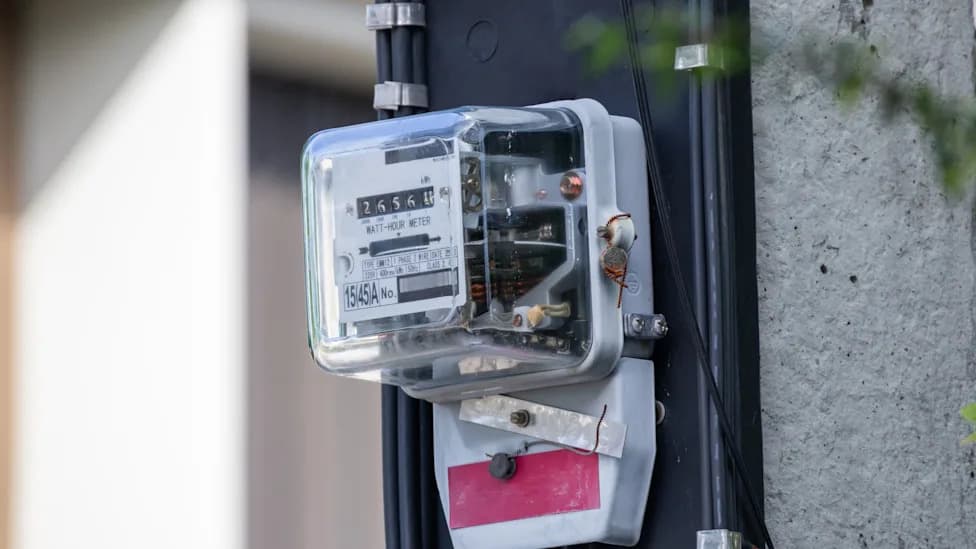
Photo Credit: iStock
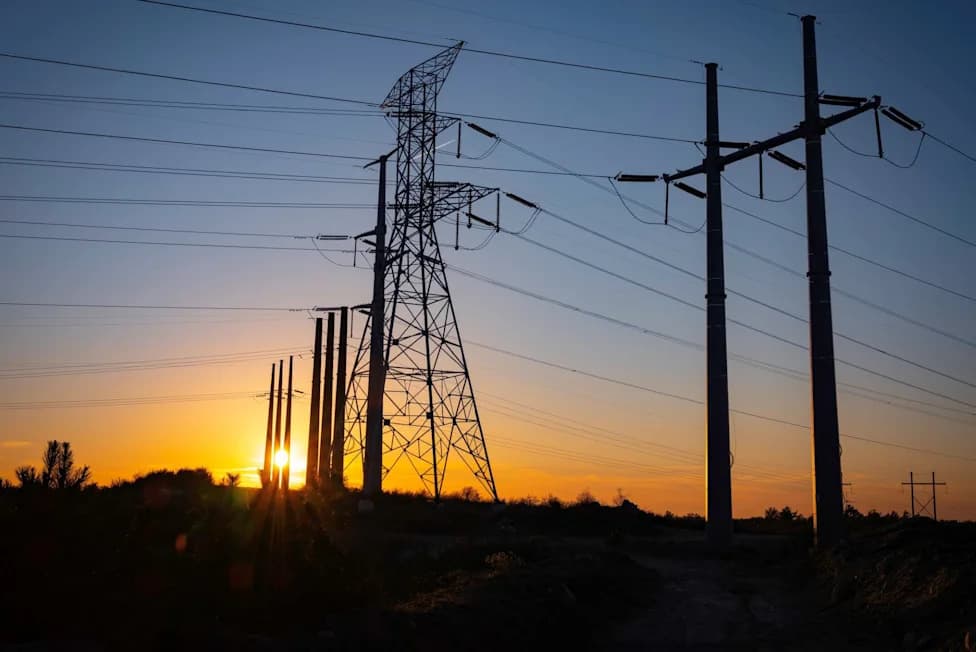
Illinois families already bracing for another round of steep summer power bills now face a fresh warning: consumer advocates say ComEd’s proposed $15.3 billion grid plan may include more than $1 billion in costs that deserve close scrutiny.
What the Watchdog Found
The Citizens Utility Board (CUB), in testimony filed with the Illinois Commerce Commission (ICC), identified multiple items it says are overstated, unjustified, or improperly categorized in ComEd’s four-year proposal. The filing alleges the plan is 21% larger than the version regulators rejected in 2023, when they concluded the utility had not proven affordability.
Key disputed line items include:
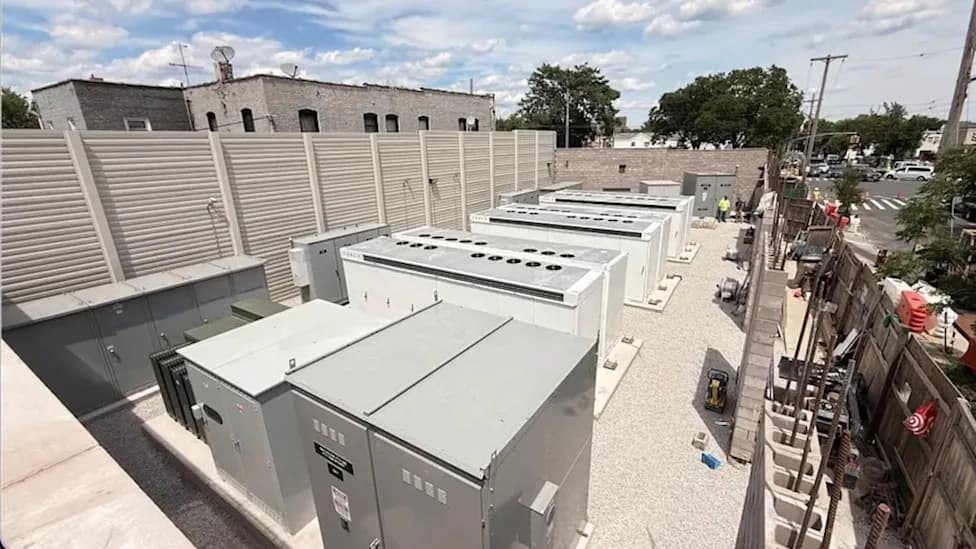
- $238 million — CUB says ComEd overstated investments tied to summer peak demand and overlooked lower-cost alternatives such as demand-response programs.
- $209.4 million — Spending to replace smart meters that CUB says are still functioning and not fully paid off.
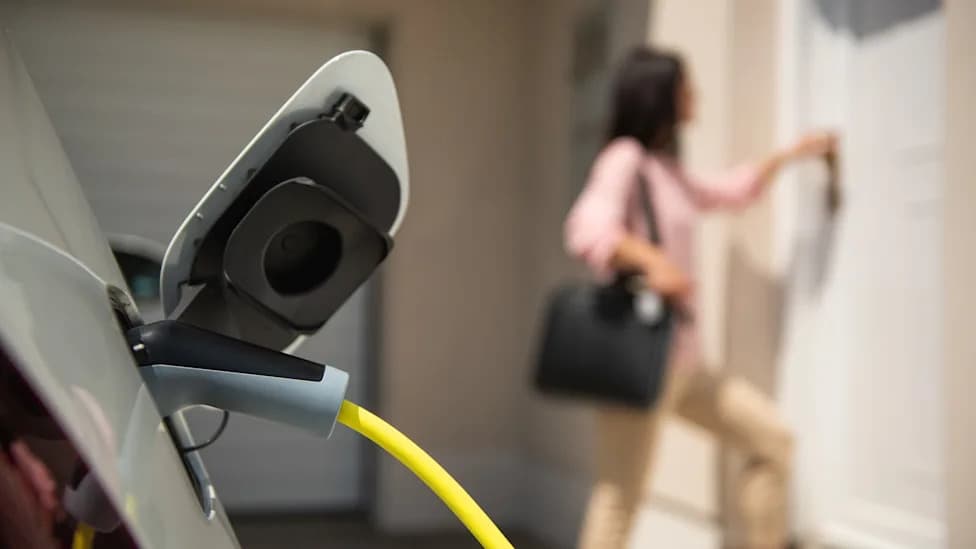
- $124 million — Assumptions driving electric-vehicle (EV) charging infrastructure costs that CUB contends do not hold up under scrutiny.
- $96 million (capital) and $18 million (operating) — Amounts ComEd placed in a "mandatory" category that CUB regards as discretionary; under the Climate and Equitable Jobs Act (CEJA), discretionary spending must be shown to deliver benefits that outweigh costs.
Exelon CEO Calvin Butler has said the company will protect customers "regardless of market conditions" and that large energy users would "pay their fair share." CUB argues, however, that some expenses were hidden in mandatory categories to avoid stricter review under CEJA.
Why It Matters
Because ComEd is a regulated monopoly, any spending increases approved by the ICC could raise monthly bills for families and small businesses. That risk comes as many households already face higher costs for housing, groceries and summer cooling.
Consumer advocates say grid upgrades can be necessary but insist that ratepayers should not shoulder the cost of oversized budgets, premature equipment replacements or planning based on worst-case scenarios.
Regulatory Path Forward
Advocates have already launched formal challenges. In the prior proceeding, consumer groups trimmed roughly $2 billion—about a quarter of ComEd’s earlier plan—before regulators approved a reduced version. The ICC is reviewing the new proposal; a draft order is expected in October and a final ruling is due by year-end. Regulators will decide whether the proposed spending is necessary and whether large new power users should shoulder a greater share of the cost.
Bottom line: The ICC’s review will determine how much of the $15.3 billion plan becomes ratebase and, ultimately, whether Illinois customers face steeper bills to cover disputed costs.
Help us improve.