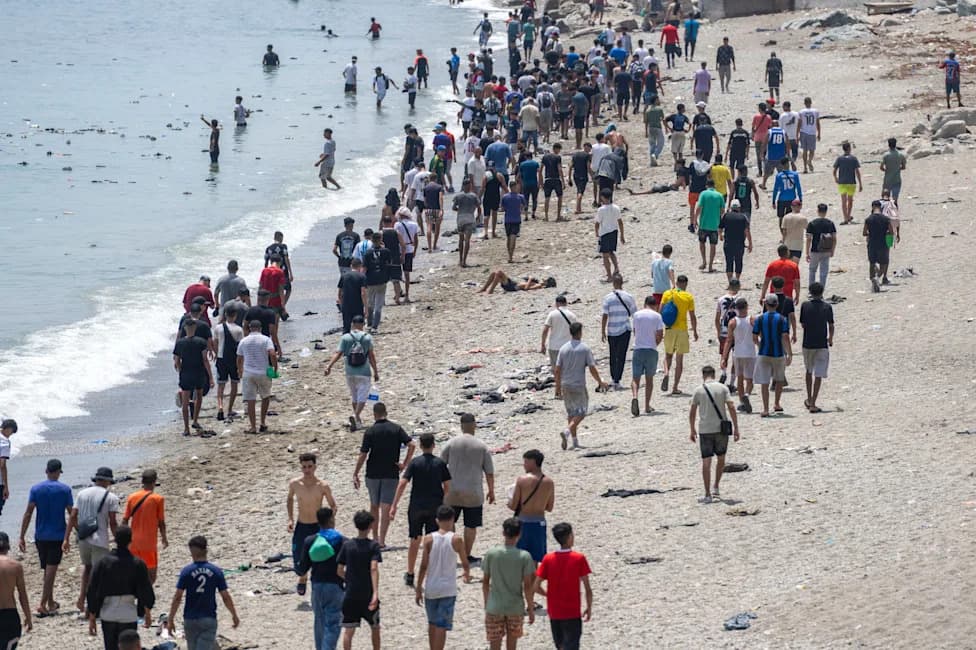
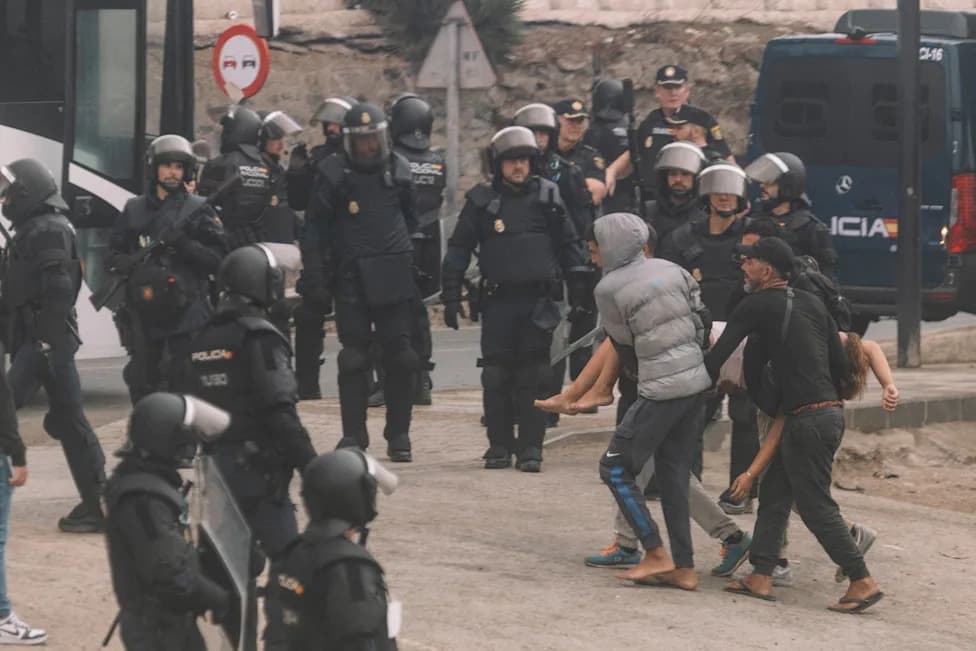
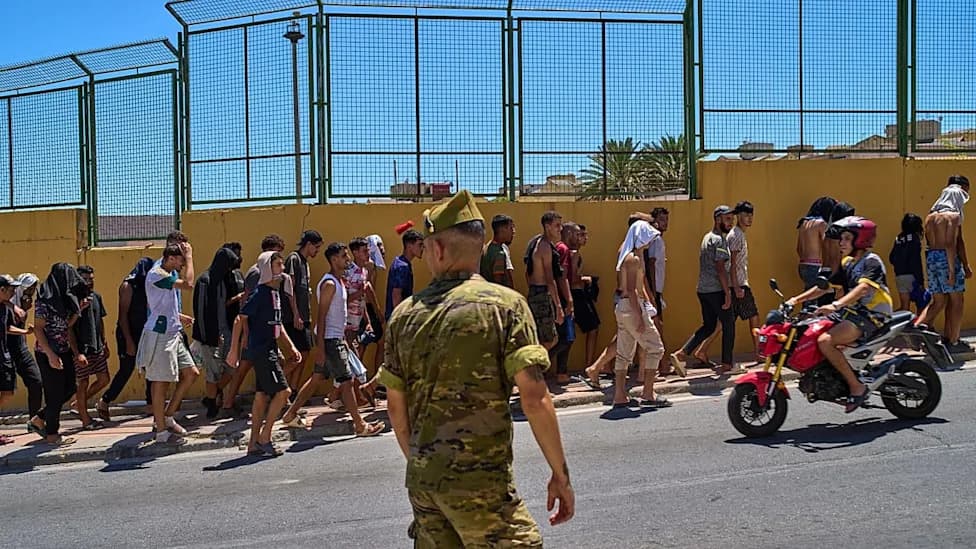
Spain's foreign minister, José Manuel Albares, said nearly all of the roughly 50,000 migrants who arrived in Ceuta have returned to Morocco, calling the situation effectively resolved. Albares stressed that Schengen's integrity was preserved and that reaching the Spanish mainland without ID remained impossible. EU Migration Commissioner Magnus Brunner confirmed on X that none had crossed to the EU mainland and said officials would stay in close contact. EU experts will meet Saturday and ambassadors on Monday to coordinate a response.
Spain Says Almost All 50,000 Migrants Who Reached Ceuta Have Returned To Morocco
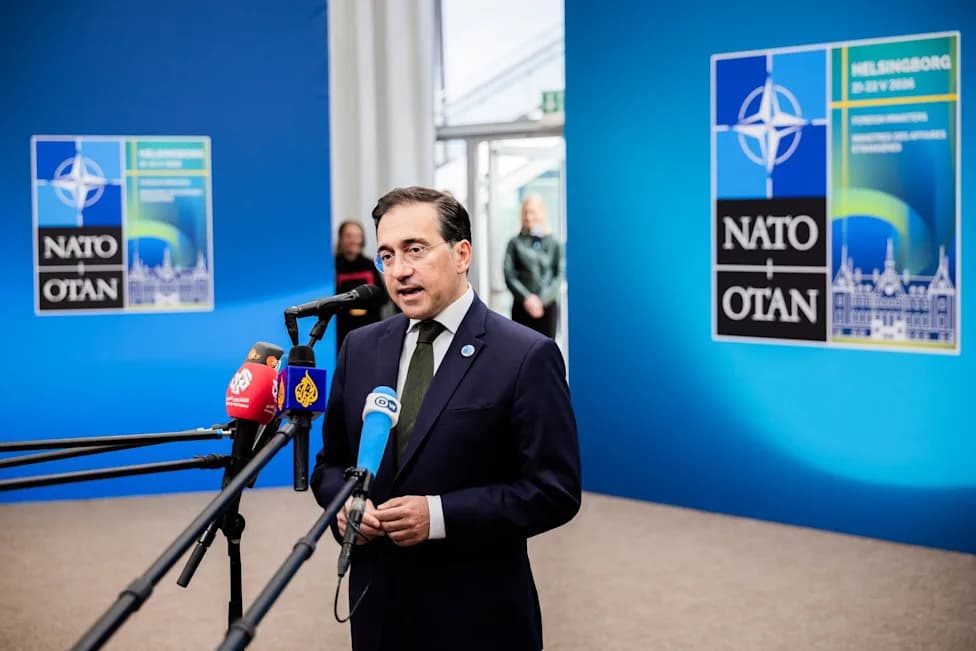
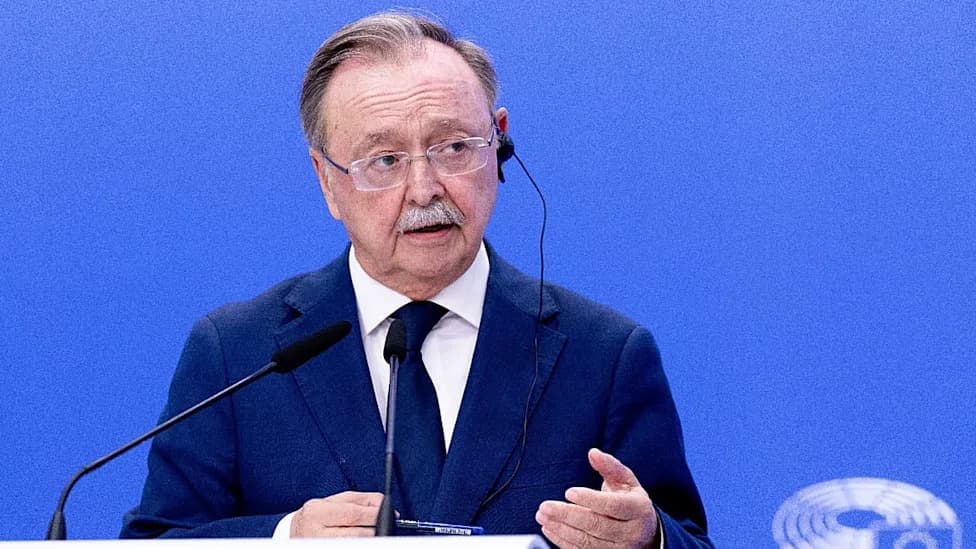
FILE PHOTO - José Manuel Albares Bueno, foreign minister of Spain, speaks to the press during the NATO foreign ministers' meeting. (is associated with: «Spain says nearly all migrants have left Ceuta») Christoph Soeder/dpa
Spanish Foreign Minister José Manuel Albares announced that nearly all of the migrants who arrived in the Spanish enclave of Ceuta have returned to Morocco, effectively declaring the episode over after an influx estimated at around 50,000 people.
“Almost all of those who had arrived in Ceuta have since returned to Morocco,” Albares wrote on X (formerly Twitter), describing the situation as resolved.
Border Controls and Schengen
Albares insisted that the integrity of the Schengen area has been preserved and reiterated that it remains impossible to reach the Spanish mainland without proper identification, responding to criticism from other EU member states about border control and freedom of movement.
“Practically all those who had entered Ceuta have returned ... Not a single person has crossed to mainland EU,”
EU Migration Commissioner Magnus Brunner posted on X that Albares had told him by phone that the arrivals had largely returned and that the two officials would remain in close contact to monitor developments.
Diplomatic Tensions and Next Steps
Albares also denounced what he called "interest-driven confusion" surrounding the events, without naming any specific government. Earlier reports said Italy had signalled it might temporarily suspend the Schengen agreement on free movement with Spain amid the tensions.
A spokesman for the Irish Council Presidency said experts from EU member states are due to meet on Saturday to review the situation, with a meeting of EU ambassadors scheduled for Monday to assess developments and coordinate any further action.
Outlook: Spanish and EU officials say the immediate crisis has eased, but diplomatic contacts and coordination meetings will continue as Brussels and member states seek clarity on how the mass arrival occurred and how to avoid similar incidents in the future.
Help us improve.