Europe's recent wildfires underline growing climate risks. Critics argue the UK's rigid net zero-by-2050 policy has raised energy costs, discouraged investment — exemplified by BP's North Sea exit — and will have limited impact given the UK's contribution of under 1% of global CO2. Kemi Badenoch urges a market-led approach focused on innovation, competition and adaptation, while others call for new North Sea licences and stronger support for commercialising green technologies.
Kemi Badenoch Challenges Net Zero: Calls For Market-Led Energy Strategy

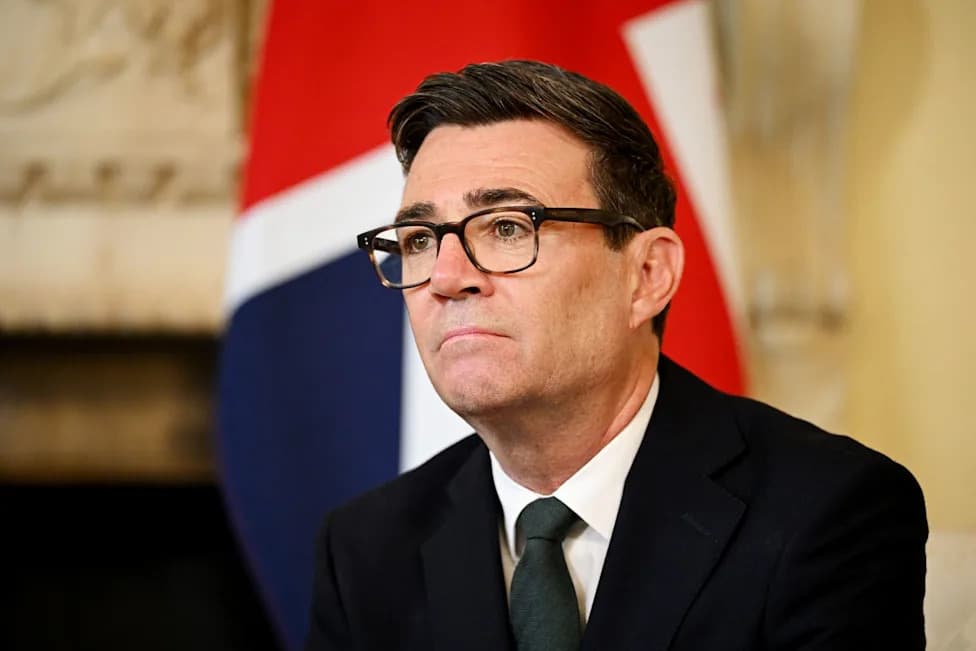
The Conservative leader has the right message on how we should adjust to climate change - Carl Court/Getty Images Europe
Europe is experiencing an alarming surge in wildfires — with flames pressing close to Bordeaux, edging into Madrid and scorching parts of the Cairngorms — a stark reminder that extreme weather events are increasing.
For nearly a decade successive UK governments have relied on a single policy response: net zero by 2050. The aim has been rapid decarbonisation to limit warming, but critics argue the approach has been inflexible, expensive and punitive for households and businesses — and that, on its own, it will make only a marginal difference to global temperatures.
Commentators such as Tim Stanley and Ambrose Evans-Pritchard have noted the Conservative tradition of conserving nature, from Benjamin Disraeli to Margaret Thatcher. As Lord Frost observed, earlier leaders tended to balance environmental aims with the human consequences of policy, setting targets that were achievable and cost-effective.
Today, critics say an obsession with an inflexible net zero target has helped push UK energy costs toward the top of developed-world comparators, burdening firms and households. The economic impact is visible: BP's decision to exit parts of the North Sea was framed in part by the investment climate. When policy discourages investment, the country can lose jobs and tax revenue.
There is also a question of scale. As Allister Heath and others point out, the UK now accounts for under 1% of global CO2 emissions. To illustrate the disparity, between 2013 and 2020 China emitted more CO2 than the UK has emitted in total since 1750. Taken alone, Britain cannot reverse global warming — and some argue that costly unilateral actions have limited climate payoff.
Those concerns have prompted senior Conservative figures, including Kemi Badenoch, to call for a different approach. As she put it: "The best way to deliver cleaner energy and a better environment is not through state diktat, arbitrary deadlines and an ever‑expanding bureaucracy… it is through markets, innovation and competition."
Policy Alternatives And Practical Steps
Proponents of a market-led strategy recommend several practical measures:
- Issue new North Sea licences where appropriate and provide clarity to investors about long-term policy.
- Reduce tax and regulatory burdens that deter domestic energy investment while safeguarding environmental standards.
- Encourage universities and research institutions to commercialise green technologies, creating exports and jobs.
- Prioritise adaptation measures and resilience—preparing infrastructure and communities for more frequent extreme weather.
- Use international cooperation and trade to amplify British innovations rather than relying on unilateral emissions targets.
Whether one endorses abandoning the net zero target or reforming its implementation, the core debate is about balancing environmental goals with economic resilience, innovation and pragmatic global engagement. The policy choices made now will shape both Britain’s competitiveness and its ability to influence international climate action.
Help us improve.