A Utah college microbiology lab exercise led students to misidentify a benign specimen as Neisseria meningitidis, triggering preventive antibiotics for 33 people and follow-up medical care for two individuals who had headaches. Subsequent testing identified the organism as Neisseria sicca, an ordinarily harmless species whose atypical carbohydrate fermentation led to misidentification. A joint investigation found weak inventory controls, poor supervision, inconsistent PPE use and inadequate documentation, prompting an overhaul of stockroom procedures and training.
Utah College Lab Mix-Up: Students Mistake Harmless Bacterium for Deadly Pathogen, Prompting Antibiotics and Spinal Taps

Stock image of a researcher in a labCredit: Getty
Students in a Utah college microbiology class expecting to identify a harmless specimen were instead led to conclude their sample was Neisseria meningitidis, a potentially deadly cause of meningitis, according to a U.S. Centers for Disease Control and Prevention (CDC) Morbidity and Mortality Weekly Report.
What Happened
For a routine lab exercise, the class received a specimen intended to be Providencia shigelloides, a bacterium associated with diarrhea when ingested. After performing standard classroom identification tests while wearing lab coats and gloves, every student reported results consistent with N. meningitidis. An inspection of the teaching stockroom freezer then turned up a vial labeled "N. meningitidis."

Stock image of a laboratoryCredit: Getty
Medical Response and Outcomes
Because handling N. meningitidis requires Biosafety Level 2 (BSL-2) practices and additional protective equipment beyond basic gloves and coats, public health officials recommended that all 33 people who handled the materials begin preventive antibiotic treatment; one person declined. Two people—a student and a household contact of an exposed staff member—developed headaches and sought medical care, which included lumbar punctures (spinal taps). Neither was diagnosed with meningococcal infection, and no other class members developed symptoms.
How the Error Was Discovered
Further testing revealed the organism was not N. meningitidis but Neisseria sicca, a species generally considered nonpathogenic in people with healthy immune systems. The strain behaved as an "atypical carbohydrate fermenter," meaning it did not metabolize sugars in the usual pattern used in routine classroom tests—this atypical profile led to the initial misidentification.
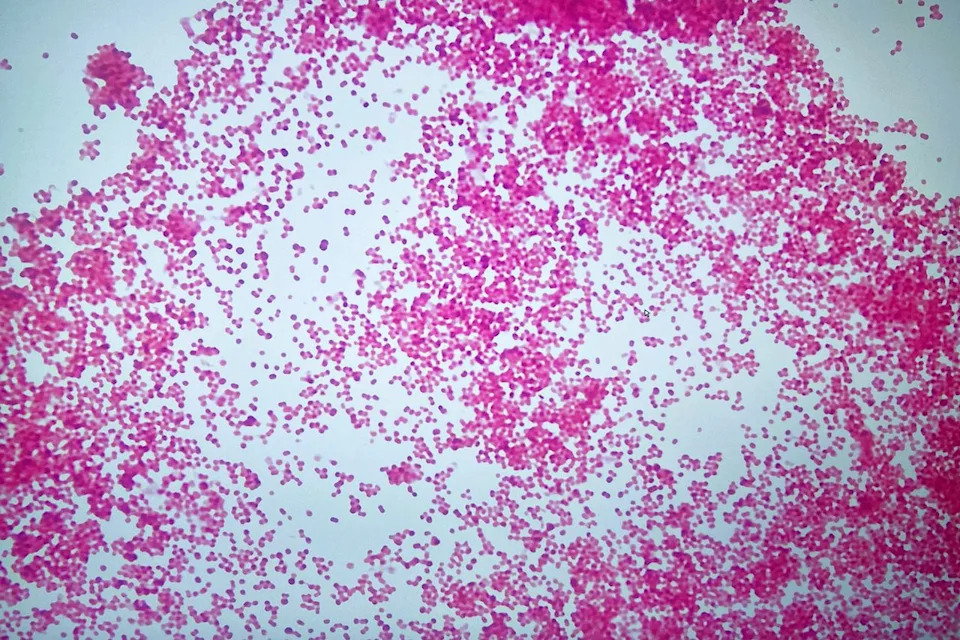
Neisseria meningitidis under a microscopeCredit: Getty
Investigation Findings
The joint investigation by the university and the Utah Department of Health and Human Services identified multiple procedural failures in stockroom and sample handling. Reported problems included inadequate inventory controls for identifying, labeling, storing and segregating biological materials; limited supervision of stockroom staff; inconsistent availability and use of appropriate personal protective equipment (PPE); and insufficient documentation of sample inventory, disposition and chain of custody.
Remedial Actions
Those findings prompted an overhaul of stockroom documentation, supervision and training protocols. The CDC emphasized that the mislabeling and handling errors resulted in unnecessary medical interventions—antibiotics and invasive diagnostic procedures—for people who were presumed to have been exposed to a dangerous bacterium.
Bottom line: A classroom misidentification and poor lab control practices triggered a full public health response, costly and invasive follow-up care, and corrective changes to safety and inventory management.
Source: CDC Morbidity and Mortality Weekly Report (MMWR); Mayo Clinic guidance on lumbar puncture.
Help us improve.