Pope Leo XIV has issued a new 25-article constitution for Vatican City State, replacing the 2023 charter. The reform formally allows non-cardinals to chair the Pontifical Commission, codifying a November 2025 practice and resolving a March 2025 gray area when Sister Raffaella Petrini led the Governorate. The constitution also clarifies the Governorate’s duties, reaffirms judicial independence and sets rules for financial and administrative procedures.
Pope Leo XIV Promulgates New 25-Article Vatican Constitution Allowing Non-Cardinals To Lead Legislative Commission
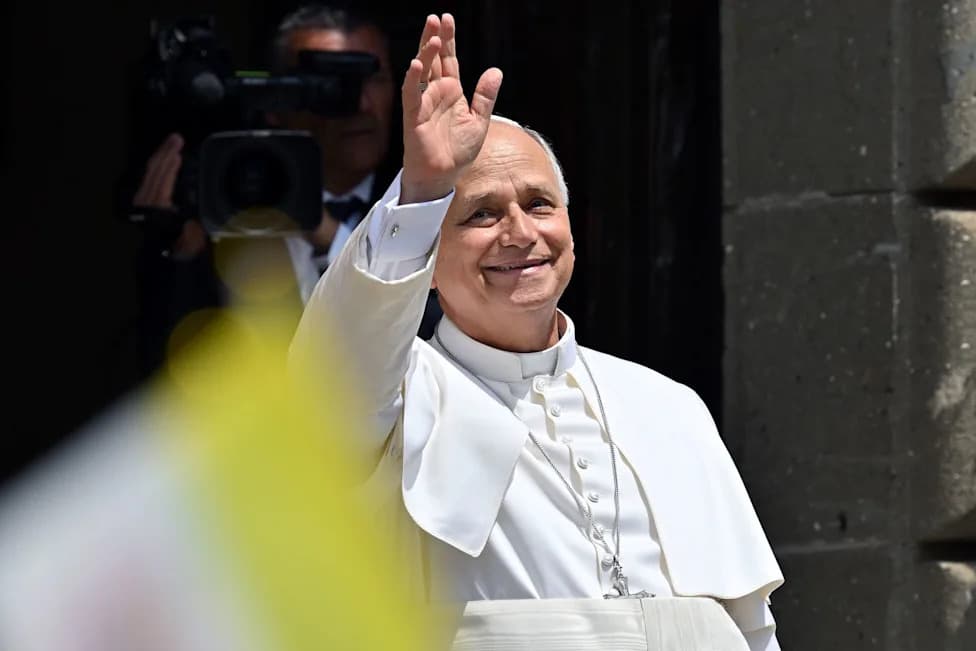
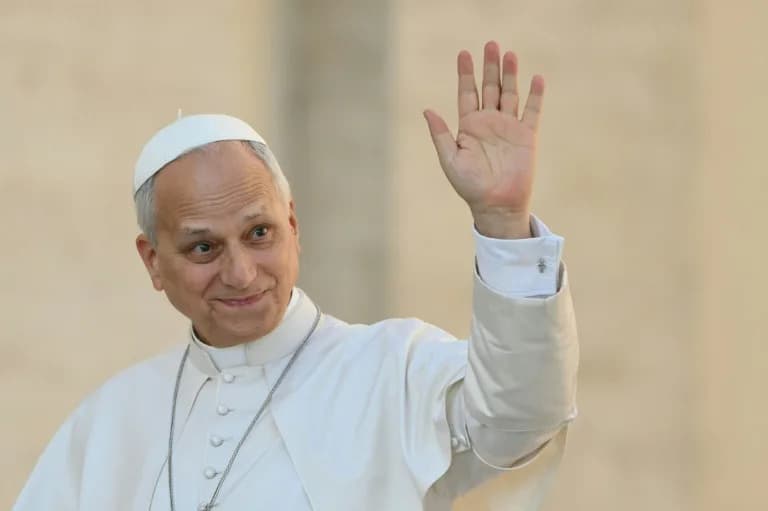
FILE PHOTO - Pope Leo XIV greets faithful at the end of the Angelus prayer in Castel Gandolfo near Rome. (is associated with: «Pope Leo gives Vatican new constitution, with roles for non-cardinals») Alessia Giuliani/IPA via ZUMA Press/dpa
Pope Leo XIV on Friday formally promulgated a new constitution for Vatican City State, replacing the charter introduced by his predecessor, Pope Francis, in 2023. The 25-article fundamental law is intended to align the Vatican's institutional structures with administrative and pastoral developments in recent years.
Main Changes
One of the most significant reforms removes the requirement that the chairmanship of the Pontifical Commission — the central legislative body of Vatican City State — be reserved exclusively for cardinals. That provision codifies a rule Pope Leo XIV had already put into practice in November 2025.
The update settles a legal gray area that emerged in March 2025, when Sister Raffaella Petrini assumed leadership of the Governorate of Vatican City State and, in practice, the commission’s chair despite not being a cardinal. The Governorate is the civil administration responsible for the day-to-day governance of the tiny state within Rome.
Clarified Roles and Safeguards
The new constitution clarifies the responsibilities of the Governorate and defines how its senior officials should cooperate. It also underscores the independence of the Vatican judiciary and establishes clearer rules for financial administration and other state procedures.
As before, the pope — as sovereign of Vatican City State — retains supreme legislative, executive and judicial authority, but the revised law formalizes internal procedures and leadership structures to reflect recent practice and to increase institutional clarity.
What this means: The change opens top-level administrative leadership to qualified non-cardinals, resolving procedural ambiguity and reinforcing governance and financial transparency within the Vatican’s civil institutions.
Help us improve.