As the 2026 fair season approaches, states are tightening livestock biosecurity in response to recent threats such as New World screwworm and HPAI. Pennsylvania will notify fair managers about active HPAI control areas and limit exhibitions tied to infected zones, while Illinois requires a recent negative Influenza A test for lactating dairy cattle entering its state fair. Federal and extension services have published checklists and toolkits, and organizers are urged to adopt formal, widely shared biosecurity plans.
States Tighten Livestock Biosecurity Ahead Of 2026 Fair Season
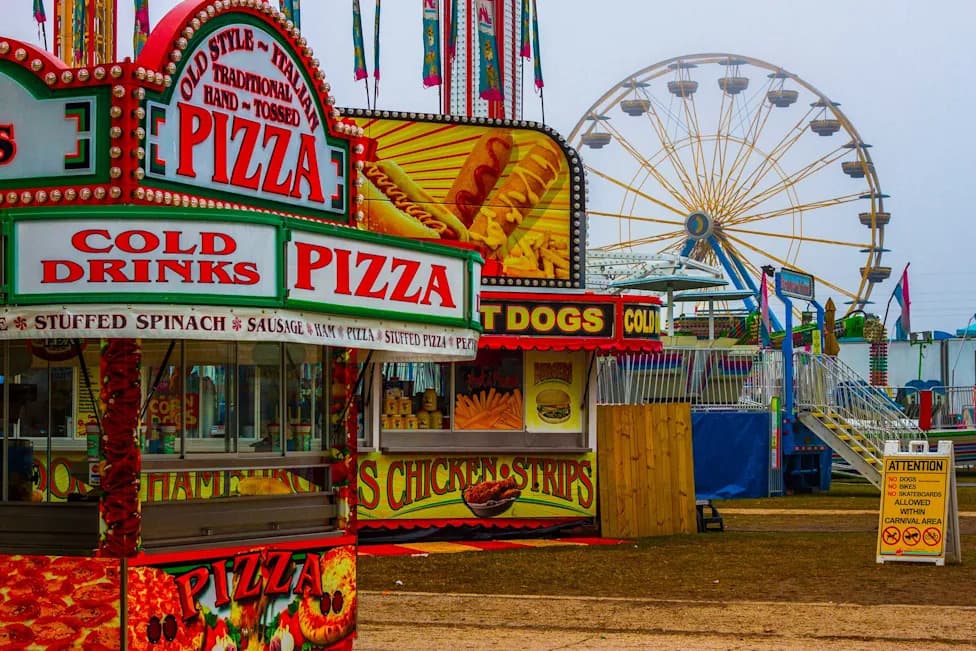
The Orange County Fair in Florida (Image by Pelow Media, Shutterstock)
As the 2026 state fair season approaches, state and federal officials are stepping up biosecurity measures to protect exhibition animals and the agricultural economy after a year marked by threats such as New World screwworm and Highly Pathogenic Avian Influenza (HPAI).
Pennsylvania is emphasizing awareness of HPAI within fair exhibition zones. For 2026 the Pennsylvania Department of Agriculture clarified that the exhibition of market birds, non-poultry hatchlings and eggs may be permitted only if neither the source flock nor the venue is located within an active HPAI control area, or on premises with a dairy herd infected with HPAI, at the time of exhibition. The department will notify fair managers at the start of the season about active HPAI control areas and provide updates as needed.
Illinois is likewise focused on HPAI and related viral risks. Exhibitors have been directed to follow updated USDA guidance. In addition, lactating dairy cattle exhibited at the Illinois State Fair must have a recent negative Influenza A virus test before entering the fairgrounds.
Why Timing Matters
Most state fairs reach peak activity in July and August, though exact dates vary by state. Fairs remain celebrations of agriculture, but in 2026 many events are also being treated as critical control points to prevent disease spread, protect animal industries and safeguard public health.
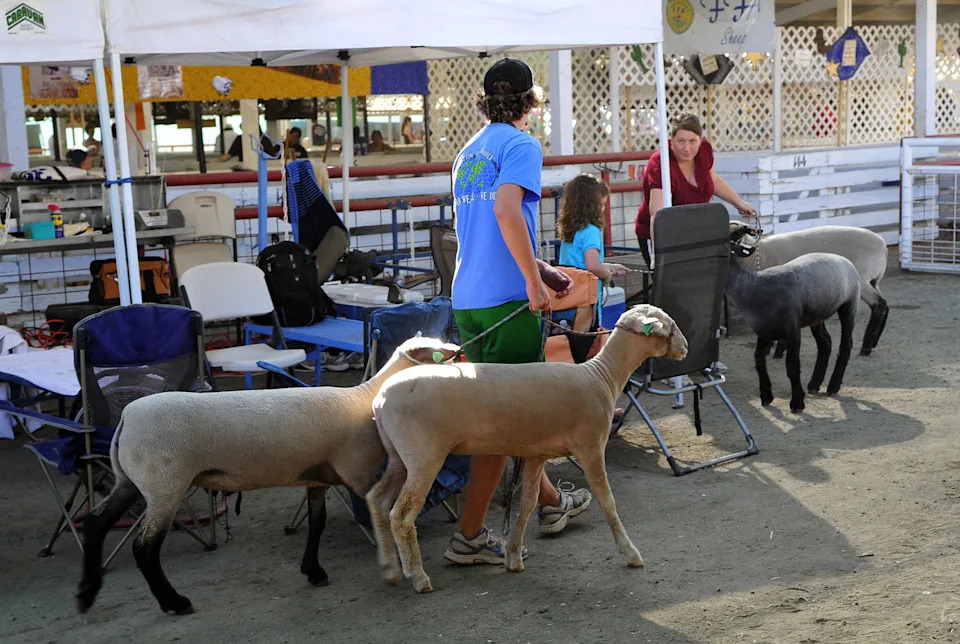
Image by Richard Thornton, Shutterstock
Federal And Extension Support
The U.S. Department of Agriculture and extension services, including Kansas State Extension, have published checklists and toolkits for exhibitors and attendees to help reduce contamination and transmission of pathogens at events. Those resources reinforce state guidance and offer practical steps that fair organizers and exhibitors can implement.
Past Disruptions And The Stakes
There is precedent for strict action: major components of fairs were canceled due to disease outbreaks in Arizona (2011), Missouri (2020) and Washington (2022). Kansas State University warns that animals shown at fairs can be exposed to both common regional diseases and foreign animal diseases (FADs). A contagious disease that causes severe illness can disrupt an event and have broader impacts on local livestock industries and regional economies.
Practical Biosecurity Steps For Exhibitors And Organizers
Officials and extension programs are urging simple, effective measures to reduce risk. Recommended actions include:
- Cleaning and disinfecting equipment, stalls and animal areas frequently.
- Ensuring adequate ventilation in animal housing and display areas.
- Providing and encouraging frequent handwashing for handlers and visitors.
- Maintaining detailed records of animals, movements and contacts during the event.
- Communicating promptly with animal health and public health authorities about any illness or unusual signs.
Organizers should publish and share formal biosecurity plans with staff, exhibitors and attendees. In many states, some 2026 measures are not mere recommendations but requirements codified in state law or regulation.
These precautions aim to balance the agricultural tradition of fairs with the need to minimize disease risk so events can proceed safely.
Help us improve.