Rome’s €14 million renovation of Piazza Risorgimento has suffered major plant loss and unusable seating after an intense heatwave and insufficient irrigation. City officials say they will replace trees and upgrade watering systems while expanding broader heat-response measures, such as free cooling venues and hundreds of "water houses." The piazza’s problems illustrate the cost and complexity of adapting urban spaces to hotter, longer summers.
Dead Trees and Scorching Benches: Rome’s €14M Piazza Underscores Heat Adaptation Challenges
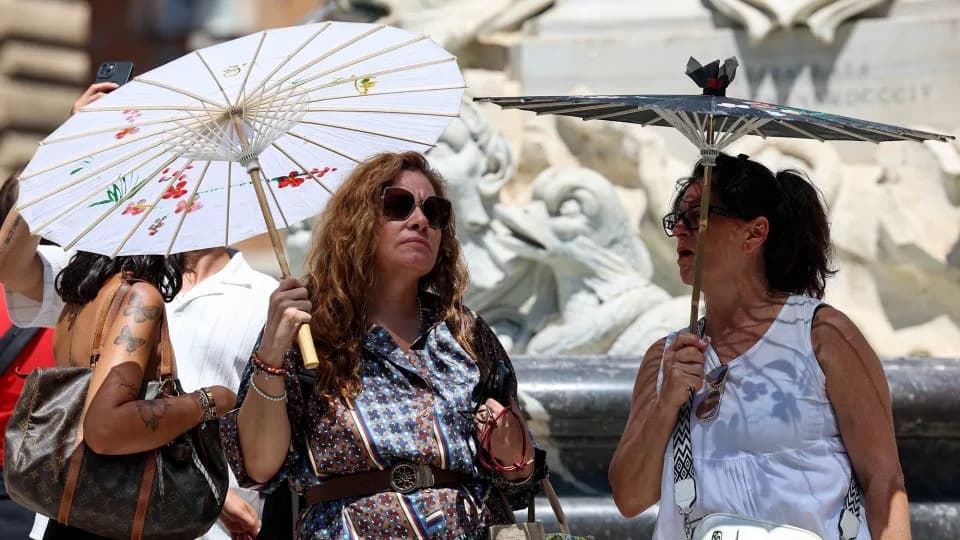
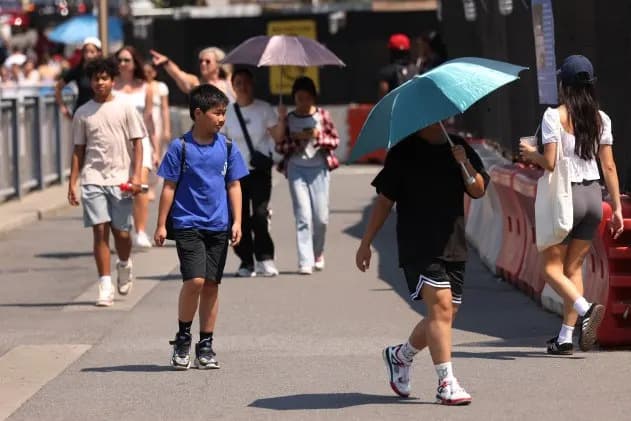
Tourists shield themselves from the sun near the Pantheon in Rome on July 10, 2026. - Xinhua News Agency/Getty Images
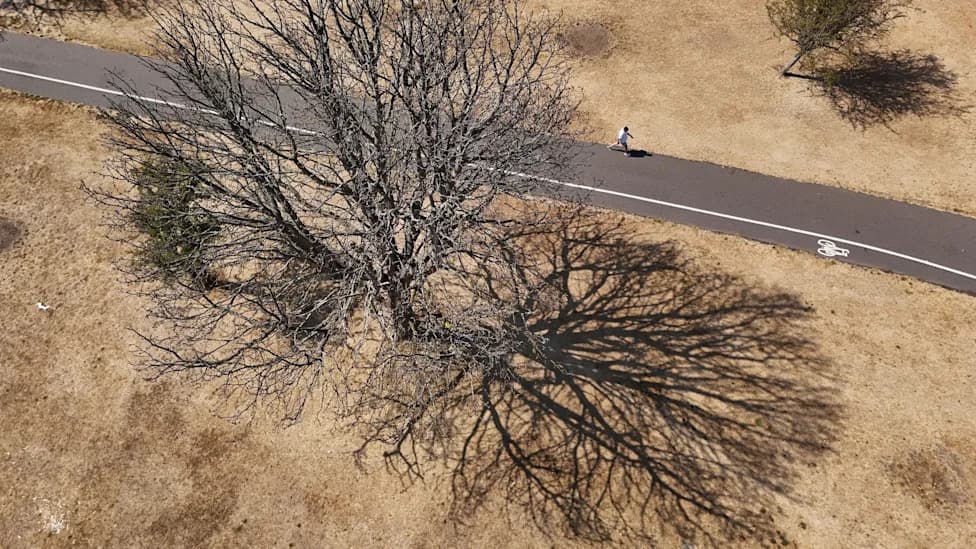
The recently revamped Piazza Risorgimento, beneath the shadow of St. Peter’s Basilica, was intended as a green, cooling oasis for locals and tourists. Instead, many of the newly planted trees have withered to blackened trunks, benches in dark wood and plastic become unbearably hot, and large planters stand largely bare after an intense heatwave and inadequate irrigation.
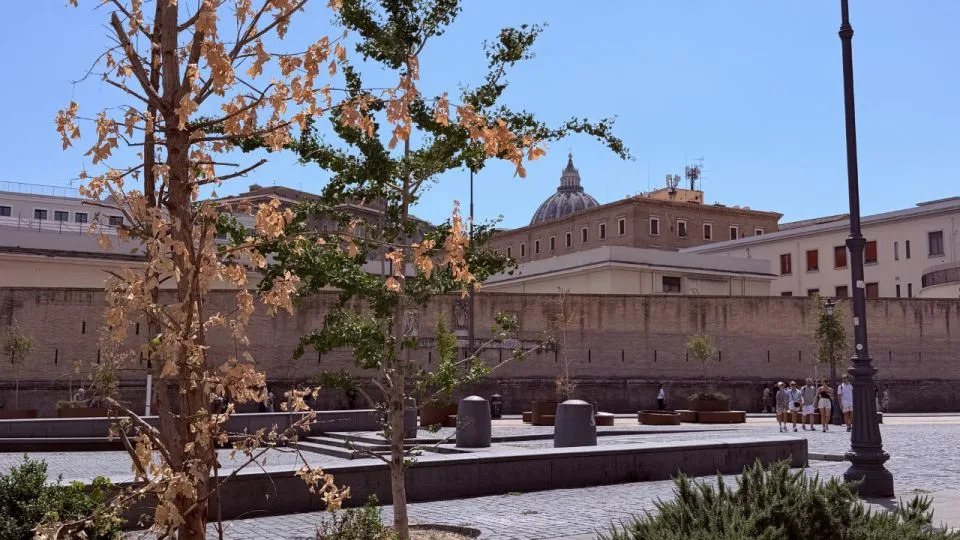
Withered trees in Piazza Risorgimento, Rome, Italy on June 27, 2026. - Barbie Latza Nadeau/CNN
The central square was redesigned in 2024 as part of a €14 million project ahead of the Vatican’s Holy Jubilee, promising fountains, generous seating and abundant shade. When CNN visited in late June, however, the site showed clear signs of heat stress and poor watering systems — problems city officials now say they will address by replacing failed saplings and upgrading irrigation infrastructure.
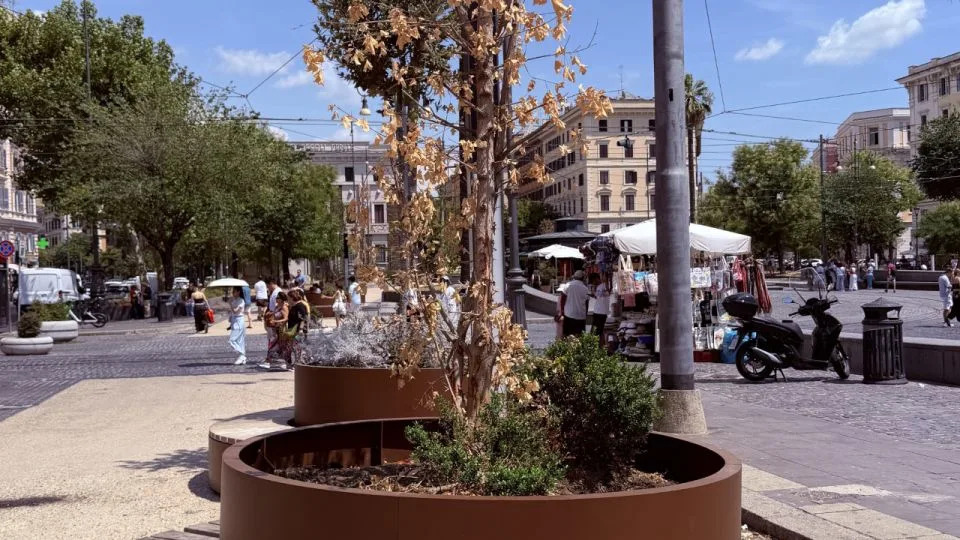
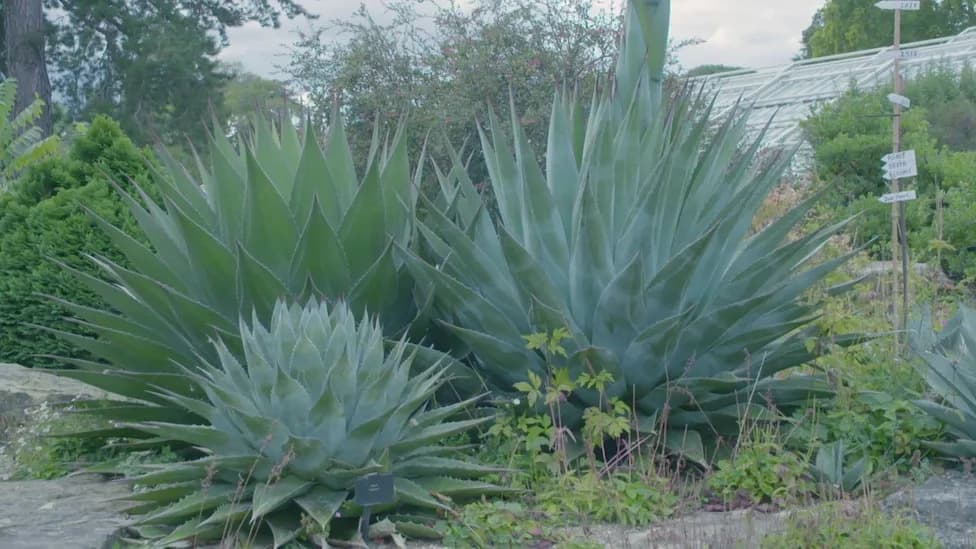
Dried-up plants in the piazza's planters, June 27, 2026. - Barbie Latza Nadeau/CNN
Officials Respond
Rome’s Climate Office director Edoardo Zanchini acknowledged the mistakes:
“We are constantly learning how to deal with the changing weather. We should have selected different trees for this piazza,” he told CNN, adding that planners must consider who uses the city during its hottest months — the elderly, children, residents and visitors.
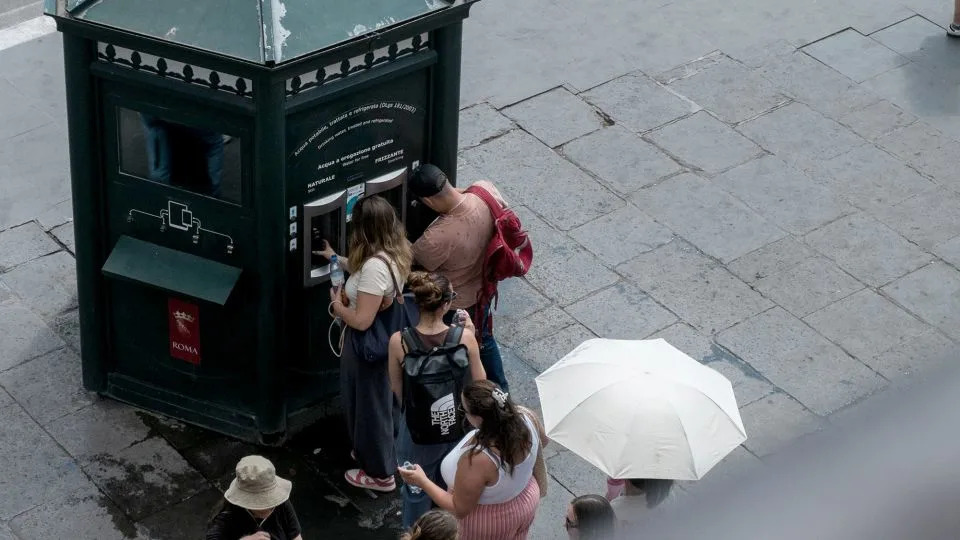
People line up to refill their water bottles at a public water dispenser near the Colosseum in Rome on July 4. - Andrea Ronchini/NurPhoto/Shutterstock
On the day after CNN published its video story, Councillor Sabrina Alfonsi posted footage of herself watering newly planted flowers and said the struggling plants were being tended. She also pushed back at criticism from right-wing opponents, calling it ironic that some critics who have denied climate change were now condemning the visible damage to public planting.
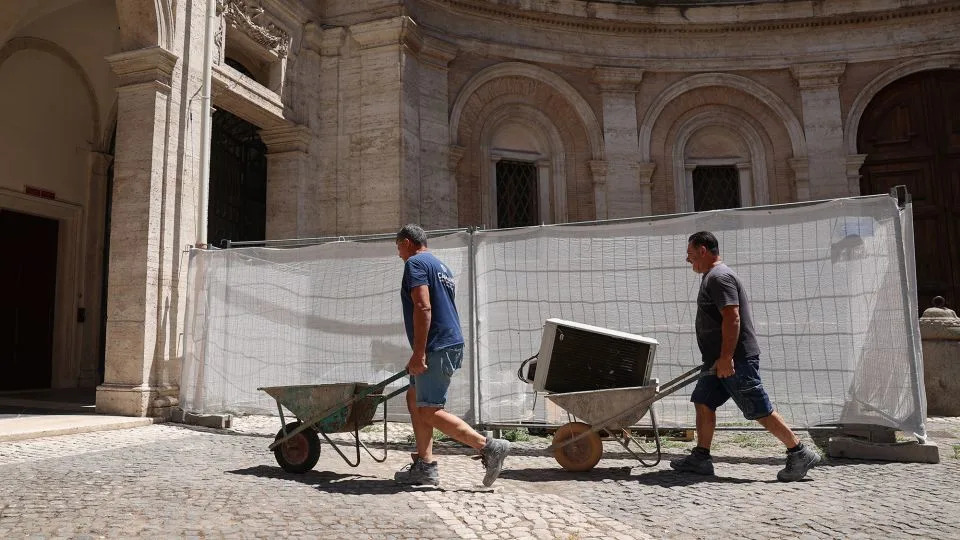
Construction workers carry air conditioning units in Rome on July 10. - Xinhua News Agency/Getty Images
Broader Context: Cities Adapting to More Extreme Heat
Rome’s troubles at Piazza Risorgimento reflect a wider challenge across Europe: heatwaves are arriving earlier, lasting longer and intensifying. The city has pledged roughly €50 million over the next five years to create cooling spaces for vulnerable people, including the homeless, families and those who lack air conditioning.
Only about 56% of Italian homes have any form of cooling, prompting city initiatives such as free daytime access to movie theaters and hundreds of newly installed “water houses” — small green kiosks that dispense free still and sparkling water and offer phone-charging stations. These modern kiosks echo Rome’s 19th-century cast-iron nasoni fountains, which historically supplied free water across the city.
Visitor experience is changing: some tourists now sightsee early or late to avoid the heat, and major attractions including the Pantheon and Colosseum have expanded evening hours. Not all proposed solutions have taken root; a planned trial of a large bioclimatic steel "tree" at the main train station was dropped amid concerns about cost and aesthetics.
Despite setbacks, officials stress continued commitment to adaptation. As Zanchini put it:
“It’s a challenge we have no choice but to combat. We learn from the ancient Romans who used shade and water — and we must apply both traditional and new strategies.”
Observation Date: CNN reporters recorded withered plantings and heat-related damage at Piazza Risorgimento on June 27, 2026.
Help us improve.