Summary: Global conflicts and fossil‑fuel pollution have intensified an energy and climate crisis. The Abundance movement's supply‑centric approach risks overbuilding clean generation and missing high‑impact consumer solutions. Prioritizing electrification and efficiency—heat pumps, LEDs, EVs, thermal batteries and virtual power plants—delivers more useful services with less raw energy, improves affordability and resilience, and strengthens domestic security. Policy, finance and workforce reforms are needed to scale these solutions.
Energy Abundance Isn't the Same As Abundant Energy — Efficiency and Electrification Are the Game Changers

We are living through an energy hellscape.
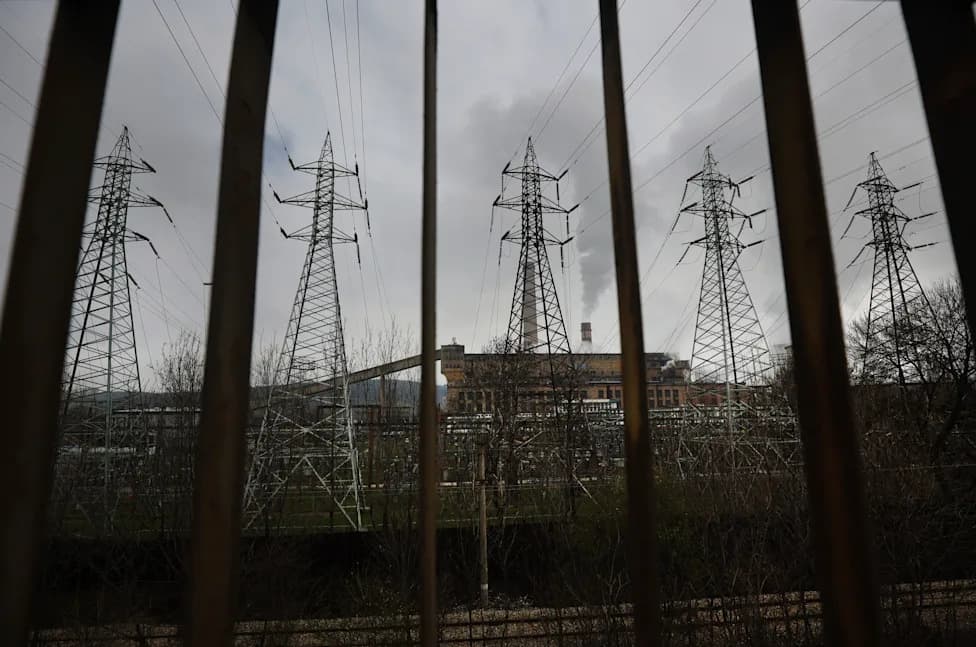
Conflicts tied to Iran and Ukraine have pushed global energy prices higher, with cruise missiles striking oil tankers and drones attacking both the still‑radioactive Chernobyl site and operational nuclear plants in several countries. Less visible but equally deadly, local air pollution from fossil fuels contributes to roughly one in five deaths worldwide. This summer's record European heat wave claimed an estimated 14,000 lives, caused about $2 billion in crop losses, and precipitated wildfires that forced the evacuation of more than 300,000 people. Meanwhile, misinformation, misdirected subsidies and weak policies continue to drive emissions upward.
Why the Abundance Narrative Falls Short
The emerging Abundance movement—popularized by writers such as Ezra Klein and Derek Thompson—imagines plentiful, secure and clean energy for everyone. The vision is compelling, but too often its advocates offer a thin implementation plan and lean heavily on supply expansion as the primary solution.
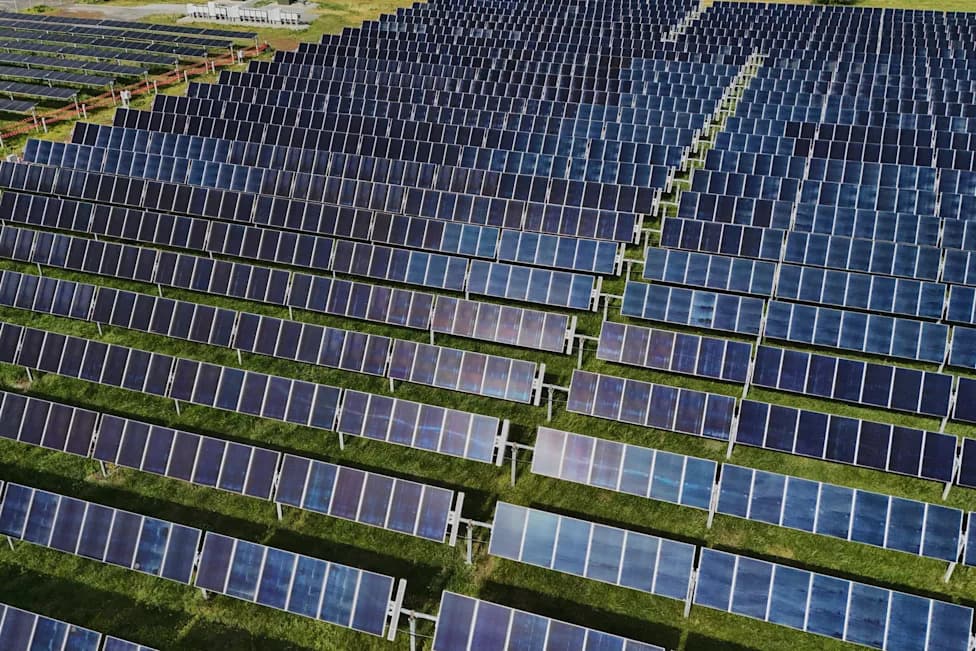
That supply-side focus can reinforce false trade-offs and overlook high-impact consumer-side strategies. For example, moving agriculture indoors to factory-style farms may sound sustainable until you consider the energy cost: producing the same harvest indoors can demand orders of magnitude more energy and much larger solar arrays than outdoor farming. Overbuilding clean generation to meet such inefficient uses squanders money and invites environmental harm.
The Primary Energy Fallacy
Another mistake is treating raw energy as equivalent to useful energy—a misconception energy experts call the primary energy fallacy. The gap between the two is large. Roughly two-thirds of the energy in fossil fuels is lost—mainly as waste heat—before it ever provides useful services to people. By contrast, electrification and smarter end uses can deliver the same or better services with far less primary input.
Why Efficiency and Electrification Matter
Efficiency may be less photogenic than vast wind farms, but it is often more powerful. The concept of electro-efficiency—electrifying end uses while dramatically reducing the energy required—captures the point. Heat pumps can use about 75% less energy than conventional furnaces for the same heating service. LED lighting consumes roughly 90% less energy than incandescent bulbs and is far safer than kerosene lamps still used by many without reliable electricity. Electric vehicles are typically three to six times more energy‑efficient than comparable gasoline cars.
Efficiency and electrification also improve quality of life: electrified homes are warmer and free of combustion pollution; induction cooking is safer and, in many kitchens, preferred by chefs; electric transport is quieter, quicker and cleaner. EVs can charge at home overnight and increasingly serve as clean backup power during outages.
Scale, Cost, and Security Advantages
Affordability and domestic security strengthen the argument. Wartime oil spikes recently pushed prices to roughly twice the cost of utility-scale solar generation in many regions. Charging an EV in most U.S. states now costs the equivalent of gasoline priced under $2 per gallon in many cases. Renewables and efficiency are inherently domestic resources that reduce exposure to global supply shocks.
Renewable projects and efficiency measures can also deploy faster and with fewer cost overruns than large fossil or nuclear projects. After gas disruptions from the Ukraine war, German heat pump installations surged, illustrating how consumer-side technologies can scale quickly.
Practical Consumer-Side Solutions
Practical, high-impact strategies include expanding heat pumps, LEDs, electric vehicles, and efficient appliances; rolling out thermal and distributed battery storage; and aggregating home and commercial batteries into virtual power plants. These approaches reduce and shift demand to off-peak hours, bolster grid resilience, and give consumers agency to participate in energy markets.
Upgrading existing transmission corridors quickly can often double capacity while avoiding the environmental impacts of greenfield projects. Localized microgrids and faster deployments of distributed technologies can increase reliability and build public trust without sweeping waivers of environmental review.
Policy And Market Fixes
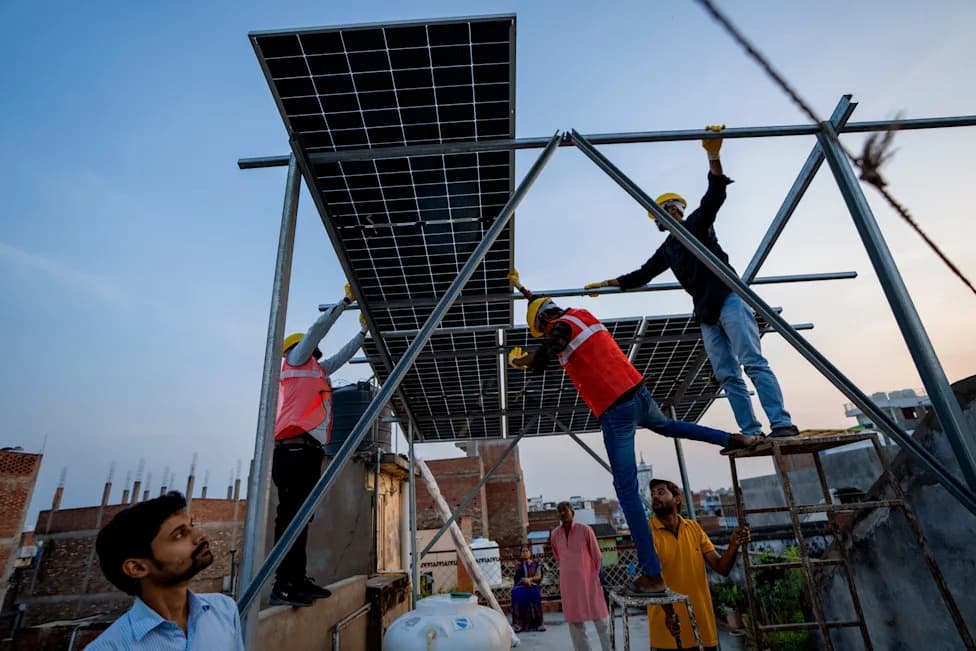
To unlock energy abundance we must remove policy and market barriers: provide better information and consumer finance, invest in workforce training for the trades, reform regulations that tilt toward legacy fuels, and design incentives that reward useful energy services rather than raw energy production. Rooftop solar, for example, is roughly three times costlier in the U.S. than in Australia because of permitting, interconnection and regulatory differences—an addressable gap.
Conclusion: A Different Path To Abundance
True energy abundance is not just about producing more power. It is about extracting more services from each unit of energy and empowering consumers to make efficient choices. That combination is already underway: electric vehicles today are saving nearly as much oil globally as some major pre-war supply chokepoints once provided. Achieving wider energy abundance will require an abundance of political will to accelerate electrification, scale efficiency, reform regulations, and mobilize finance.
About the author: Evan Mills is an energy‑systems analyst, a former senior scientist at the Lawrence Berkeley National Laboratory, and a research affiliate with the University of California, Berkeley's Energy and Resources Group. He co-authored assessments for the Intergovernmental Panel on Climate Change, the U.S. National Climate Assessment, and California's most recent Climate Change Assessment.
Copyright 2026 Nexstar Media, Inc. All rights reserved.
Help us improve.