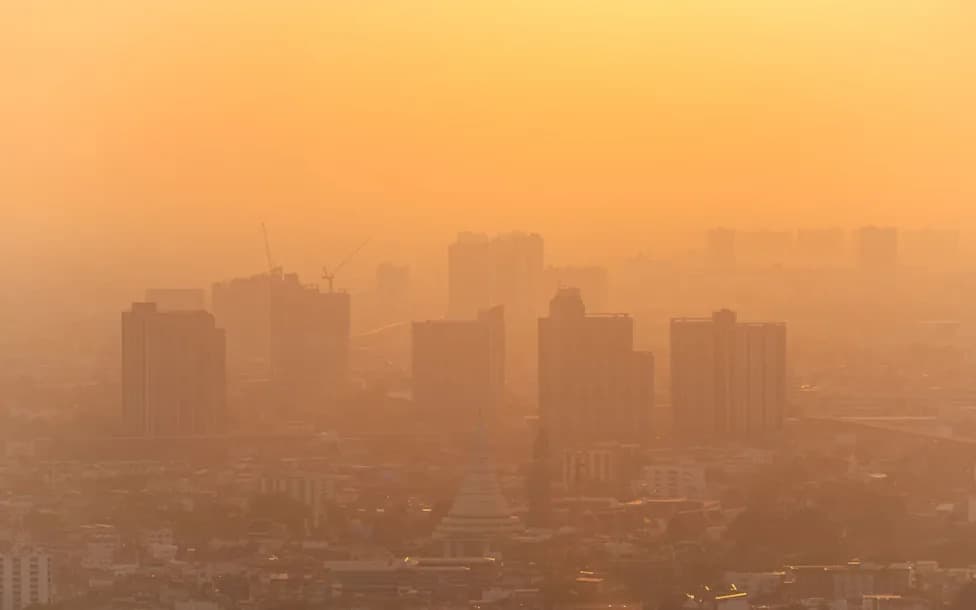
A nationwide analysis of about 64.5 million pregnancies (2003–2019) finds wildfire smoke has become the leading air pollutant affecting pregnancies, accounting for roughly 65% of days when particulate pollution exceeded the NAAQS. The study shows wildfire emissions have offset improvements from reduced vehicle and industrial pollution and disproportionately harmed low-income, rural and Indigenous communities. Prenatal smoke exposure is linked to higher risks of preterm birth, low birth weight, stillbirth and some congenital anomalies, prompting calls for targeted public-health protections.
Wildfire Smoke Now the Leading Air Pollutant Threatening Pregnancies, Study Finds
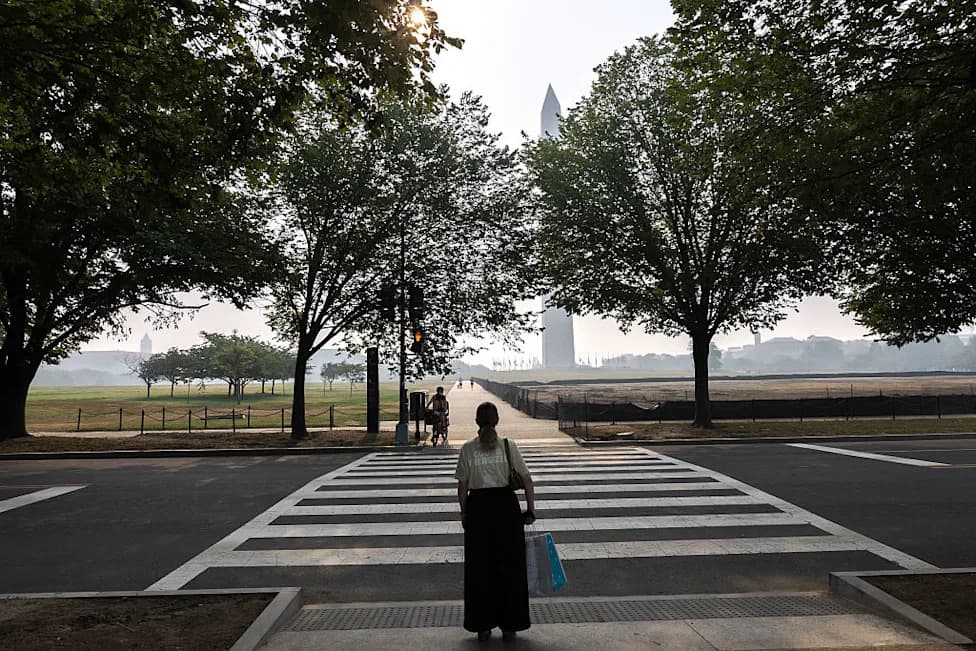
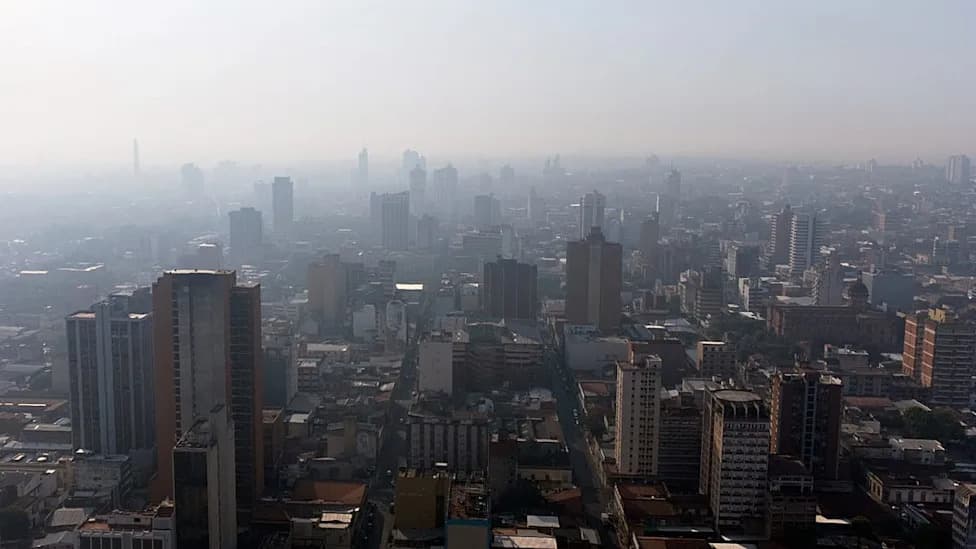
Wildfire smoke caused unhealthy levels of air pollution across Washington, D.C., in mid-July as fires raged across Ontario, Canada. A new study examining years between 2003 and 2019 found that the primary pollutant affecting pregnancies was wildfire smoke. (Photo by Finn Gomez/Getty Images)
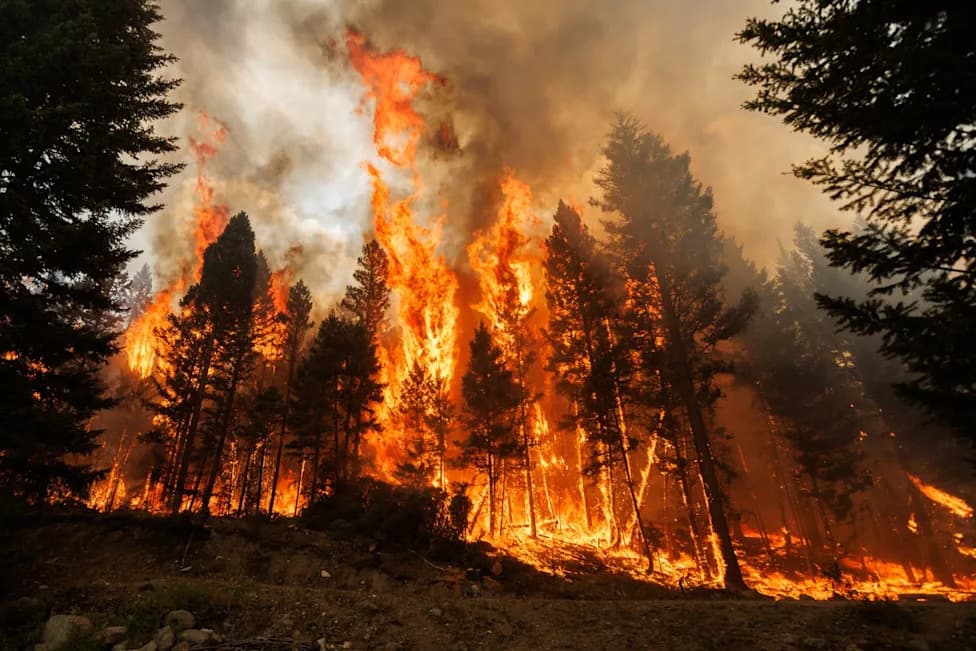
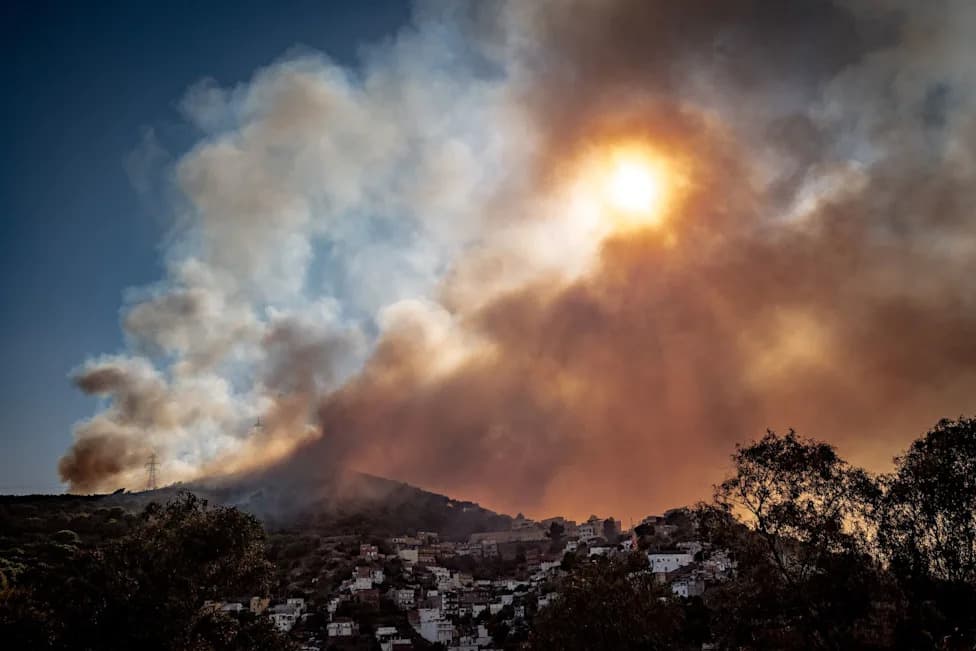
A large new analysis shows that wildfire smoke has become the dominant air pollutant affecting pregnancies in the United States, offsetting many of the health gains from declining traffic and industrial emissions.
Study Overview
Published in Frontiers in Environmental Health, the study examined roughly 64.5 million pregnancies from 2003 through 2019 across more than 2,800 counties in 48 states. Researchers used two pollutant models—one that excluded fire-related emissions—to isolate the contribution of wildfire smoke. Over the study period, about 65% of the days with fine particulate pollution above the National Ambient Air Quality Standard (NAAQS) were attributable to wildfire smoke.
Where And Who Are Most Affected
Wildfire-related pollution increased substantially even in regions not traditionally associated with fires, including parts of the Southeast. The Northwest saw wildfire pollution more than double during the study window. The authors highlighted disproportionate burdens in low-income, rural counties—especially those with large American Indian and Alaska Native populations—and in areas already facing maternity-care shortages.
Health Risks For Pregnant People And Babies
Multiple recent studies have linked prenatal exposure to wildfire smoke with elevated risks of preterm birth, low birth weight, stillbirth and some congenital anomalies. Scientists say inflammation triggered by smoke can damage the placenta, and certain smoke pollutants may cross the placental barrier and impair fetal growth and development. "These outcomes matter well beyond the delivery room," said Menglu Liang, the study’s lead author and an assistant clinical professor of biostatistics at the University of Maryland.
Limitations And Current Context
The study did not track whether pregnant people relocated during pregnancy or used personal protective measures such as masks, air filters or temporary moves. Its timeframe ends in 2019 and therefore does not include intense subsequent wildfire seasons—including 2020, 2024 and the current year—which likely increase current exposure risks. For example, by mid-July of this year more than 800 wildfires burned across Canada, producing hazardous smoke across parts of the Midwest and Northeast, while large fires in Oregon created hazardous air in the Northwest.
Public Health Implications
Authors say the findings underscore that while reductions in traffic- and industry-related pollution have benefited maternal and fetal health, the growing share of particulate pollution from wildfires threatens to offset those gains. They call for public-health planning and targeted protections—such as better access to clean-air shelters, distribution of air cleaners and masks, and policies to reduce wildfire risk—to protect pregnant people and infants as wildfire activity intensifies.
Bottom line: Declines in conventional air pollution have improved pregnancy outcomes, but rising wildfire smoke now drives much of the remaining high-pollution days and raises serious reproductive-health concerns.
Help us improve.