Nearly three years after October 7, Israel confronts a deep manpower shortfall that two years of legal and economic pressure failed to fix. More than 6,000 working Haredi men volunteered for reserve service after the attacks, and a survey found roughly 70% of married Haredi workers would serve in adapted frameworks—indicating significant untapped potential. Practical proposals and existing programs such as Kodcode and Maalot Tzur outline how to integrate tens of thousands into home-front defense, technical roles and the defense industry. The article argues Israel must pivot from coercion to building large-scale, culturally adapted participation across society.
Beyond the Draft Fight: Practical Paths to Solve Israel’s Security Manpower Crisis
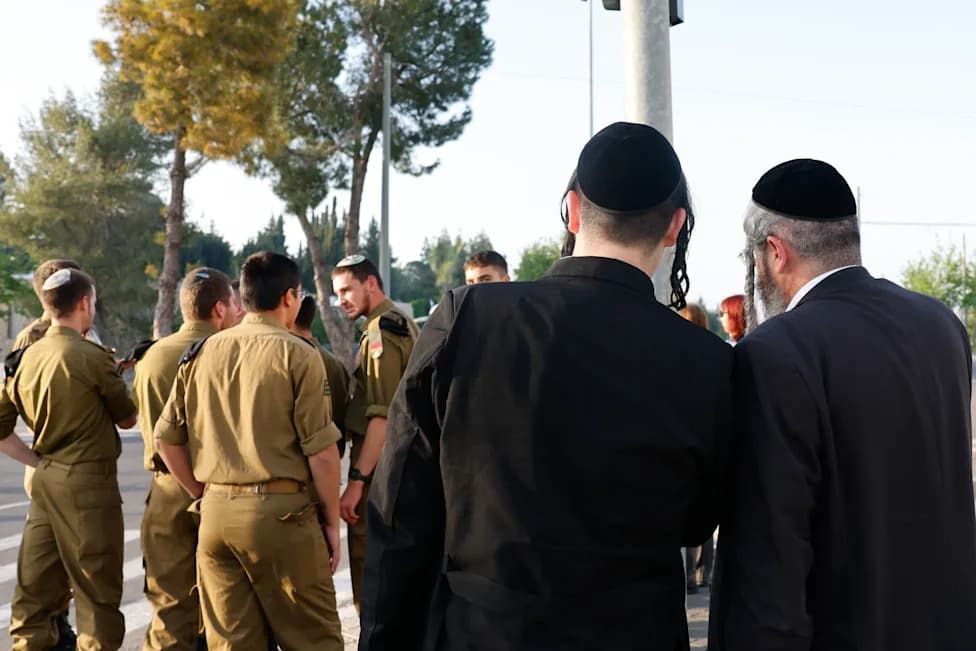
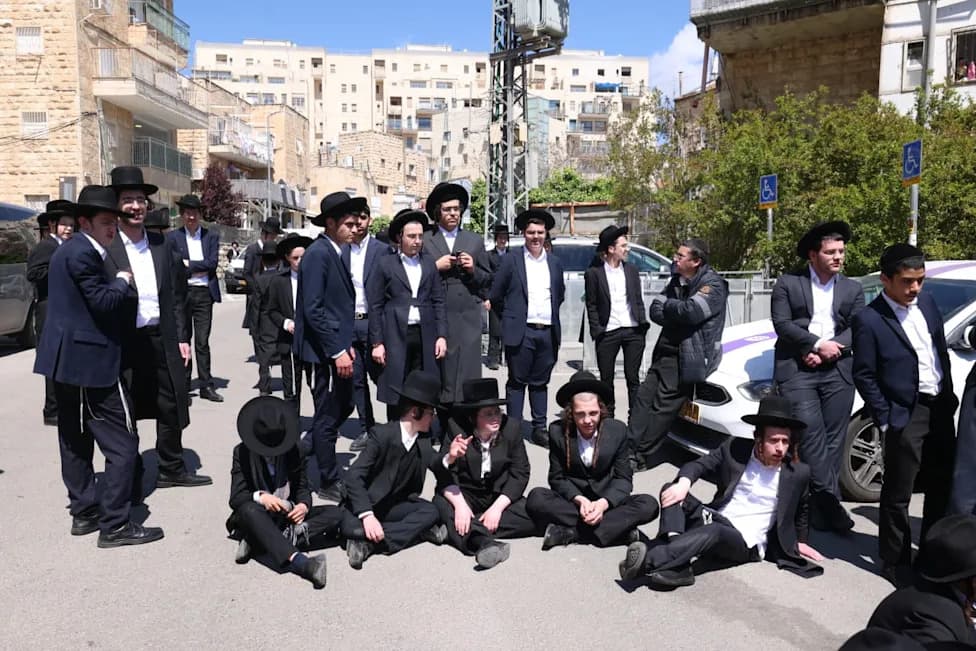
Haredi men dressed in traditional ultra-Orthodox garb stand behind a group of religious IDF soldiers (photo credit: MARC ISRAEL SELLEM/THE JERUSALEM POST)
Almost three years after October 7, Israel faces one of the most severe manpower shortages in its history. The national debate, however, remains fixated on whether and how to draft the Haredi (ultra-Orthodox) community instead of focusing on whether Israel has a security strategy broad enough to mobilize all of society for a prolonged, multifront conflict.
What the Last Two Years Showed
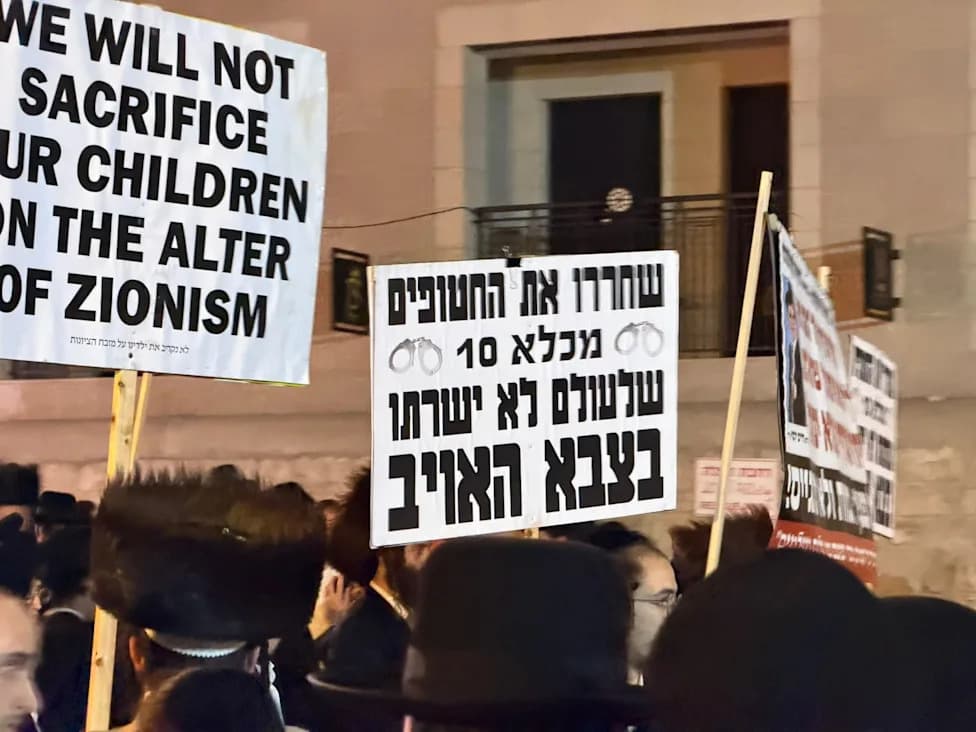
Over the past two years, government policy has leaned heavily on legal pressure, economic sanctions, mass draft orders and repeated Supreme Court interventions intended to raise Haredi enlistment. Despite that unprecedented push, recruitment has not increased to the scale policymakers expected. Rather than producing the desired manpower surge, the approach exposed a mismatch between coercive tactics and the social dynamics that drive participation.
Why the Problem Is Bigger Than the Draft
October 7 fundamentally altered Israel’s security needs. The country requires far more than additional infantry; it needs a new manpower architecture capable of sustaining extended, simultaneous operations on multiple fronts. That includes tens of thousands more reservists to protect communities and strategic sites, and personnel for base security, emergency response, civil defense, logistics, intelligence support and advanced technological warfare. Israel’s expanding defense industries also need thousands of skilled workers to maintain long-term readiness.
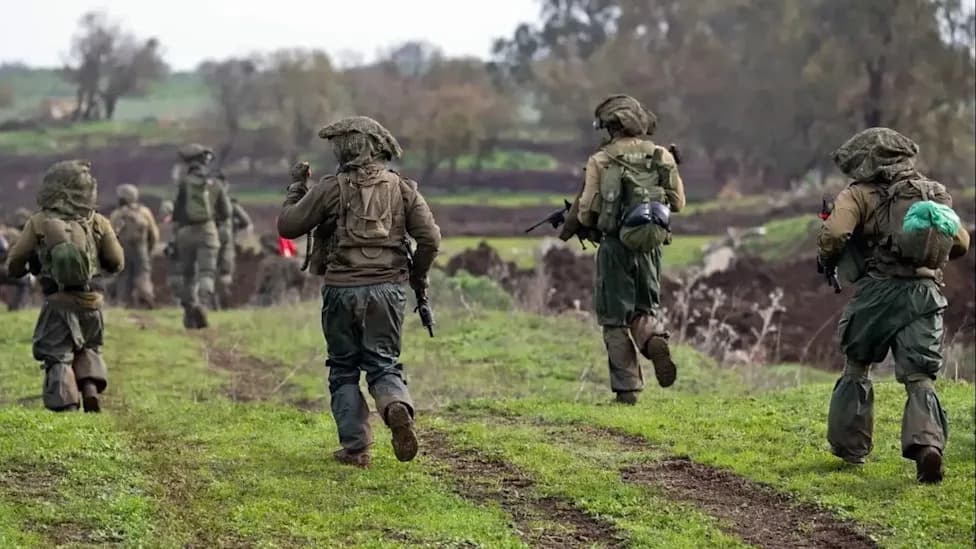
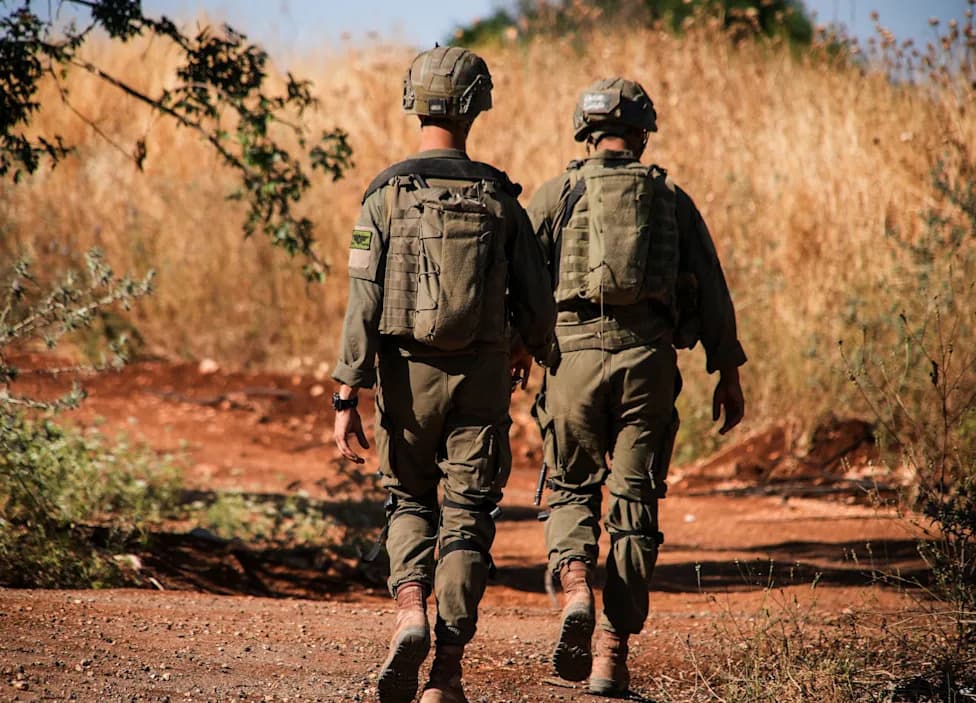
Reservist exercise in the North, January 17, 2024 (Credit: IDF Spokesperson Unit)
Untapped Willingness in the Haredi Workforce
One important development after October 7 has received too little attention: in the months following the attacks, more than 6,000 working Haredi men volunteered to serve in the Israel Defense Forces reserves. They came forward voluntarily, not in response to draft orders or sanctions. Only a small fraction were recruited, and most who were accepted received only basic training.
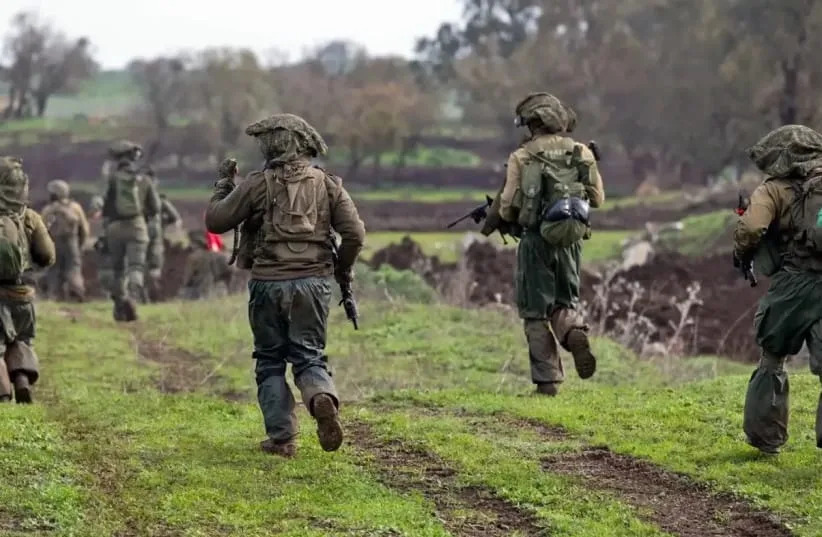
Reservist exercise in the North. January 17, 2024 (credit: IDF SPOKESPERSON UNIT, image processing)
A survey by the Institute for Strategy and Haredi Policy found that roughly 70% of married Haredi men in the workforce said they would be willing to serve in reserve frameworks adapted to their circumstances. Based on those findings, the institute—together with former senior officials and defense experts—developed a practical plan to recruit roughly 15,000 Haredi reservists for home-front defense, base protection and other essential roles.
Existing Models That Work
Several programs already demonstrate how adapted frameworks can produce meaningful participation. Kodcode prepares Haredi men for elite technology and intelligence roles; Maalot Tzur integrates vocationally trained recruits into critical engineering and technical positions; and IDF pilots are exploring large-scale Haredi service in base protection to free combat units for front-line duties. These are operational models, not mere theory.
A Strategic Shift From Coercion To Participation
Supporters of recent legislation argue it aims to reduce tensions and create political space to expand long-term, adapted frameworks. Whether that will succeed remains uncertain. The essential point, however, is clear: legal victories do not automatically translate into strategic success.
After two years of escalating pressure that failed to produce the necessary manpower, Israel’s national conversation should shift from how to punish nonparticipation to how to build participation at scale. That requires policies that respect communal identity and practical constraints while meeting the state’s operational requirements—targeted reserve roles, vocational pipelines into the defense sector, and flexible service models that accommodate family and religious life.
Conclusion
The central question today is not who ‘won’ the draft argument. It is whether Israel is prepared to build a comprehensive security strategy broad enough to mobilize every sector of society for the challenges ahead.
Eli Paley is the publisher of the Mishpacha international media group and founder and chairman of the Institute for Strategy and Haredi Policy.
Help us improve.