A Ladera Ranch, California, community is pressing officials after at least six children have died from very rare cancers since 2013, including Ewing sarcoma and synovial sarcoma. Residents suspect long-term use of older herbicides and pesticides and have called for environmental testing. First Assistant U.S. Attorney Bill Essayli asked the EPA to investigate on July 16, and local leaders have temporarily banned certain landscaping chemicals while studies proceed. Multiple state and federal inquiries are ongoing, and health experts caution that investigations can take time.
Southern California Neighborhood Demands Answers After Rare Pediatric Cancer Cluster

California community suspects environmental link to rare cancer cases
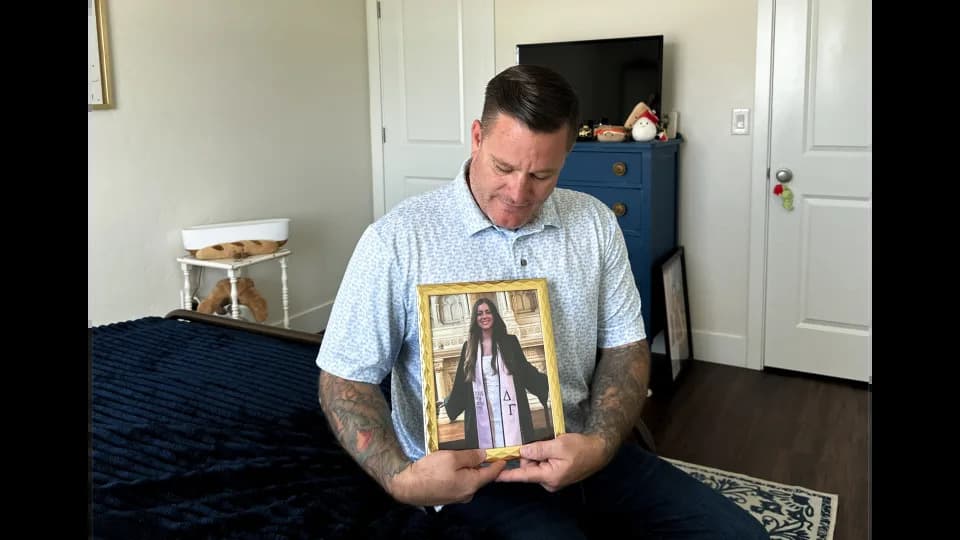
A Southern California community is seeking answers after an unusually rare pattern of pediatric cancers has claimed the lives of at least six children since 2013. Families and local leaders in Ladera Ranch say they have repeatedly requested investigations into potential environmental contributors to dozens of cancer cases reported in the area.
Reported diagnoses in the cluster include Ewing sarcoma — a rare bone and soft-tissue cancer that affects roughly 200–240 children and teens in the U.S. each year — and synovial sarcoma, which occurs in fewer than 1,000 Americans annually. Residents say the number and concentration of cases in one community is alarming and merits thorough study.
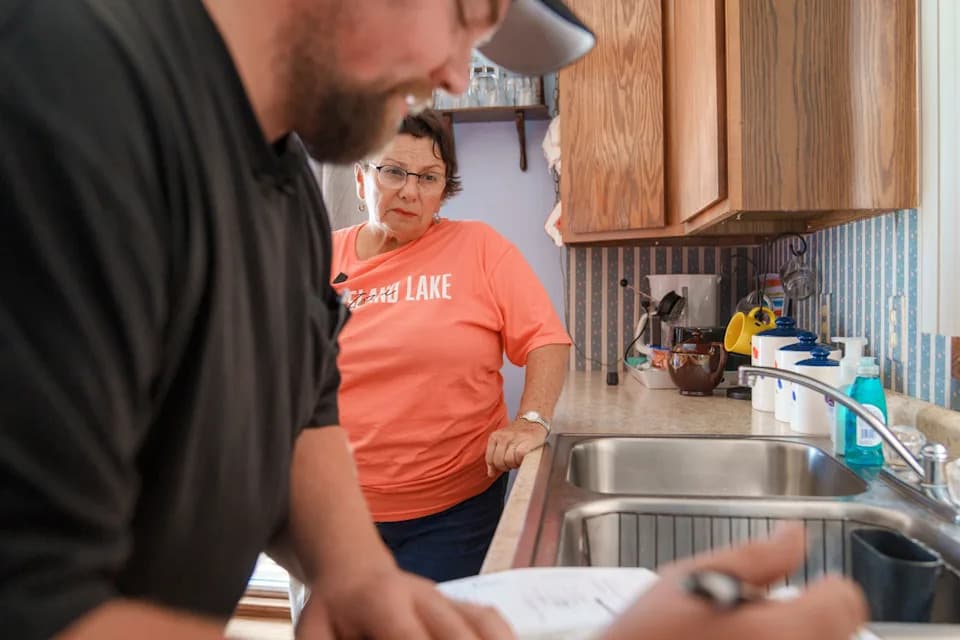
"There's a lot of shrugs from all the people in charge," said Ladera Ranch resident Kira Davis on "Katie Pavlich Tonight." "But just now, I think with social media, people are starting to be really concerned."
The cluster has drawn federal attention. First Assistant U.S. Attorney Bill Essayli requested that the Environmental Protection Agency open an investigation into whether environmental factors are implicated and whether any federal environmental laws apply. Essayli posted his request on X on July 16, asking the EPA to conduct an "appropriate investigation" into possible environmental causes.
Community concern extends beyond people: residents have reported an apparent increase in illnesses among pets. Davis described her dog developing a brain tumor and noted that, after she raised the issue in a neighborhood chat, she received "dozens and dozens of posts" from others reporting sick animals.
Local suspicion has centered on the long-term use of older herbicides and pesticides used in landscaping. "We're one of the last suburbs in Southern California to use these particular pesticides. They are harsher chemicals, older chemicals," Davis said, adding that nearby communities have largely moved toward organic landscaping approaches.
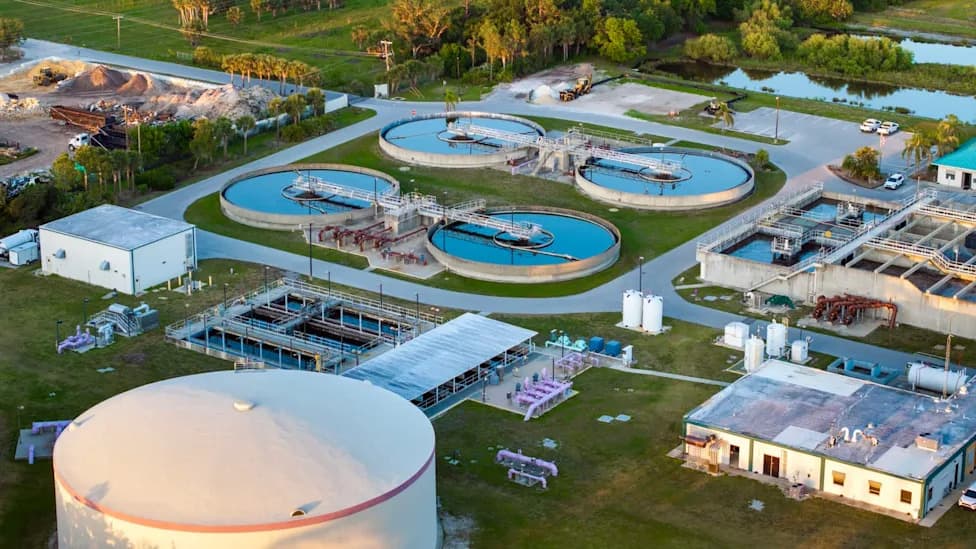
In response, the Ladera Ranch advisory committee has implemented a temporary ban on certain chemical products while it reviews landscaping maintenance practices. Multiple studies and inquiries — at local, state and federal levels — are now underway to identify any environmental links and to determine next steps.
"We would love for this to stop," Davis said. "We're not saying it is the pesticides, but if there's even a chance it's connected to that, why wouldn't we switch?"
Health experts caution that clusters of rare cancers can be complex to investigate and that an observed clustering does not by itself prove causation. Officials have urged patience while scientists complete environmental testing, epidemiologic studies and regulatory reviews. The community continues to press for transparency, expedited testing and clear communication about findings.
Source: NewsNation / Nexstar Media
Help us improve.