Researchers using long-read DNA sequencing discovered more than 19,000 structural variants in Guam's brown tree snakes, revealing far greater genetic diversity than expected from a small founding group. This hidden variation may explain the species' rapid spread—reaching roughly 30,000 snakes per square mile—and traits linked to improved smell and immunity. The results suggest managers should consider structural genetic diversity when predicting invasions and planning conservation or control strategies.
Hidden DNA Diversity Helped Brown Tree Snakes Thrive and Overrun Guam
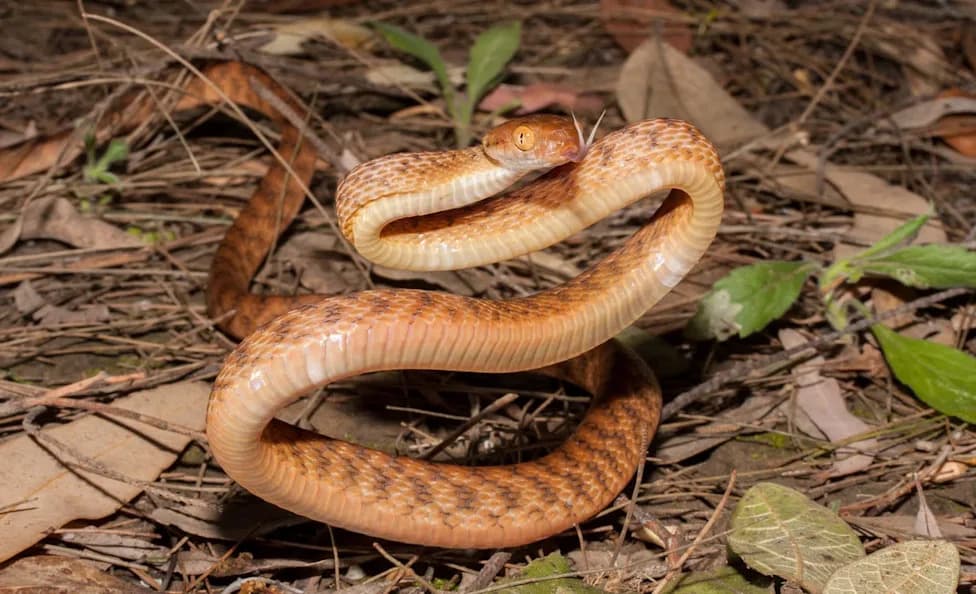
Photo Credit: iStock
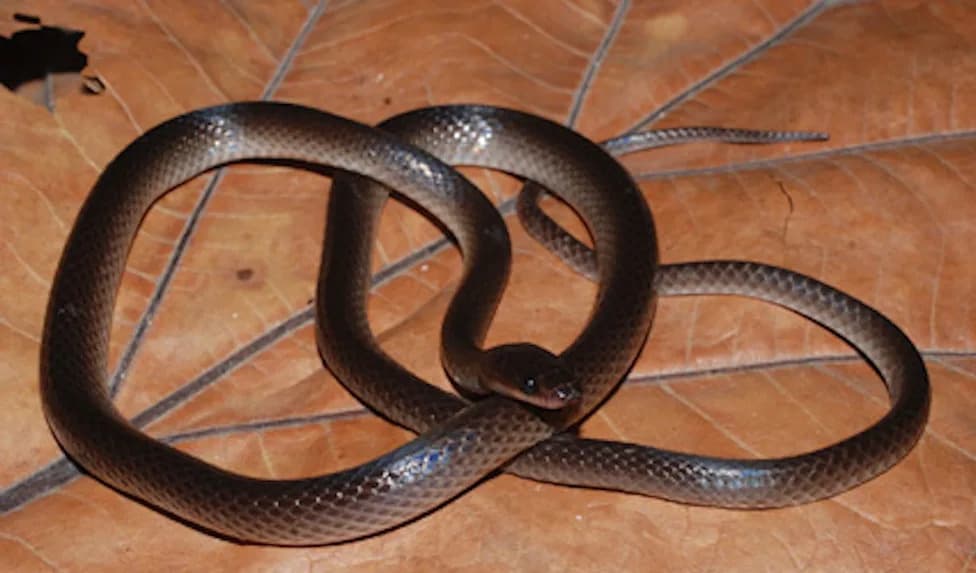
New genomic research reveals an unexpected explanation for why brown tree snakes exploded across Guam: surprisingly high structural genetic diversity despite a tiny founding population. Using long-read DNA sequencing, researchers found more than 19,000 structural variants—chromosomal rearrangements, deletions and duplications—that ordinary short-read methods can miss.
The study, published in Science Advances and led by Christopher Osborne of SUNY Oswego, shows Guam's snakes retain far more genetic variation than scientists predicted after a likely post–World War II introduction from a small number of founders. The U.S. Geological Survey notes the species' native range includes Indonesia, the Solomon Islands, Papua New Guinea and Australia, and that the snake was first reported on Guam around the 1950s.
Rather than suffering the expected effects of inbreeding, the population multiplied rapidly across the island—reaching densities on the order of ~30,000 snakes per square mile—and developed genetic differences linked to a heightened sense of smell and stronger immune responses. Those traits may have helped the snakes exploit new food sources, evade control measures and survive in a novel environment.
'It's possible that endangered species may have more flexibility in their genes than we realize,' Osborne said, highlighting how hidden forms of diversity can change conservation and management expectations.
On Guam the brown tree snake has had dire ecological and social consequences: it has decimated native bird and lizard populations, altered forest ecosystems and caused frequent power outages by climbing electrical infrastructure. The combination of ecological damage and infrastructure disruption has strained local conservation budgets and public services.
Because long-read sequencing reads much longer stretches of DNA, researchers could detect structural variants that older approaches often miss. This broader genetic view helps explain why eradication efforts have been so difficult: the snakes may not have been as genetically constrained by a founder event as assumed.
These results carry two important implications. First, wildlife managers could use long-read genomic surveys to better predict which introduced species are most likely to become aggressive invaders. Second, conservation strategies for small or inbred populations may need to account for previously unrecognized sources of adaptive variation.
While the findings do not claim that any single variant directly caused the invasion success, they underline that structural genetic diversity can provide raw material for rapid adaptation and complicate both control and recovery efforts in island ecosystems.
Help us improve.