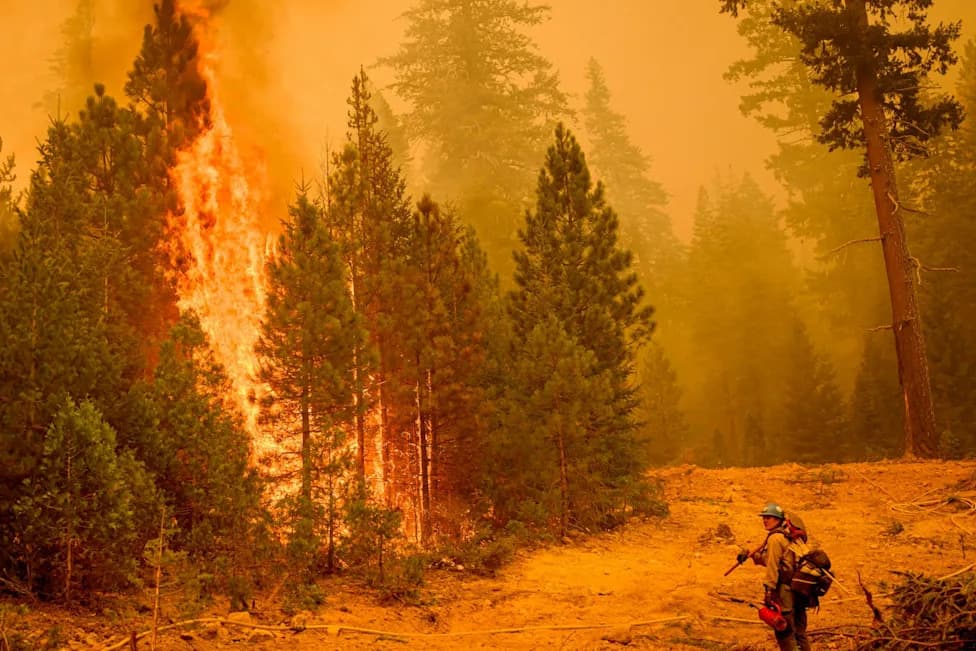
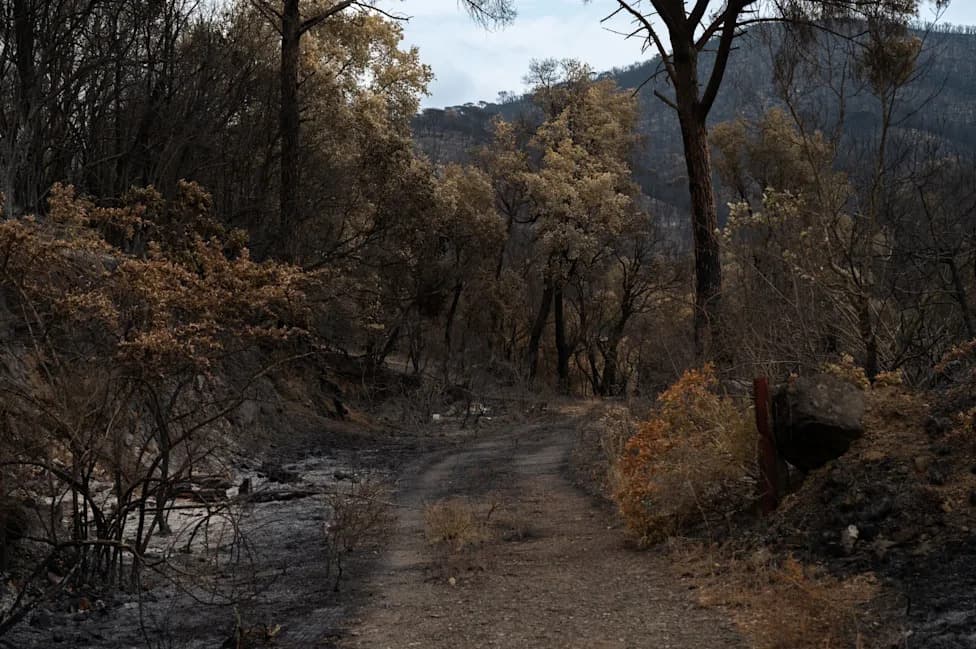
The Cottonwood Fire in Utah burned more than 97,000 acres and was roughly 95% contained. Lawmakers faulted limited forest thinning, but researchers warn that hotter, drier conditions from climate change are increasingly overpowering traditional fuel-management tactics like thinning and prescribed burns. New research finds severe snow droughts in the Upper Colorado Basin are now far more likely than in pre-industrial times, raising the risk of fast-moving, high-intensity megafires that can hinder forest recovery. Policymakers are considering a bipartisan bill to speed fuel treatments, though experts say even expanded treatments have limits in extreme weather.
Hotter, Drier Weather Is Overwhelming Wildfire Prevention — Lessons From Utah’s Cottonwood Fire
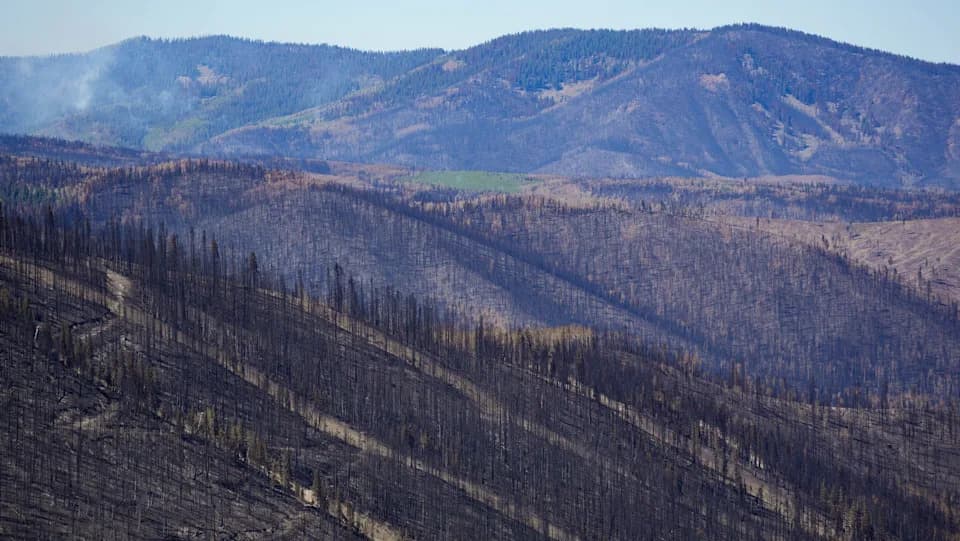
A tour of Eagle Point Resort, one of the smallest ski and snowboard areas in Utah, one of the first areas to fall victim to the Cottonwood Fire in late June, pictured Thursday, July 9, 2026.
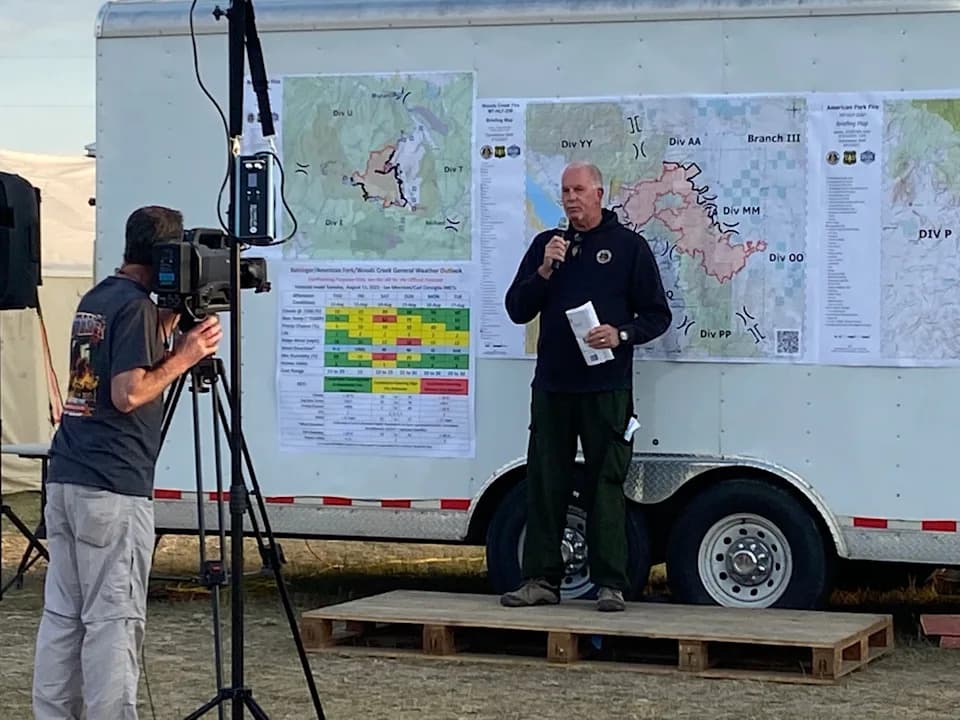
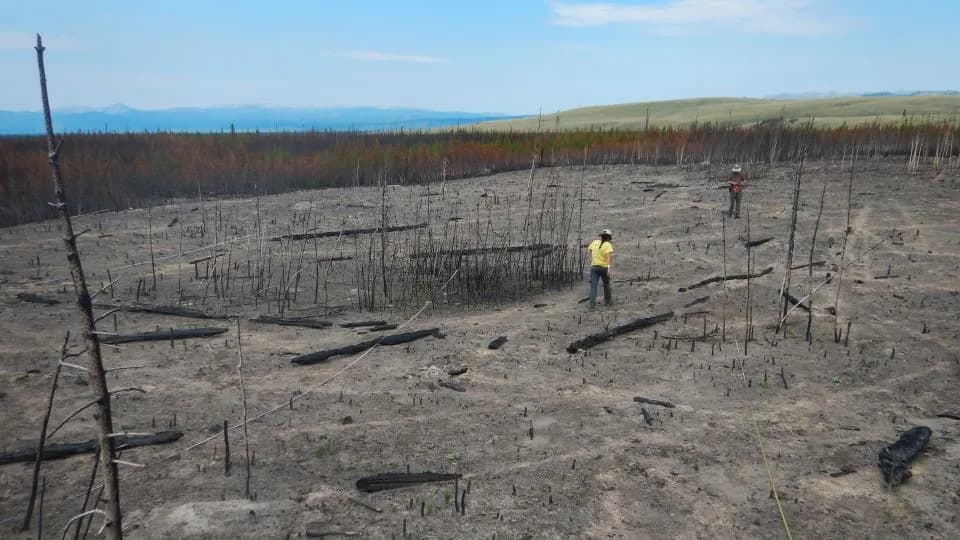
Officials and lawmakers toured the burn scar left by Utah’s Cottonwood Fire and found damage not only from flames but from post-fire rains and floods. The blaze scorched more than 97,000 acres after igniting on June 22 and was reported about 95% contained as of late Thursday, according to Utah Fire Info.
Lawmakers blamed limited forest thinning and a lack of controlled burns for making the fire more damaging. "If the forest had been thinned, with a lot fewer trees per acre, and maybe even some controlled burns to take the underbrush out, there's just not the fuel there when these fires start to make them catastrophic fires," Representative Bruce Westerman told Salt Lake City's FOX 13 News.
Climate Versus Fuel Treatments
Researchers caution that while fuel-reduction strategies still matter, hotter and drier conditions driven by climate change are increasingly decisive. "Weather and climate override the effects of fuels in determining what happens in forested landscapes," said Dominik Kulakowski, a geography professor at Clark University. The implication, he said, is that managers are losing some of their ability to prevent catastrophic fires.
"The soil is being sterilized. There are fewer surviving trees," Kulakowski said, warning that some areas may not regenerate and could face ecosystem collapse.
Evidence of a Changing Risk
Climate and weather trends have been the primary driver of elevated wildfire risk in the Western United States over the past two decades, NOAA says. A study published this month in the Proceedings of the National Academy of Sciences found the severe snow drought that affected Utah this winter is now about 14 times more likely in the Upper Colorado River Basin than during the pre-industrial era.
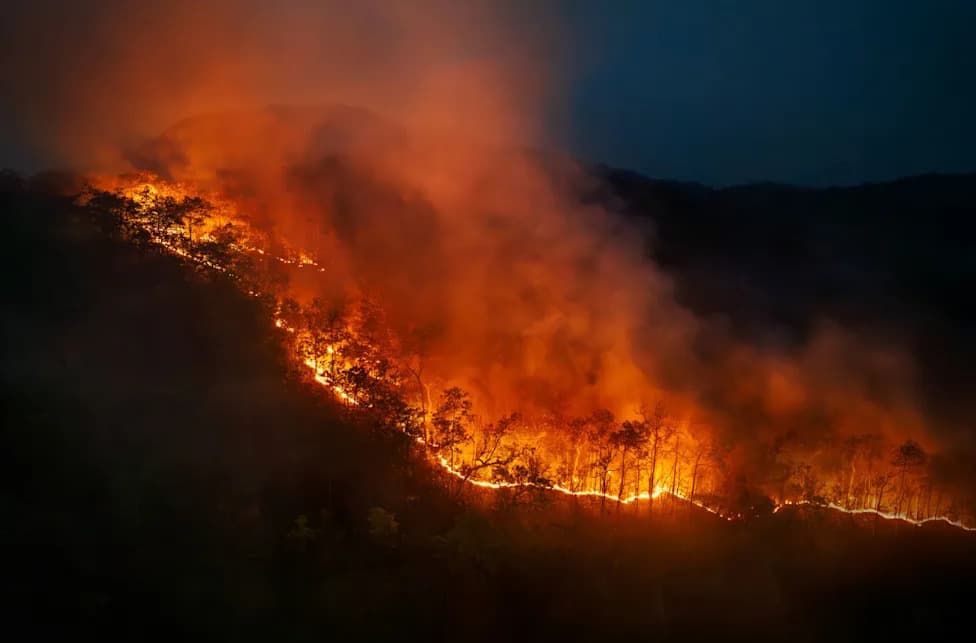
Fuel sources such as dry shrubs and drought-stressed trees remain a contributing factor and are the focus of treatments like thinning, creating defensible space, and prescribed burns. But extreme, fast-moving blazes can leap barriers and spread rapidly — Utah’s Cottonwood Fire, for example, expanded by roughly 20,000 acres overnight while firefighters evacuated homes.
Policy And Practical Responses
A bipartisan group of Western lawmakers has proposed the "Fix Our Forests Act," which would create "fireshed management areas" to prioritize and speed up fuel treatments where communities are most at risk. The proposal aims to streamline federal action but had not yet received a full Senate vote.
Some fire scientists, like Larissa Yocom at Utah State University, argue that fuel treatments remain effective and should be scaled up. "We have a lot of examples where managing fuel is still beneficial and makes a difference," she said. Yet she also conceded that during the most extreme weather conditions, on-the-ground management can be overwhelmed.
What Communities and Homeowners Can Do
Experts emphasize both landscape-scale policies and local preparedness. Practical steps such as clearing brush, removing firewood piles near homes, creating defensible space, and conducting seasonal prescribed burns in cooler shoulder seasons can reduce risk. Bradley Washa, a firefighter and wildland-resources professor at Utah State, notes these measures matter — even if they offer limited protection during extreme megafire events.
Bottom line: Fuel-management tools still help, but a warming, drying climate is making megafires larger, faster, and harder to control. That reality increases the urgency of combining smart forest treatments, updated policy, and community-level preparedness to reduce risk.
Originally reported by Grist. Facts and quotes in this article reflect the reporting at the time, including containment and acreage figures cited by Utah Fire Info and research published in PNAS.
Help us improve.