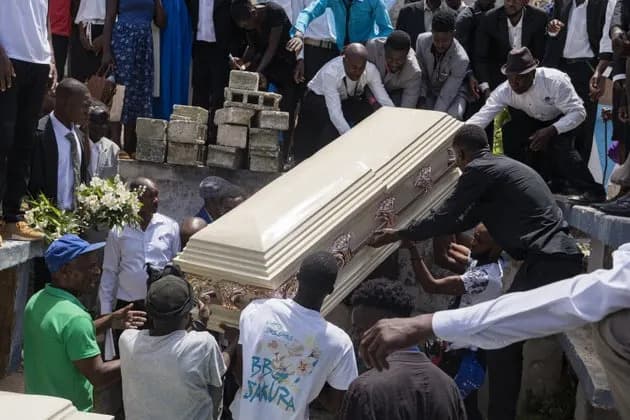
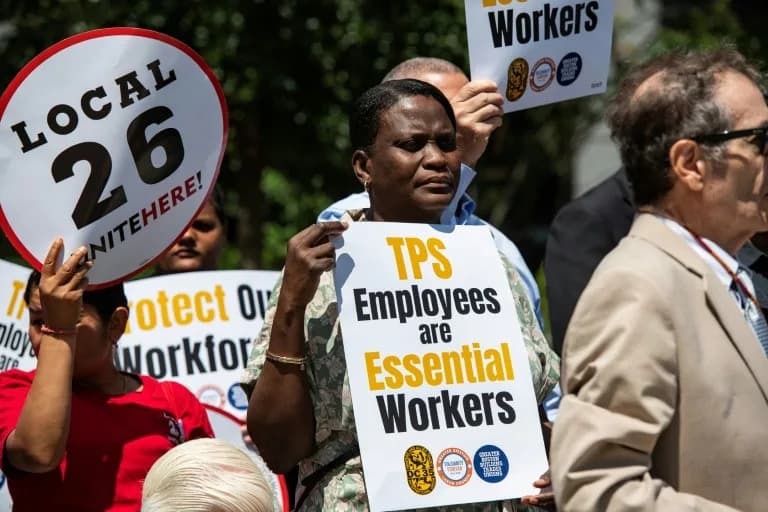
More than 300,000 Haitian nationals in the U.S. face possible deportation after a June 25 Supreme Court decision allowed termination of Temporary Protected Status (TPS). Advocates warn many who've complied with TPS are vulnerable to detention and removal as Haiti endures severe humanitarian collapse — including gang control of Port-au-Prince, collapsed services, and deadly drone strikes. The ruling also affects roughly 6,000 Syrians and could trigger labor and health-care disruptions in U.S. communities concentrated in Miami, New York and Boston.
Supreme Court Ruling Ends TPS for Haitians: 300,000+ Face Possible Deportation as Haiti Spirals Into Humanitarian Crisis
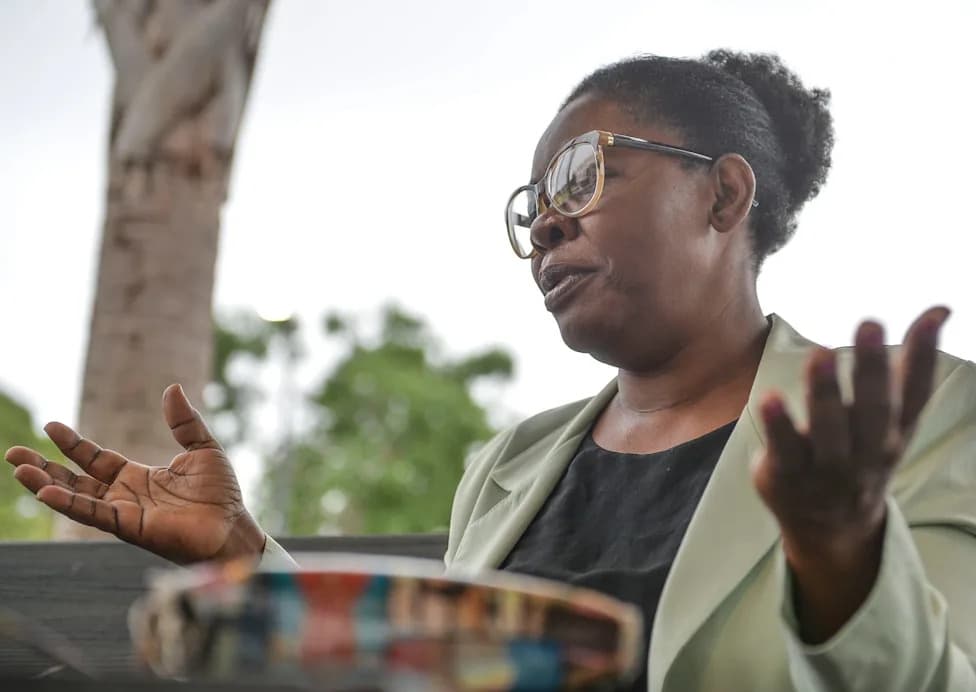
Dieu Yolnick Jeune Cadet, of Port St. Lucie, Florida, is a plaintiff on a national lawsuit against the Trump administration, which cut an immigration program that protects Haitians living in the United States.(Eric Hasert)
Hundreds of thousands of Haitian nationals living in the United States now face possible deportation after a June 25 U.S. Supreme Court decision allowed the administration to terminate Temporary Protected Status (TPS), the humanitarian program that had permitted people from imperiled countries to live and work in the U.S. temporarily.
What Happened
The Supreme Court's 6-3 ruling cleared the way for the president to end TPS designations, affecting more than 300,000 Haitian beneficiaries and roughly 6,000 Syrians. Advocates warn the decision leaves many who have complied with program rules particularly vulnerable to detention and removal.
Immediate Concerns
Advocates say the decision increases the risk that U.S. Immigration and Customs Enforcement (ICE) could detain people at home, in their neighborhoods, or when they report to immigration offices. In Springfield, Ohio, residents recently received Department of Homeland Security notices ordering them to report to the ICE office in Cincinnati—fueling anxiety in the community.
"All TPS holders have played by the rules set out by them, sending in updated addresses when they move," said Dan Berlin, Policy Director for the International Rescue Committee. "The government does know where they live... That makes them particularly vulnerable."
Humanitarian Risks in Haiti
Humanitarian organizations say Haiti’s situation has deteriorated dramatically. The International Rescue Committee ranked Haiti fifth on its emergency watch list this year. More than half of Haiti's roughly 12 million people are estimated to be in need of humanitarian assistance, and the country faces severe food insecurity, collapsing public services and outbreaks of disease.
Armed gangs now control nearly 90% of Port-au-Prince, a power shift that accelerated after the 2021 assassination of President Jovenel Moïse. Amnesty International and other groups report attacks on police stations, hospitals and ports, contributing to social breakdown.
Drone strikes have also been reported in public areas; aid officials say more than 1,200 people — including 17 children — have been killed by such strikes since early last year. Observers say the operators are unclear, but civilians are bearing the cost.
"People are dying of hunger," said Ciaran Donnelly, Senior Vice President for International Programs at the International Rescue Committee. "Government and health services have effectively collapsed, with no real expectation of assistance."
Legal, Economic and Social Consequences
While some former TPS recipients may pursue other options — asylum claims, family-based petitions or other legal avenues — advocates say most who relied on TPS now face few realistic pathways to remain legally. They may choose to depart voluntarily or remain without documentation and risk enforcement actions.
Many Haitians in the U.S. have lived here for 10–15 years and are deeply integrated into local economies. Two-thirds of U.S. Haitian immigrants live in the Miami, New York and Boston metropolitan areas, and many work in health care, elder care, construction, transportation, hospitality and caregiving. Employers and trade groups warn of potential labor shortages and disruptions, particularly in health services where Haitian workers hold vital roles.
Children of Haitian immigrants who grew up in the U.S. face the prospect of family separation or forced relocation to an unstable and violent country. In Haiti, families that depend on remittances risk losing critical income as deportees return to an escalating emergency.
Outlook
Although the Supreme Court's decision is not framed as an absolutely final, unchallengeable judgment, its language makes further legal challenges unlikely to succeed, according to humanitarian leaders. The Trump administration initiated the process to end Haitian TPS in February 2025, and advocates have since been educating communities about limited options.
Contributors: Erin Glynn, Cincinnati Enquirer; Jessica Guynn, USA TODAY.
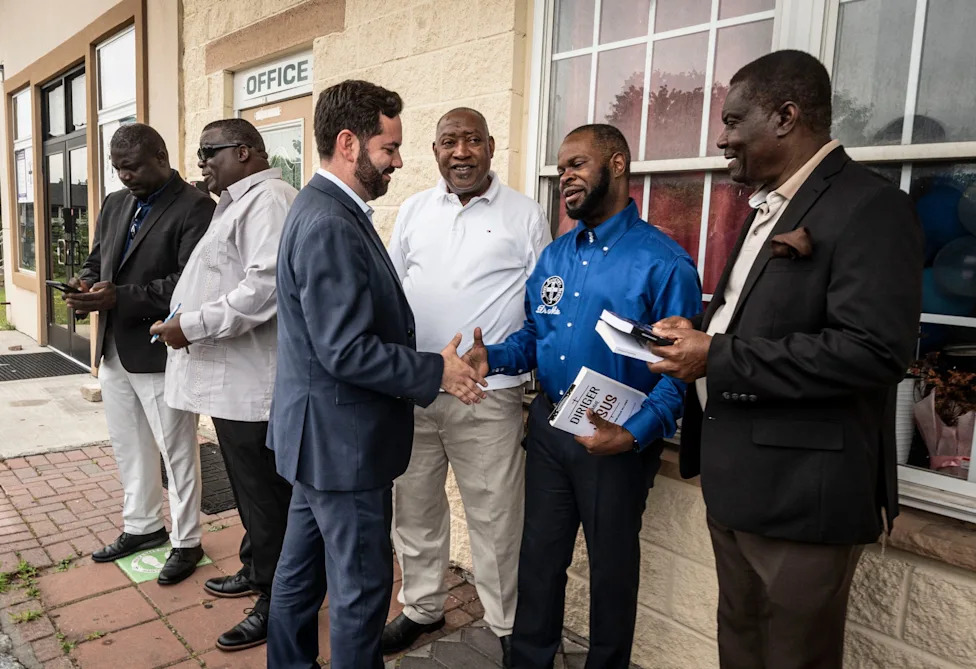
Rep. Mike Lawler greets Pastor Nate Demosthene, Pastor of First Timothy Christian Church in Spring Valley, New York, and other clergy members, before a news conference at the church July 10, 2025, calling for an extension of Temporary Protected Status for Haitians.(Seth Harrison)
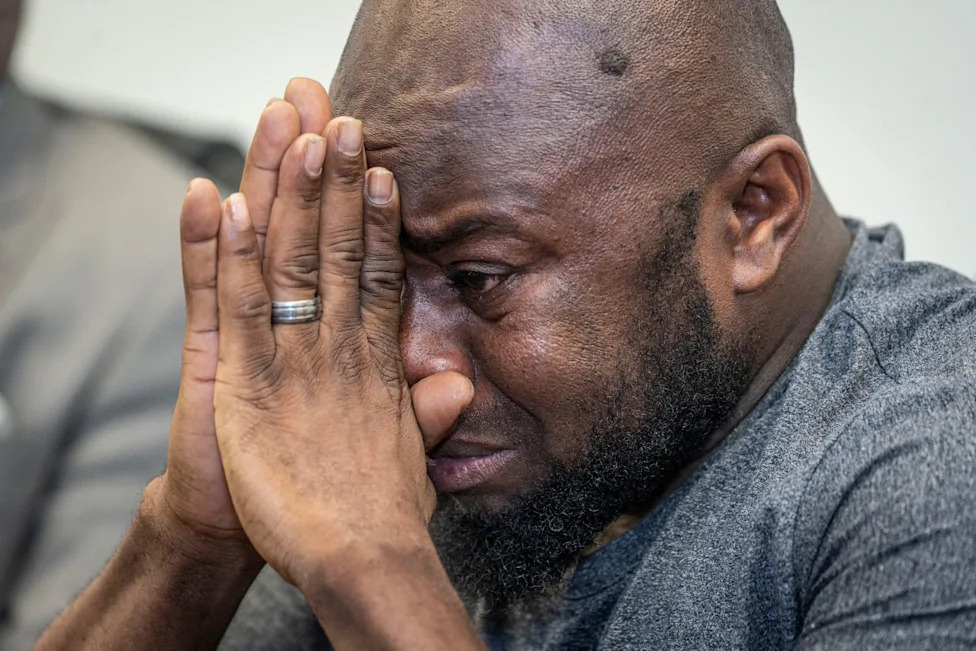
Dutan Pierre of Spring Valley cries while sitting in his attorney's office July 2, 2025, nearly a month after his son Alan, 20, was arrested by ICE officers, though he was in the United States legally.(Seth Harrison)
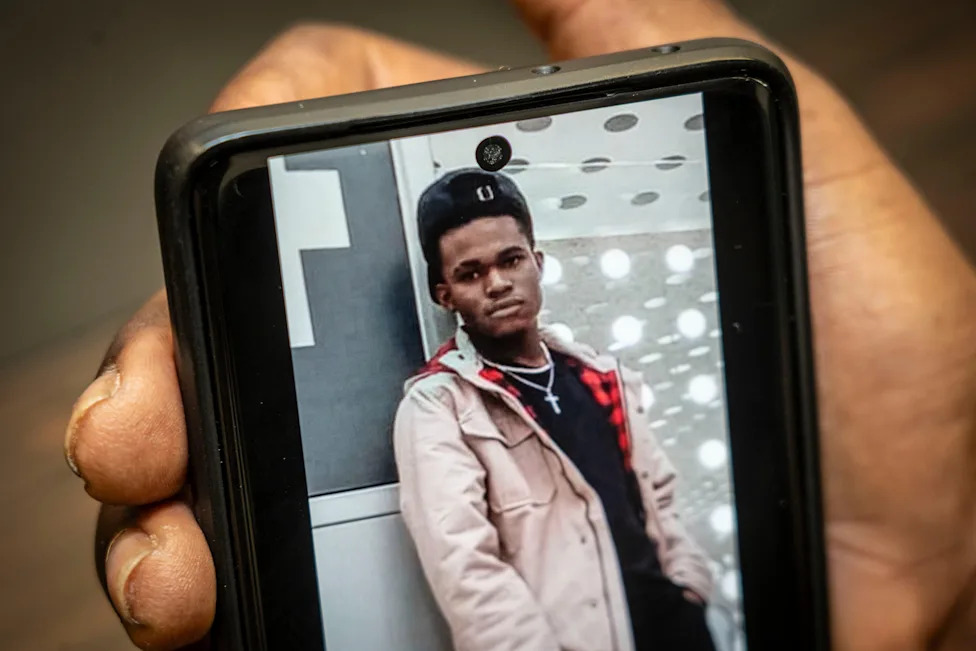
Dutan Pierre of Spring Valley, New York, holds his phone containing a photo of his son Alan, 20, July 2, 2025, who was arrested by ICE officers on June 3. Alan had arrived from Haiti several months earlier, was in the country legally and had enrolled in high school.(Seth Harrison)
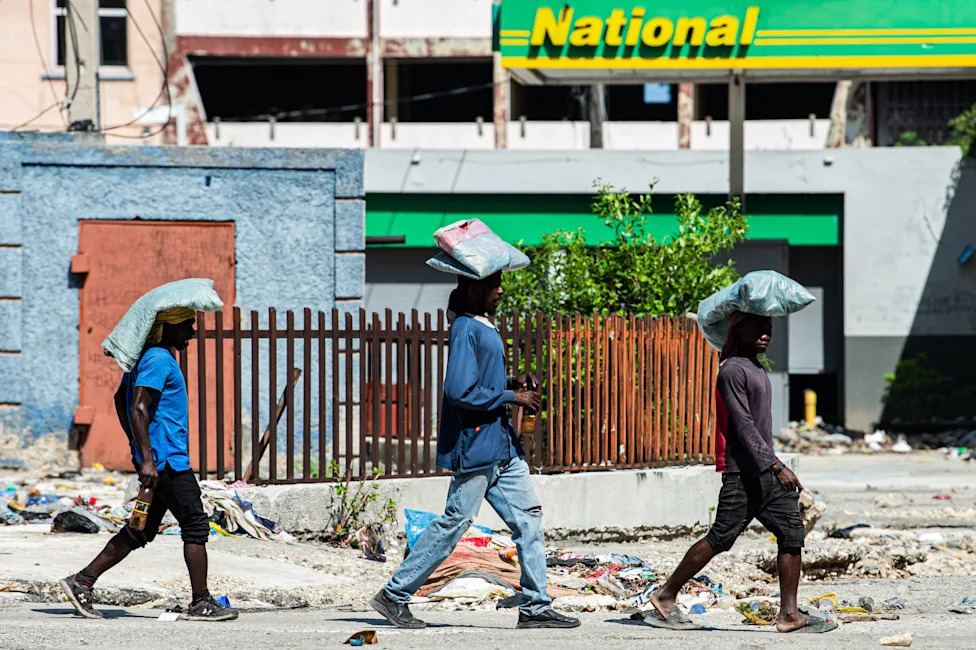
Merchants carry their wares through the city center in Port-au-Prince on July 21, 2025.(CLARENS SIFFROY, AFP via Getty Images)
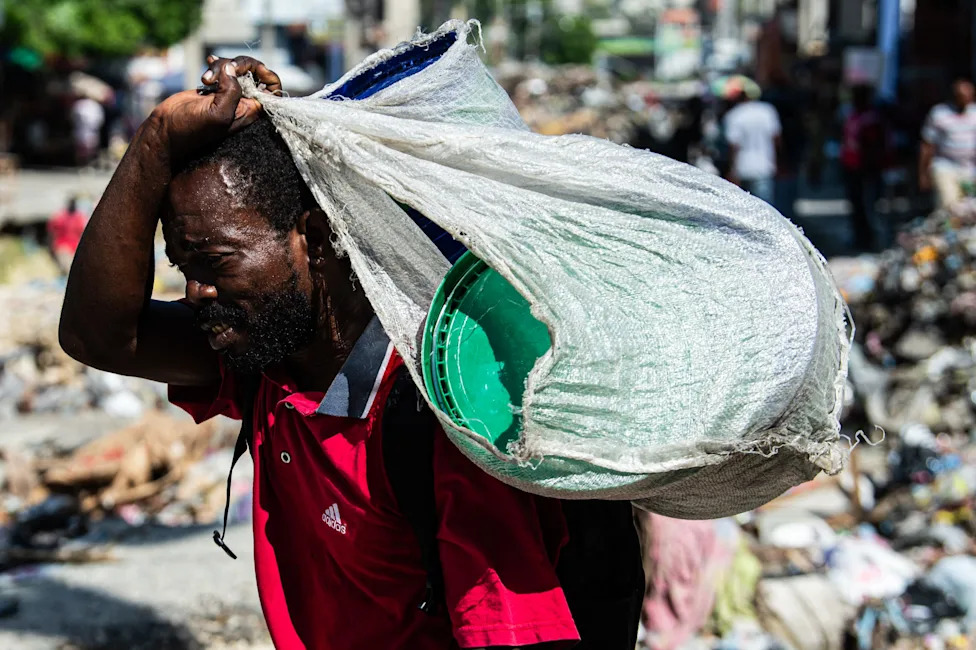
A merchant carries his wares though downtown Port-au-Prince on July 21, 2025.(CLARENS SIFFROY, AFP via Getty Images)
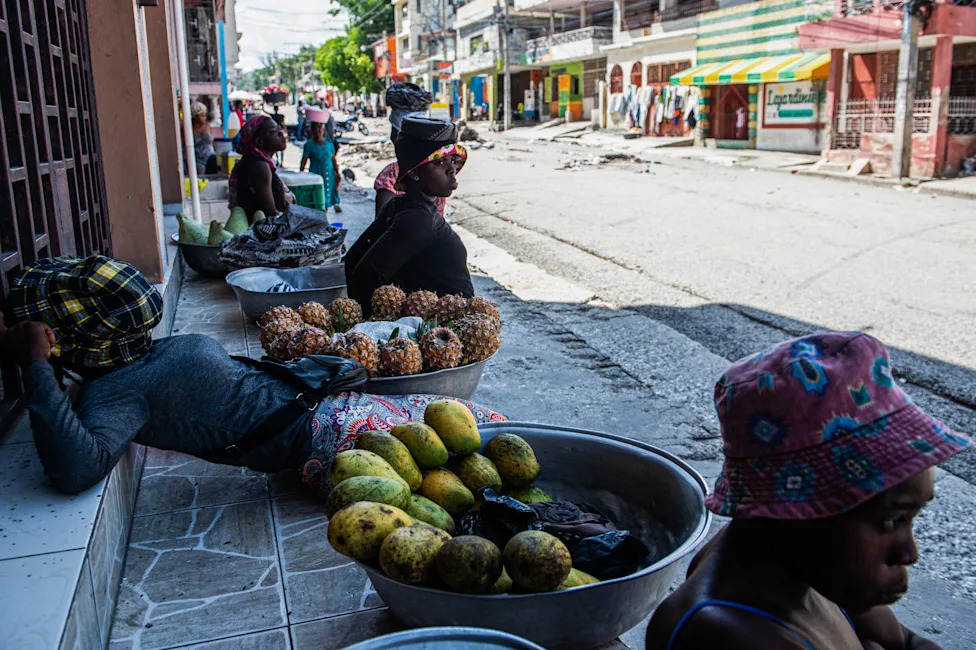
A merchant sell fruit in downtown Port-au-Prince on July 21, 2025.(CLARENS SIFFROY, AFP via Getty Images)
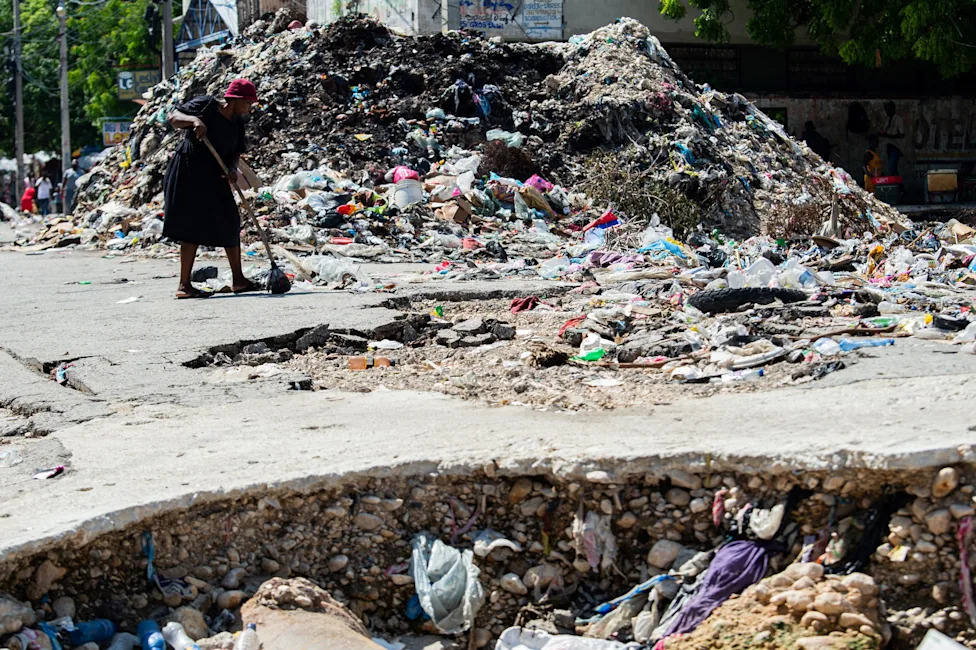
A woman cleans the street in the city center of Port-au-Prince on July 21, 2025.(CLARENS SIFFROY, AFP via Getty Images)
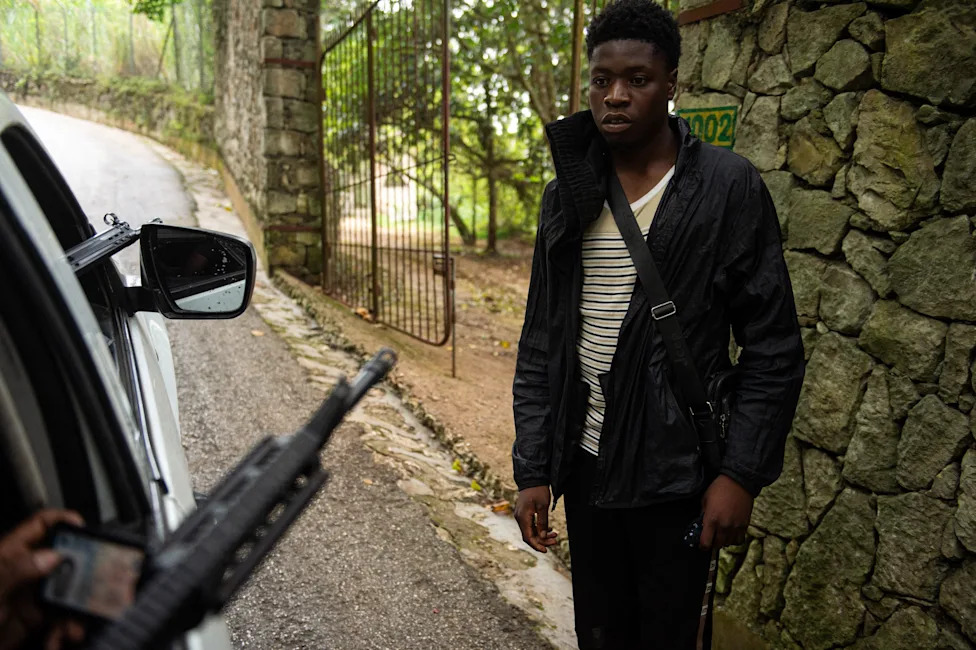
A Haitian police officer checks a man's papers as they patrol in Kenscoff, a suburb of Port-au-Prince, on August 7, 2025, after two of their armored personnel carriers in the area were damaged overnight.(CLARENS SIFFROY, AFP via Getty Images)
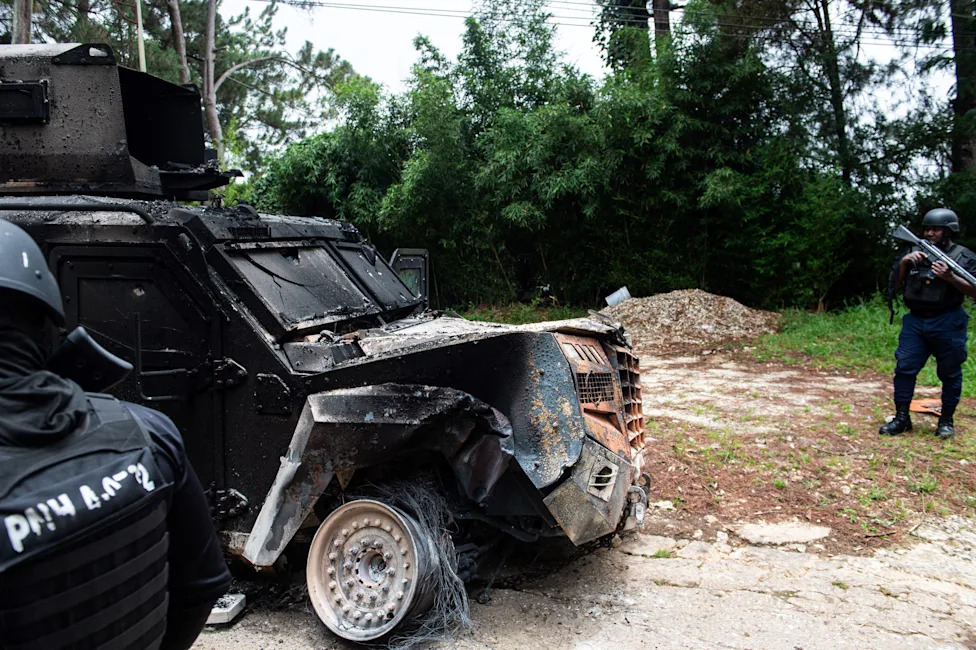
Haitian police officers patrol near one of their armored personnel carriers, which was damaged overnight in Kenscoff, a suburb of Port-au-Prince, on August 7, 2025. At least 3,141 people were killed in the first half of this year by gang violence.(CLARENS SIFFROY, AFP via Getty Images)
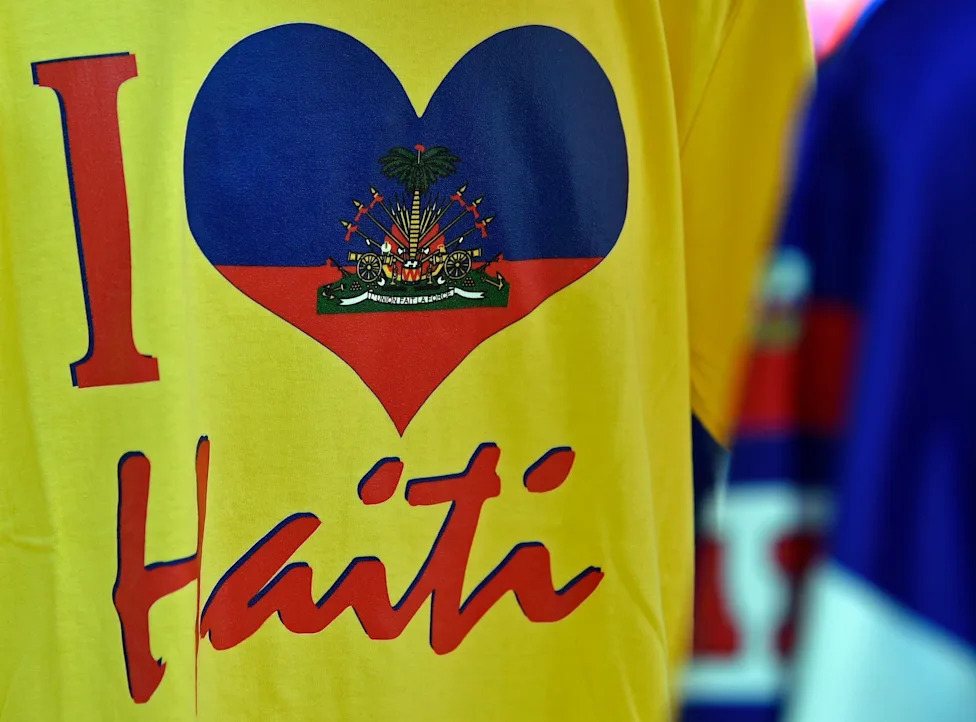
A couple of hundred people attended the first annual Manasota Haitian Flag Day Festival held in Palmetto, Florida's Sutton Park, in May 2025.(THOMAS BENDER)
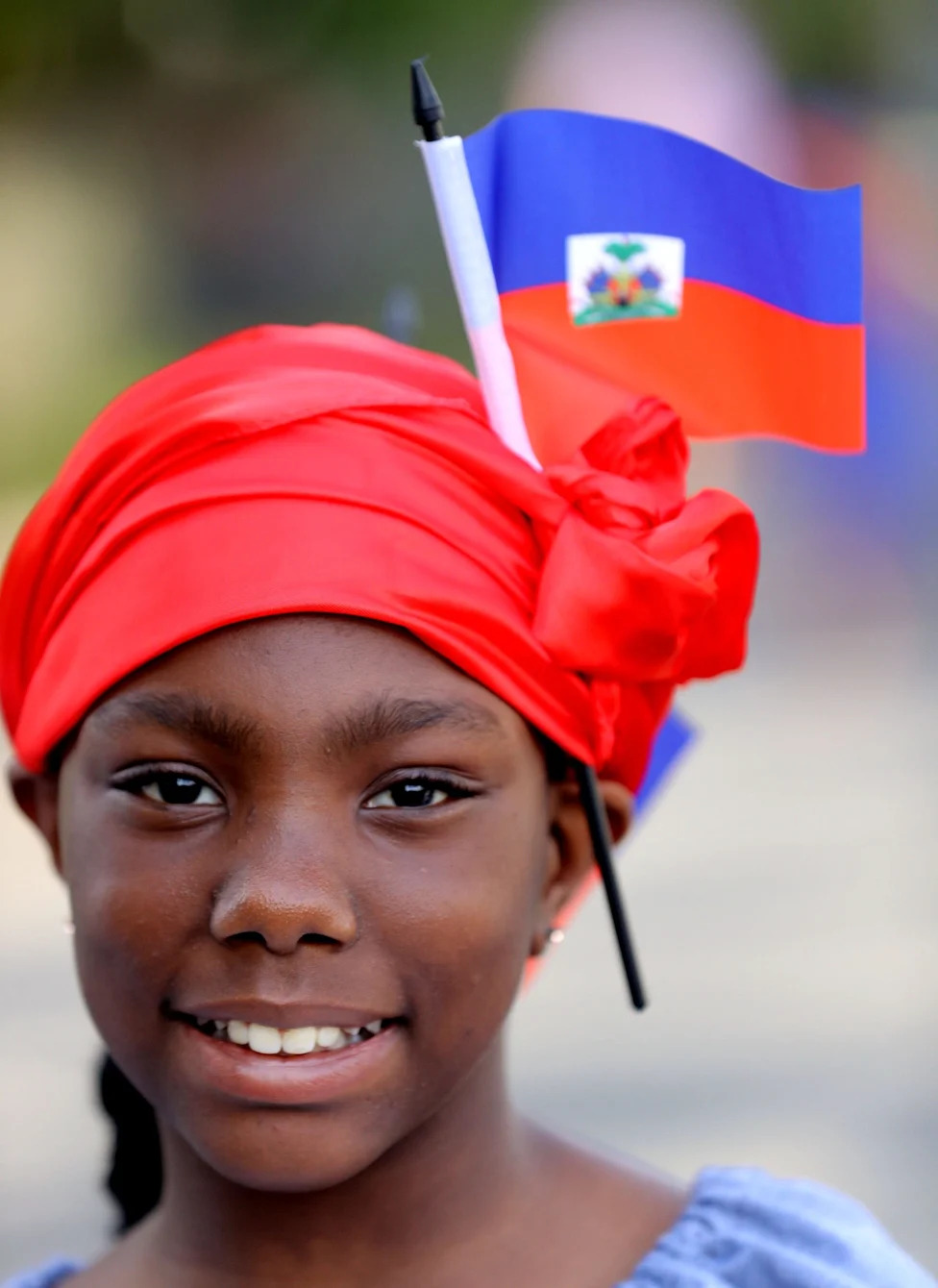
Brielle Cherry, 9, of Spring Valley, New York, wears the Haitian flag as she marched in the Haitian Unity Day in Spring Valley May 23, 2021.(Seth Harrison)
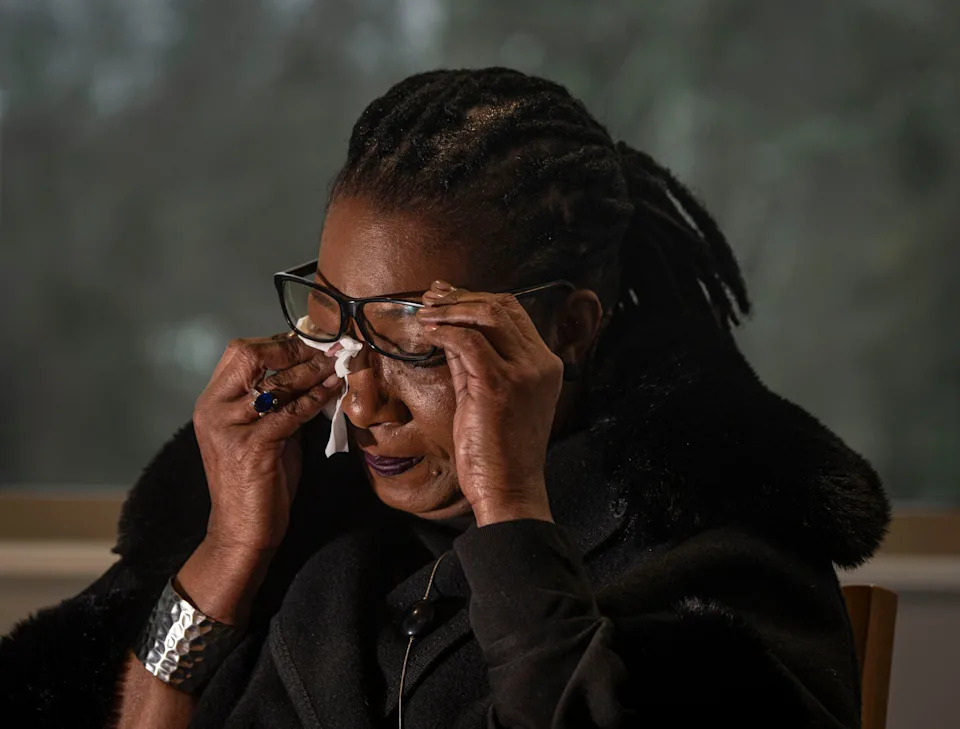
Marie, a Direct Support Professional for Saint Dominic's Family Services in Blauvelt, cries as she talks March 3, 2026 about the consequences of the Trump administration's efforts to end Temporary Protected Status for Haitian immigrants. Marie, a Haitian immigrant who has worked for St. Dominic's for ten years, fears having to leave the people she cares for, saying that she considers them her family. She also fears for her safety should she be deported to Haiti, where she hasn't lived for over twenty years.
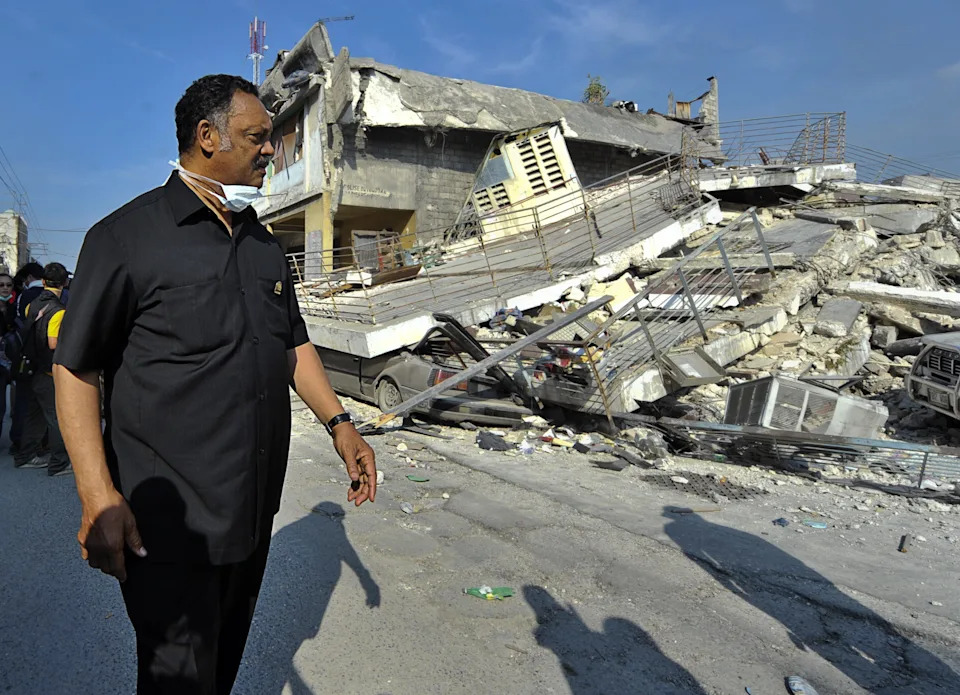
Rev. Jesse Jackson stares at devastaded buildings in Port au Prince on Jan. 20, 2010. A powerful new earthquake rumbled across the ruins of Haiti Wednesday, sending thousands of already traumatized survivors running through the streets, screaming in terror. The 6.1-magnitude earthquake struck eight days after the Haitian capital was leveled by a massive earthquake in which at least 75,000 people were killed, and a million left homeless.
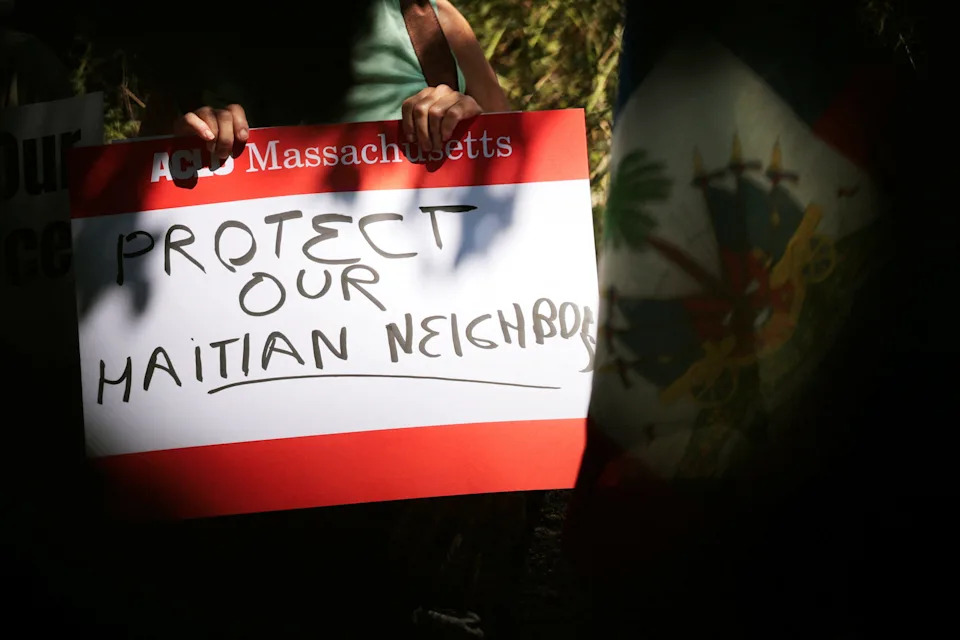
A demonstrator holds a sign reading “Protect Our Haitian Neighbors” at a rally in support of TPS protections for Haitian migrants in Boston, Massachusetts, on July 23, 2026.
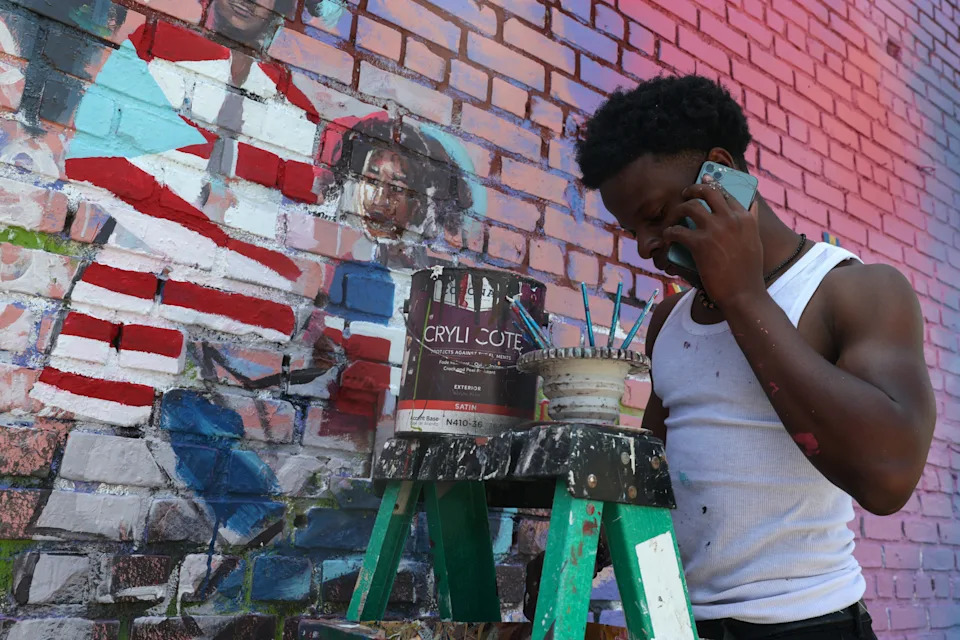
Doudgy Charmant, who said he migrated from Haiti in 2008, paints a mural in Brooklyn's Little Haiti neighborhood on June 25, 2026, the day of a U.S. Supreme Court ruling allowing the Trump administration to strip Temporary Protected Status (TPS) protections from hundreds of thousands of Haitian and Syrian migrants.
Help us improve.