The independent autopsy into 18-year-old Nolan Wells’ July 6 death off Horn Island listed the manner of death as undetermined, citing retained tissues, absent toxicology and decomposition as key limits. The Mississippi State Medical Examiner conducted an earlier autopsy; its full report and toxicology—typically taking six to eight weeks—may clarify whether drowning, trauma or substances were factors. Forensic experts say definitive answers will require combining autopsy findings with witness statements, scene reconstruction and other investigative evidence, and some questions could still remain unanswered.
Independent Autopsy Finds No Definite Cause in Nolan Wells’ Death — State Report, Toxicology Could Provide Clues
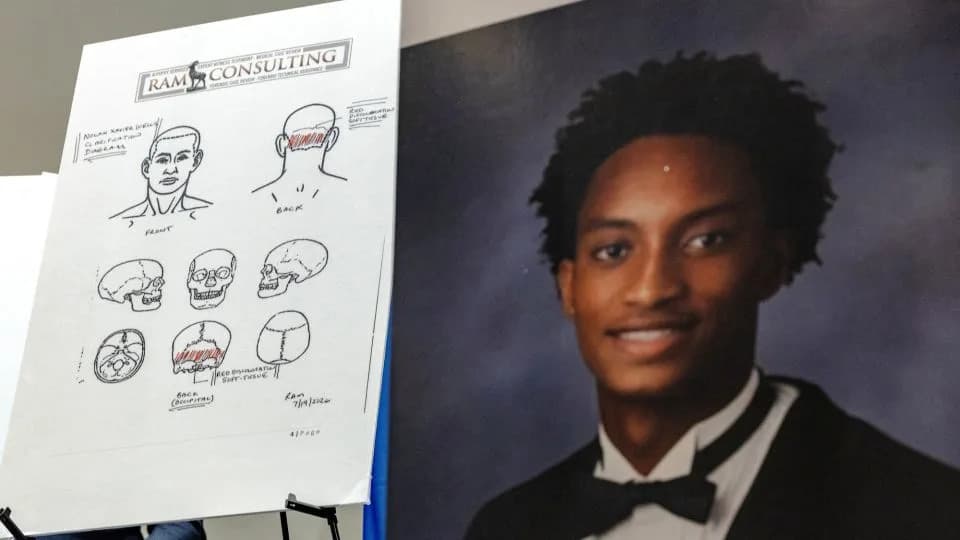
Diagrams depicting preliminary findings from Nolan Wells' independent autopsy are shown during a press conference Wednesday. - Jim Vondruska/Reuters
An independent autopsy into the July 6 discovery of 18-year-old Nolan Wells off Horn Island, Mississippi, could not determine a definitive cause of death and listed the manner as undetermined, a preliminary report released Wednesday said. The privately funded examination, conducted by forensic pathologist Dr. Roger A. Mitchell Jr., identified limits that prevented firm conclusions and said additional investigation and testing are needed.
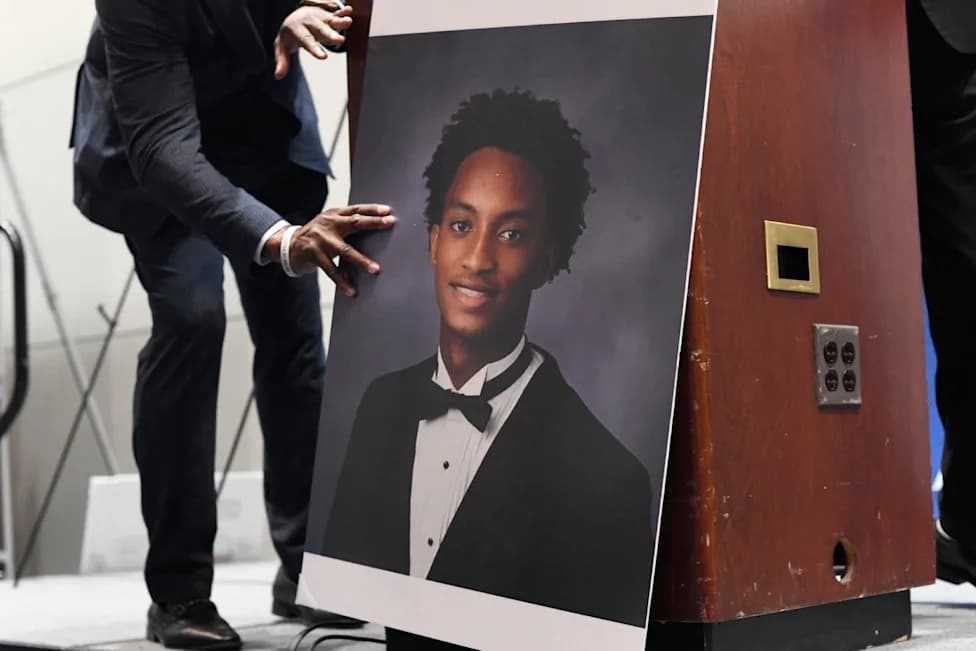
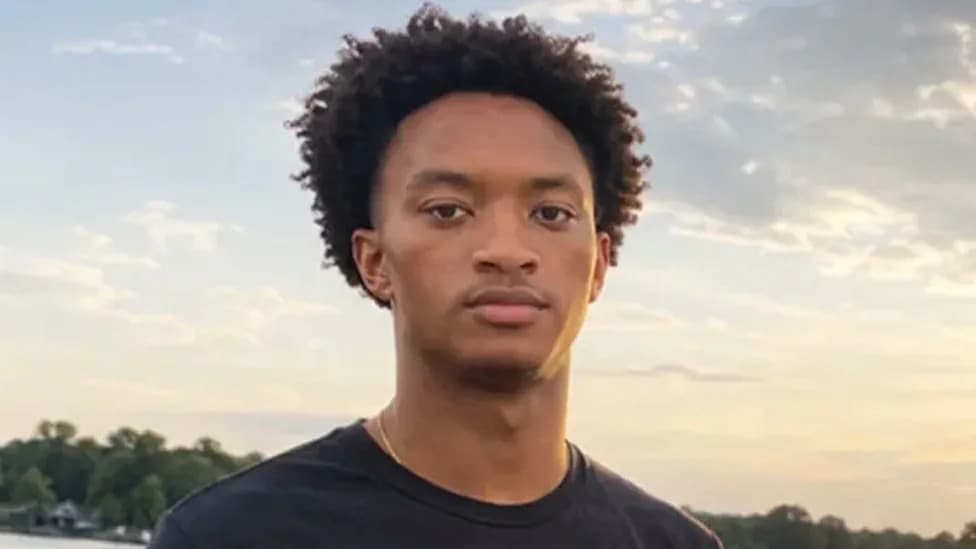
The deceased teen, Nolan Wells, is seen in this image provided by Jackson County Sheriff's Department. - Jackson County Sheriff's Department
Key Limits to the Independent Autopsy
Mitchell noted three main constraints: portions of Wells’ remains were retained by the state during the initial autopsy (a routine practice), toxicology results were not available at the time of the review, and decomposition can obscure injuries and complicate chemical analysis. Because some thoracic and anterior neck structures were withheld after the state autopsy, the independent examiner could not directly assess the airway, lungs or stomach contents.
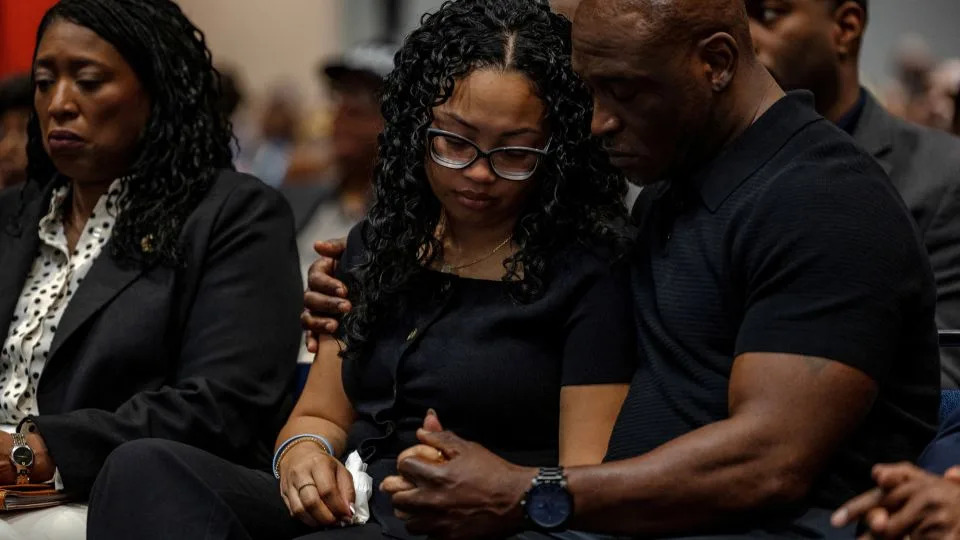
Nolan Wells' parents, Christine Wells-Wonsley and Elmore Wonsley, embrace as the results of a preliminary independent autopsy are announced Wednesday. - Jim Vondruska/Reuters
What the Independent Autopsy Found
The independent review did not document obvious lacerations, fractures or deep soft-tissue injuries. It did note a red discoloration in the soft tissue at the back of the head, but experts said that finding could reflect decomposition, postmortem lividity (blood pooling), or blunt-force trauma — and that the state’s retained tissues and investigative facts will be needed to clarify its significance.
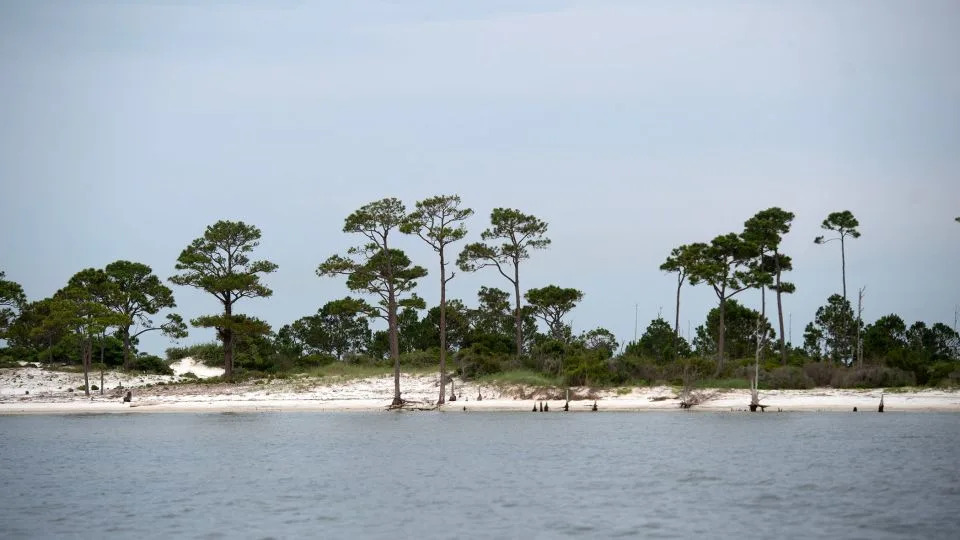
Horn Island, a Mississippi Gulf Coast barrier island south of Ocean Springs, Mississippi, is seen on May 21, 2025. - Barbara Gauntt/Clarion Ledger/USA Today Network/Imagn Images
Pending State Autopsy, Toxicology and Investigation
The Mississippi State Medical Examiner’s office performed the official autopsy on July 7; its findings and standard toxicology results remain pending. Toxicology testing can take six to eight weeks, experts say, and may reveal whether alcohol, drugs or medications played a role in incapacitation. Investigators have interviewed dozens of witnesses, and the Jackson County Sheriff’s Department is working with the FBI as the probe continues.
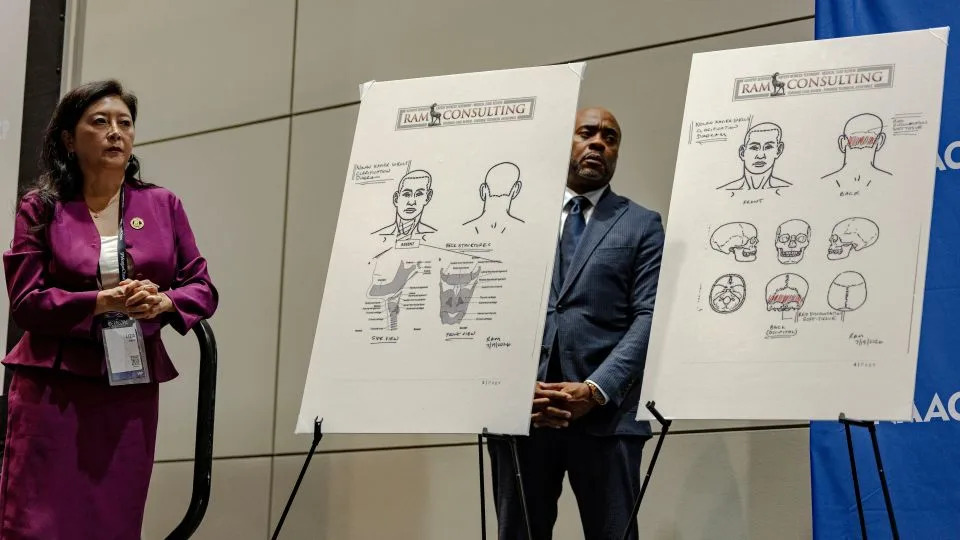
Diagrams depicting Nolan Wells' body parts are displayed during the announcement of the results of an independent autopsy. - Jim Vondruska/Reuters
Unanswered Questions
- How did Wells enter the water — accidentally, voluntarily, or involuntarily?
- Was he conscious or unconscious when he entered the water?
- Is there injury to the anterior neck, spine or brain that could explain sudden incapacitation?
- What do toxicology and retained-tissue examinations show?
Forensic pathologists emphasize that no single autopsy finding definitively proves drowning or whether entry into the water was voluntary. Strong conclusions usually come from integrating autopsy results, full toxicology, retained-tissue examinations, witness statements, scene reconstruction, emergency medical records and other investigative evidence.
Community Concerns and Family Response
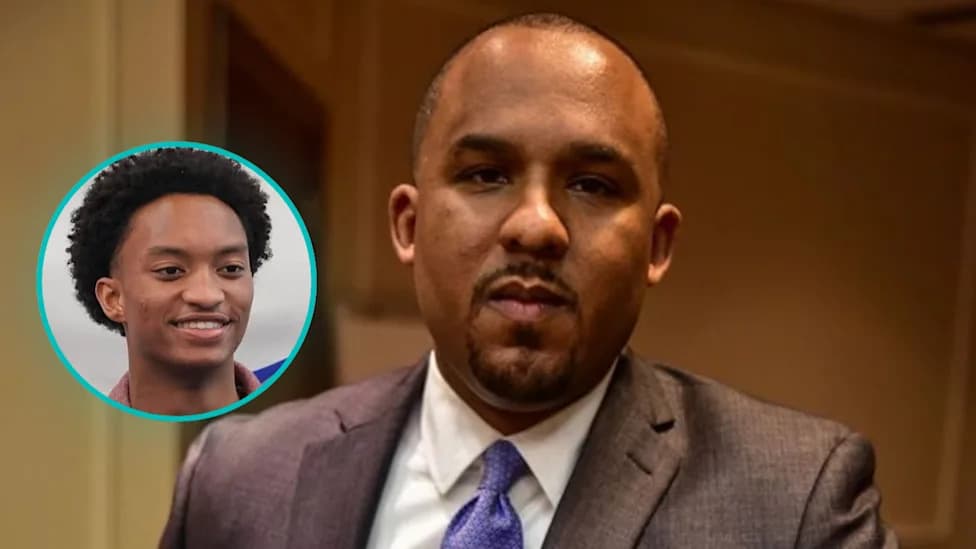
The teen’s family, represented by attorney Ben Crump, sought an independent autopsy, saying the circumstances "are not adding up." The case has drawn national attention and speculation about whether race played a role, a factor experts and community leaders say has affected public trust in the investigatory process.
Experts’ Perspective
"An autopsy alone rarely provides every answer; the strongest forensic conclusions come from integrating the medical findings with the investigative evidence," said forensic pathologists who reviewed the case. They cautioned that even with the state examiner’s access to retained tissues and a complete investigative file, some questions may remain unresolved.
The state medical examiner’s full report and toxicology results are expected to provide additional context. Until investigators integrate those findings with witness accounts and scene evidence, the precise circumstances surrounding Nolan Wells’ death may remain uncertain.
Help us improve.