Tribes and environmental groups have filed two lawsuits challenging the Bureau of Land Management's reinstatement of a right-of-way for Cadiz Inc.'s Northern Pipeline, which would move groundwater from the Mojave Desert to coastal users. Plaintiffs say the project aims to extract about 16.3 billion gallons per year for 50 years and that accelerated pumping could dry springs, degrade habitat, mobilize toxic dust and harm culturally significant areas. They seek to overturn the BLM's decision and force a full federal environmental review to assess the project's ecological and cultural risks.
Tribes and Environmental Groups Sue Over Revived Mojave Pipeline, Citing Aquifer, Habitat and Cultural Risks
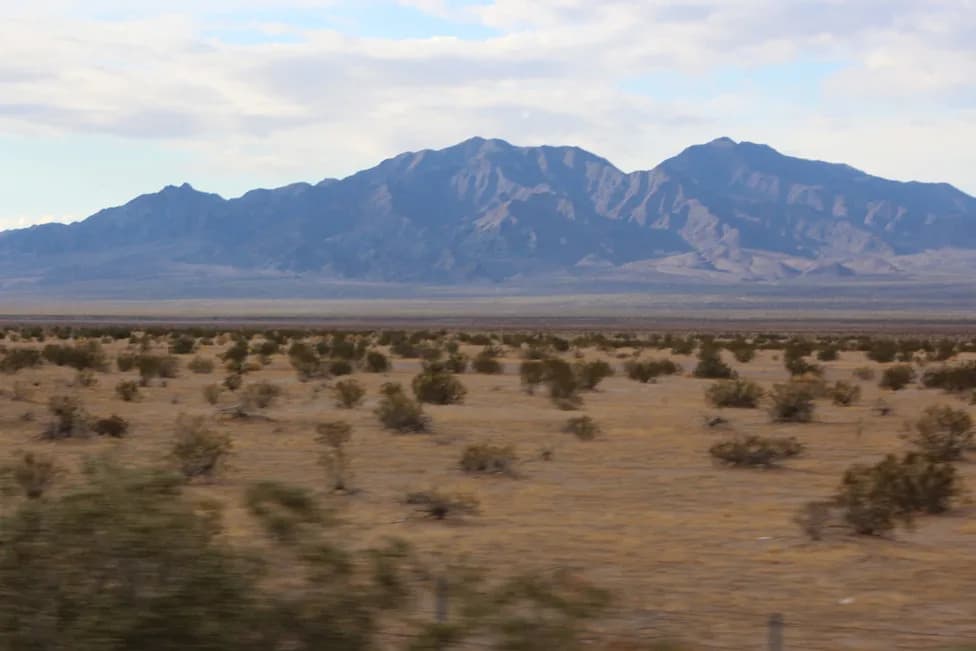
Photo Credit: iStock
New lawsuits have been filed against a proposed water-transfer project in California's Mojave Desert after the U.S. Bureau of Land Management (BLM) reinstated a right-of-way for the route — a corridor the Biden administration had previously re-examined and the Trump administration later restored.
Who Sued and What They Are Challenging
Two separate complaints were filed: one in Los Angeles by the Center for Biological Diversity and the Sierra Club, and another in Riverside by the Fort Mojave and Chemehuevi Tribes together with the Native American Land Conservancy and the National Parks Conservation Association. Both suits challenge the BLM decision to re-authorize the so-called Northern Pipeline corridor across protected Mojave terrain.
The Project
Cadiz Inc. proposes to repurpose a retired oil-and-gas pipeline as part of its Mojave Groundwater Bank project, transporting groundwater from an aquifer north of Joshua Tree National Park to users on the California coast. According to filings and press reports, the project is intended to extract roughly 16.3 billion gallons of groundwater per year for 50 years.
Environmental and Cultural Concerns
Plaintiffs warn the renewed approval could accelerate pumping in one of North America’s driest regions and drive down the water table. They say this drawdown would imperil freshwater springs, desert habitats and riparian areas that sustain wildlife and are culturally significant to local tribes.
"The resulting drawdown of the water table will cause many freshwater springs of critical importance to desert plants and animals to go dry," the nonprofit groups wrote in one complaint.
They also contend that declining groundwater could desiccate playa lakebeds, mobilize toxic dust, and harm nearby communities that depend on the landscape’s ecological balance.
Legal Aim and Potential Outcomes
The plaintiffs seek court orders to reverse the BLM's authorization and require a full federal environmental review under laws such as the National Environmental Policy Act (NEPA). Tribal plaintiffs have emphasized that the project has advanced without sufficient federal scrutiny of what they call "potentially catastrophic impacts."
If the courts rule in the plaintiffs' favor, federal agencies could be required to reopen and conduct a more transparent, comprehensive review of environmental and cultural risks before the project could proceed.
Why This Matters
The dispute highlights growing tensions over water transfers in a hotter, drier West, the stewardship of public lands, and the protection of tribal cultural sites and desert ecosystems amid competing resource demands.
Help us improve.