The Alien Terrorist Removal Court—created in 1996 but unused for about 30 years—was activated for the first time as the Justice Department seeks to deport Nazira Haji Zada, a lawful permanent resident arrested in Texas and accused of aiding an ISIS-linked plot tied to the 2024 election. Most filings are classified, and the court allowed the case to proceed after an initial hearing. Haji Zada's lawyers moved to dismiss, arguing the process circumvents ordinary criminal protections and violates constitutional rights. Judge Joan Erickson denied the motion but signaled she will require a strong justification for withholding classified evidence.
First Use Of Alien Terrorist Removal Court: DOJ Moves To Deport Afghan U.S. Permanent Resident
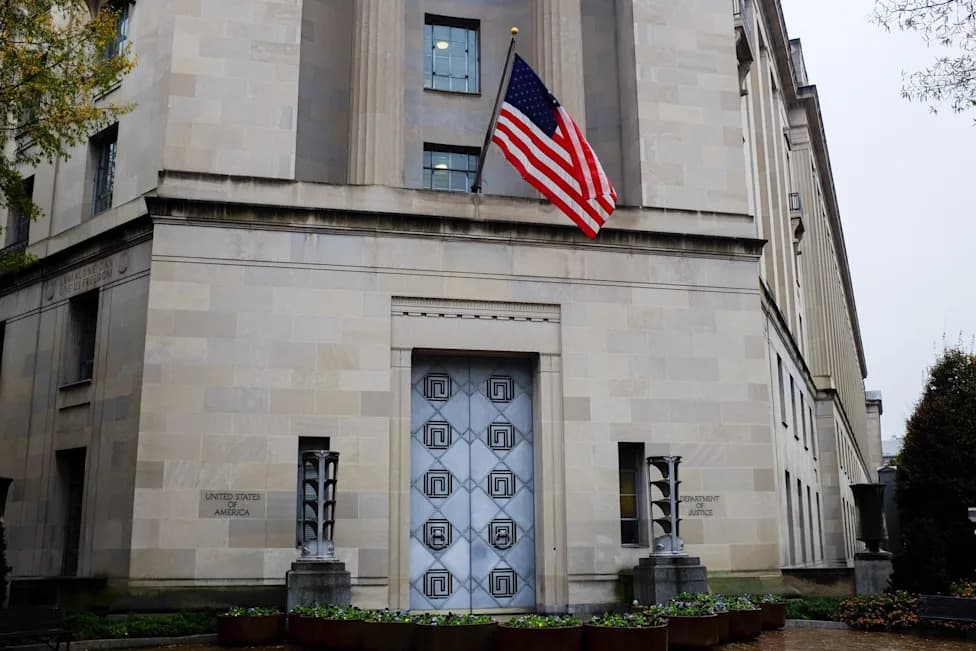
Obscure court hears first-ever case in attempt to deport permanent US resident
The obscure Alien Terrorist Removal Court was activated for the first time this week as the Justice Department seeks to remove Nazira Haji Zada, a lawful permanent resident arrested in Texas and accused of aiding relatives who allegedly planned an ISIS-linked mass-casualty attack tied to the 2024 election.
What Happened
Federal authorities say Haji Zada helped her son and son-in-law plan the foiled attack and that she pledged loyalty to ISIS and promoted extremist ideology within her family. Most of the filings in the case are classified; the public has seen only a brief unclassified summary of the government's accusations.
The Court And The Hearing
Congress created the Alien Terrorist Removal Court in 1996 as a specialized forum to handle removal of noncitizens the government deems national security threats. The tribunal had not been used in roughly three decades before this case.
At an initial hearing, the court's chief judge, Joan Erickson, expressed early skepticism about launching the court but concluded the Justice Department's materials were sufficient to proceed. She warned that the court's procedures are largely untested and pledged careful adherence to constitutional protections as the matter moves forward.
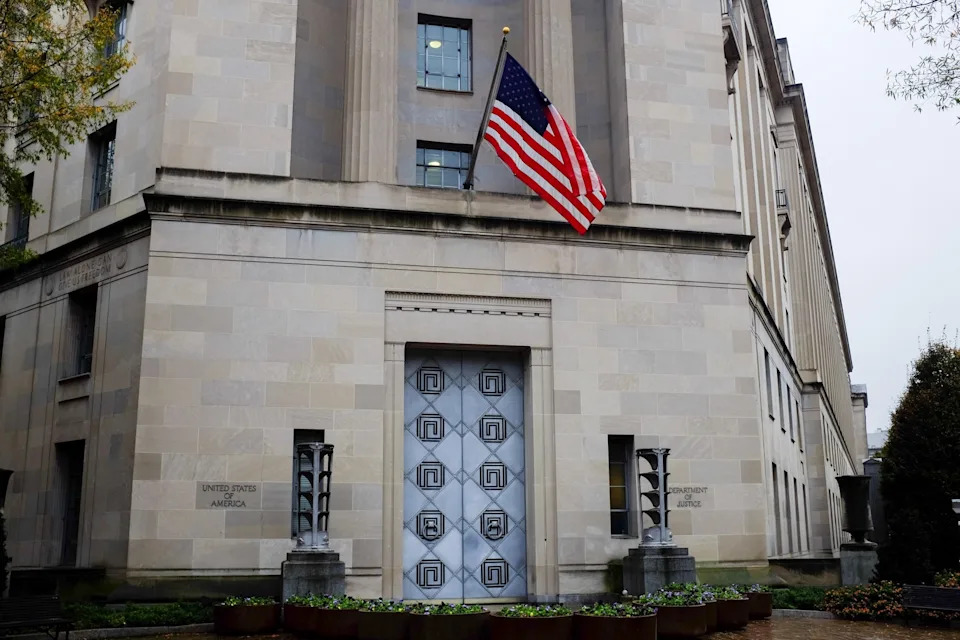
Adobe Stock - PHOTO: The US Department of Justice (DOJ) headquarters building in Washington, D.C.
"We will be careful and circumspect and give fealty to the Constitution," the judge said, acknowledging potential procedural challenges in using a dormant forum for the first time.
Arguments From Both Sides
The Justice Department framed the activation of the court as a necessary tool to handle cases that rely on classified information, arguing that broader disclosure could hinder investigative techniques or allow malicious actors to evade detection. A DOJ statement described the proceedings as a significant step in addressing national security risks posed by noncitizens living in the United States.
Haji Zada's court-appointed lawyers pushed back, filing a motion to dismiss and arguing that using this tribunal to remove a lawful permanent resident improperly circumvents ordinary criminal procedures and undermines constitutional guarantees. They contend the public, unclassified filings are "woefully inadequate" and said that attempting to deprive a permanent resident of their rights based on a sparse public summary violates due process.
Assistant Federal Public Defender Matthew Farley argued the government's unclassified filings provide insufficient detail for a fair defense and that defense counsel must be given meaningful access to the evidence needed to challenge the allegations.
Next Steps
Judge Erickson denied the defense motion to dismiss but left open significant legal questions about how classified materials will be handled in this forum. No date has been set for a formal removal hearing. In the coming weeks, prosecutors and defense attorneys will litigate what classified evidence, if any, defense counsel and the public may see, and whether special procedures in this court can satisfy constitutional and due-process protections.
Why It Matters: The case will test a little-known statutory mechanism for dealing with national security threats and could shape future use of classified evidence in immigration removal proceedings.
Help us improve.