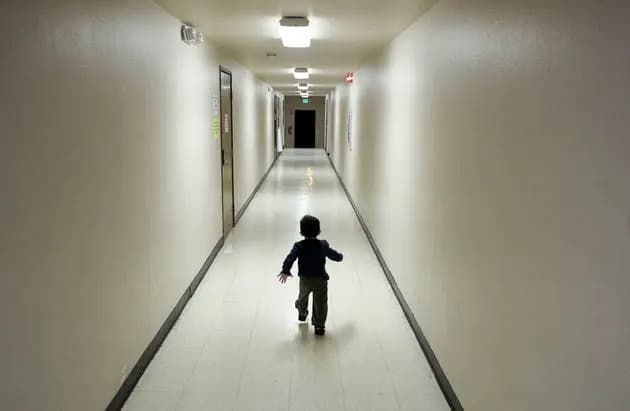
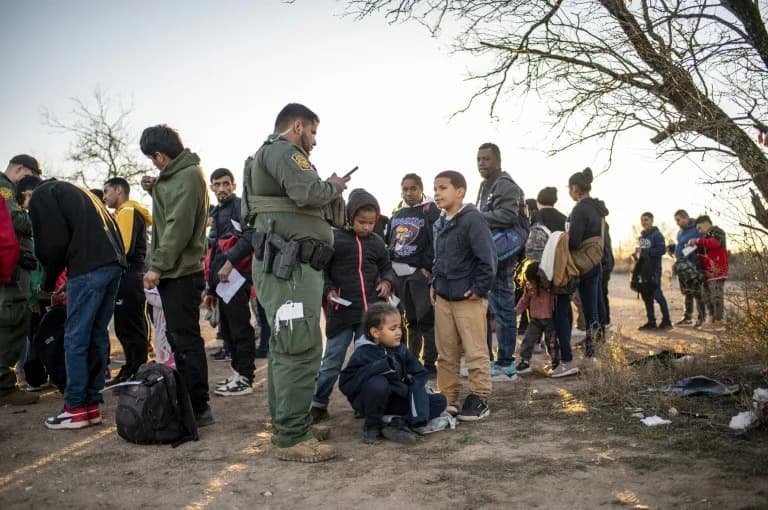
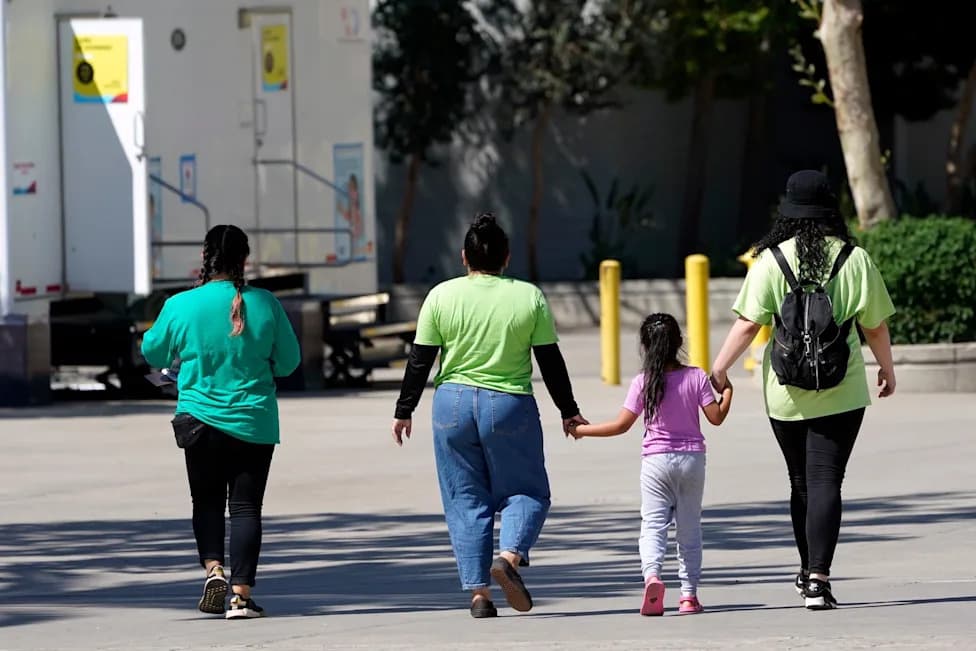
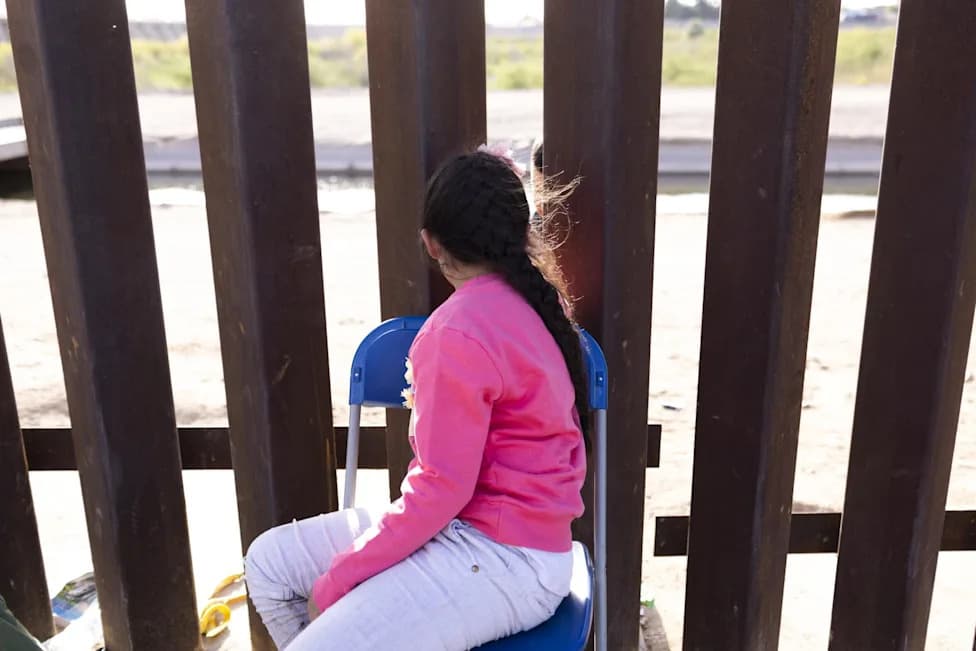
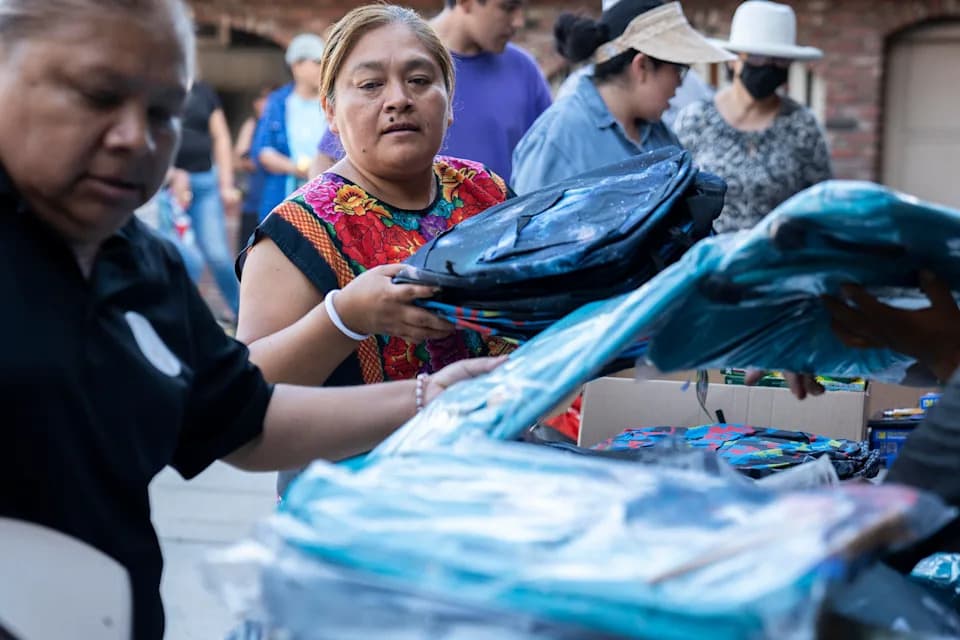
Attorneys at Estrella del Paso, a free immigration legal clinic in El Paso, Texas, carry a strikingly simple tool to certain hearings: a stuffed animal. The plush toys accompany lawyers whenever they represent unaccompanied immigrant children — youngsters who arrived at the U.S.-Mexico border without a parent or guardian or, increasingly, were detained in the interior of the United States.
That tactile care is part of two decades of expertise the organization has developed supporting minors in immigration proceedings. But this week Estrella del Paso said it will stop providing services under a government-funded program unless long-overdue payments arrive. The clinic says it is owed nearly $1 million and currently represents 243 children.
What Providers Say Is Happening
Estrella del Paso is one of many nonprofit subcontractors nationwide that together represent more than 24,000 unaccompanied children. These organizations say the federal government has not paid them for months of completed work — an unpaid total litigants estimate at more than $65 million — and that no reimbursements have been made for work performed since November.
Providers say the Department of Health and Human Services (HHS), through the Office of Refugee Resettlement (ORR), has conditioned payment on delivery of client information they consider confidential. In recent filings, legal providers say government officials demanded "timesheet-style" data for each child and details about the specific work individual attorneys performed — records that were not previously required and that may include privileged information.
“We know what happens when children go to court without an attorney: one word — deportation. And that, frankly, is what the government wants,” said Melissa Lopez, executive director of Estrella del Paso.
Escalation And Enforcement Tactics
Providers report that federal agents visited some nonprofit offices unannounced and, they say, without warrants while seeking records. When providers proposed a compromise — a forward-looking list showing which children received representation in a given month, hours billed per case, and each case's government identification number (with client consent for certain details) — officials declined.
Because of the payment stoppage and the absence of a contract extension (the latest short-term "bridge" contract is set to expire Friday), organizations around the country have furloughed attorneys, stopped taking new clients, and in some cases announced plans to withdraw from the government program. Kids In Need Of Defense (KIND) says it is owed more than $20 million; The Door reports nearly $2 million is unpaid to them.
Legal Pushback And Deadlines
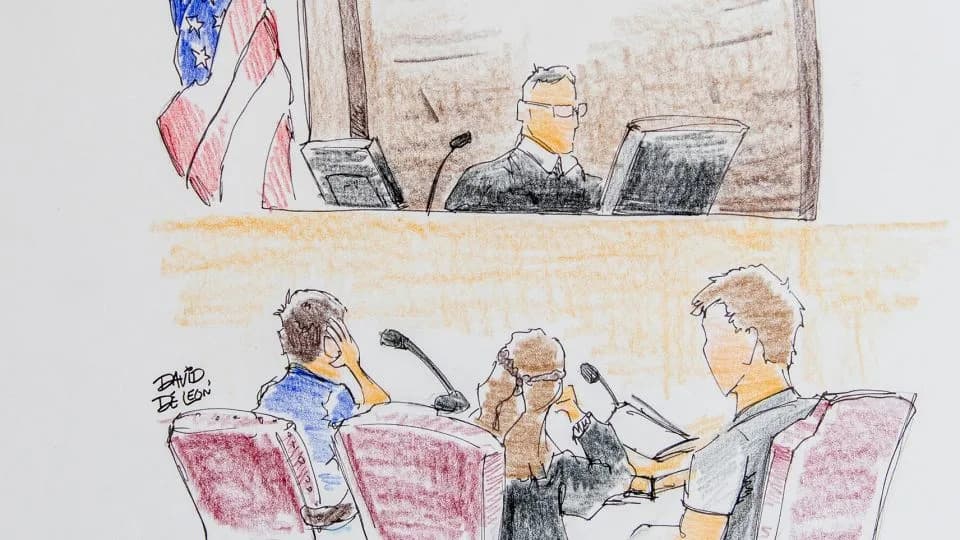
Several providers, including Estrella del Paso and Amica Center for Immigrant Rights, are plaintiffs in CLSEPA v. HHS, a lawsuit challenging the funding freeze. Although a judge previously blocked the administration from eliminating program funding outright, the dispute over reimbursements has continued. Providers filed an emergency motion seeking payment; the court set a response deadline for the administration and scheduled a hearing for Aug. 6.
Why This Matters For Children
Congress created a funding stream in 2008 to ensure thousands of unaccompanied children could obtain legal representation in removal proceedings. Without these services — and amid efforts to accelerate case processing — children may appear in court unrepresented and face a heightened risk of deportation.
Advocates describe a broader pattern of pressure on migrant children under the Trump administration: average time in ORR shelters has risen from a few days to roughly 200 days; family members who try to claim children have sometimes been arrested after coming forward; and Reuters and ProPublica reporting shows thousands of arrests and elevated rates of detention and removal for unaccompanied children in recent months.
As the funding standoff continues, legal providers warn that even if a new bridge contract is issued, many organizations cannot sustain operations without back payments — and without a contract they may be denied access to children in government custody. The result could be thousands of children facing crucial hearings without lawyers or trusted advocates.
The Department of Health and Human Services did not respond to requests for comment on these claims.