The Supreme Court's approval rating has fallen to a Gallup-record low of 33% in a July 1–19 survey, driven mainly by a drop in Republican support. Democratic approval has remained weak since the Dobbs decision overturned Roe v. Wade in 2022. Polling shows conservative voters favor justices who dissented in the birthright-citizenship case, while justices who joined the majority have lower favorability among Trump voters. Sustained unpopularity could revive calls for institutional reforms such as court expansion.
Supreme Court Approval Falls to Record Low as Republican Support Slides
AP News
Public trust in major American institutions has fallen sharply in recent years, and the Supreme Court is now registering historically low approval ratings. A July Gallup survey finds just 33% of Americans approving of the Court — the lowest level Gallup has recorded.
Poll Details
The Gallup poll, conducted July 1–19, shows approval at 33%, down from 42% in September 2025 and below the previous Gallup low of 39% in July 2025. Historically, Gallup approval for the Court ranged between roughly 40% and 61% from the time the question was first asked through 2020, and had not fallen under 40% until 2025.
Partisan Shifts Drive Decline
The recent drop is driven primarily by Republicans. In September 2025, 79% of Republicans approved of the Court; that share fell to 58% in the July poll. Democrats' approval remains low at 12%, while independents register 35% approval. Democratic confidence dipped sharply after the Dobbs decision in June 2022, which overturned Roe v. Wade — Democratic approval fell from 36% in September 2021 to about 13% shortly after Dobbs.
Which Decisions Mattered?
Analysts attribute the GOP slide to several high-profile rulings that went against the Trump administration, notably on birthright citizenship and tariffs. These decisions appear to have mattered more to many conservative voters than other rulings that favored the administration, such as affirming a president's authority to remove certain executive-agency officials or upholding state restrictions on transgender athletes in women's sports.
Justices' Favorability Among Conservative Voters
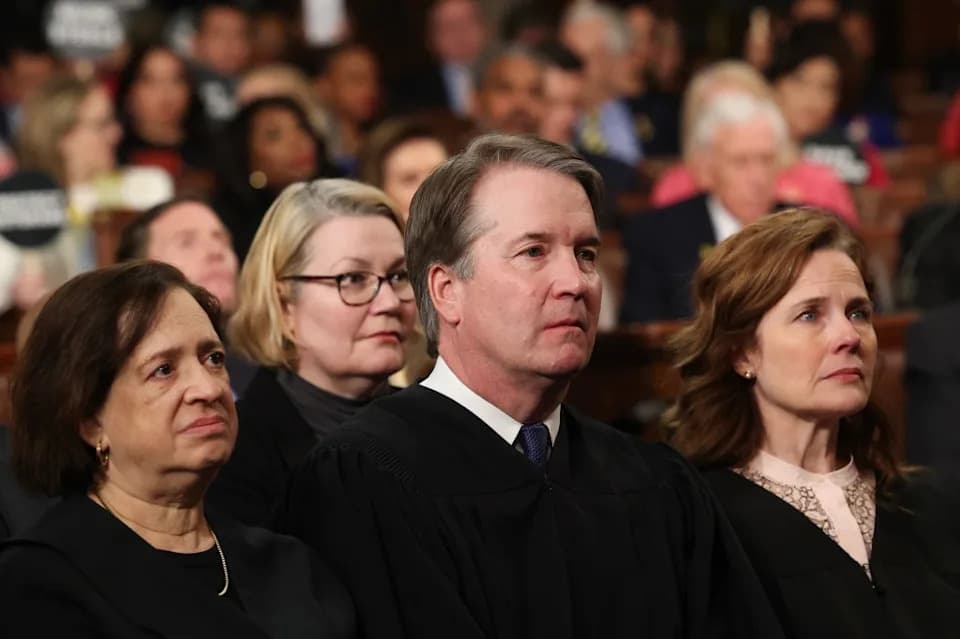
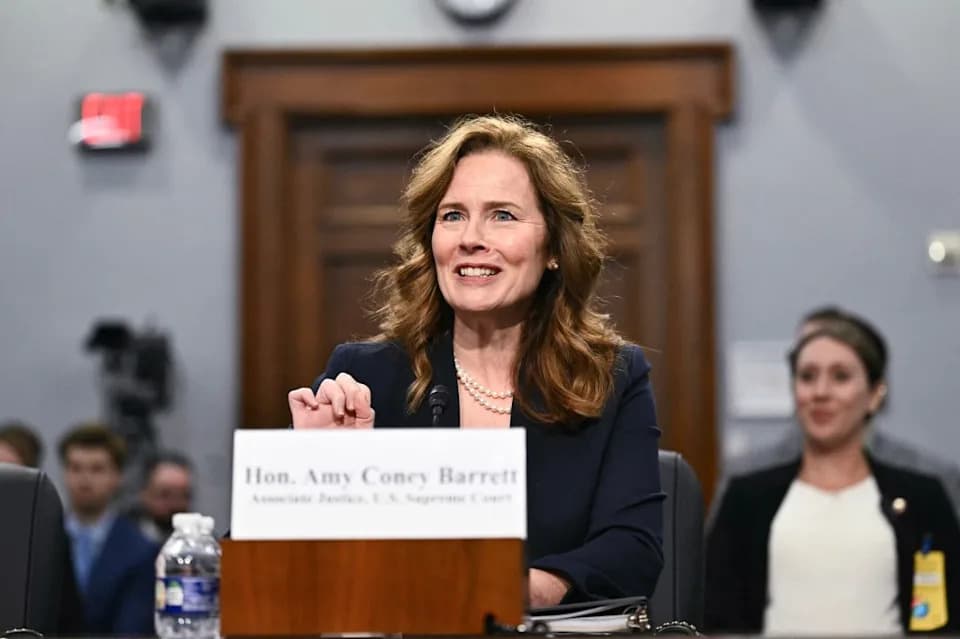
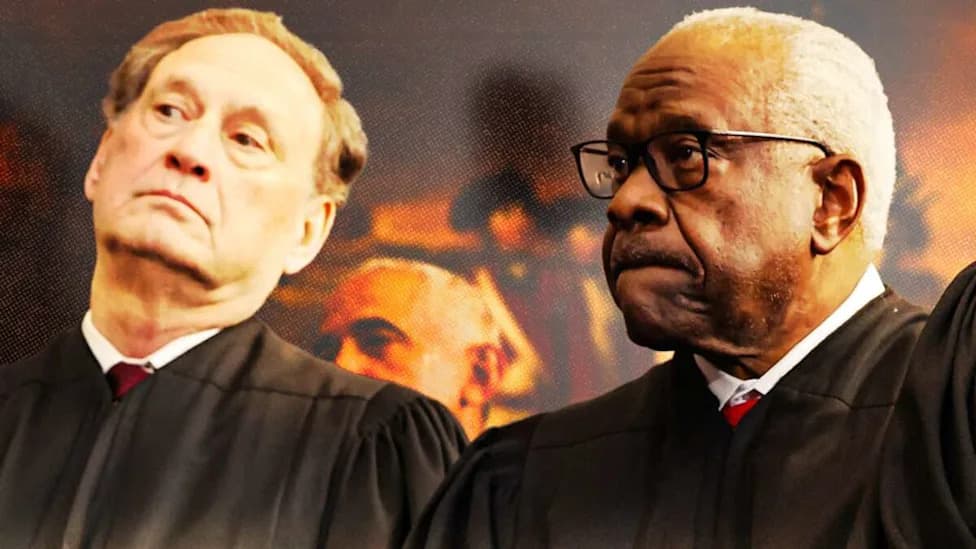
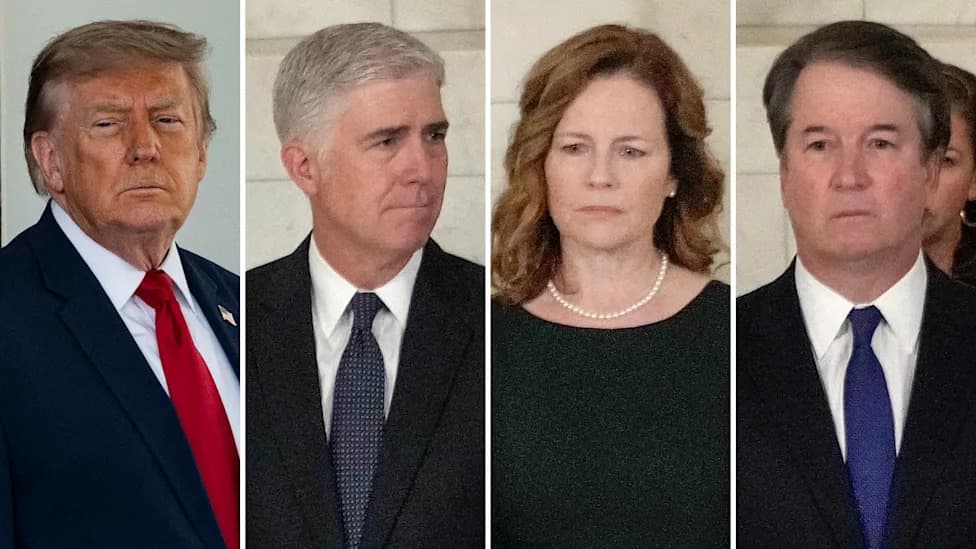
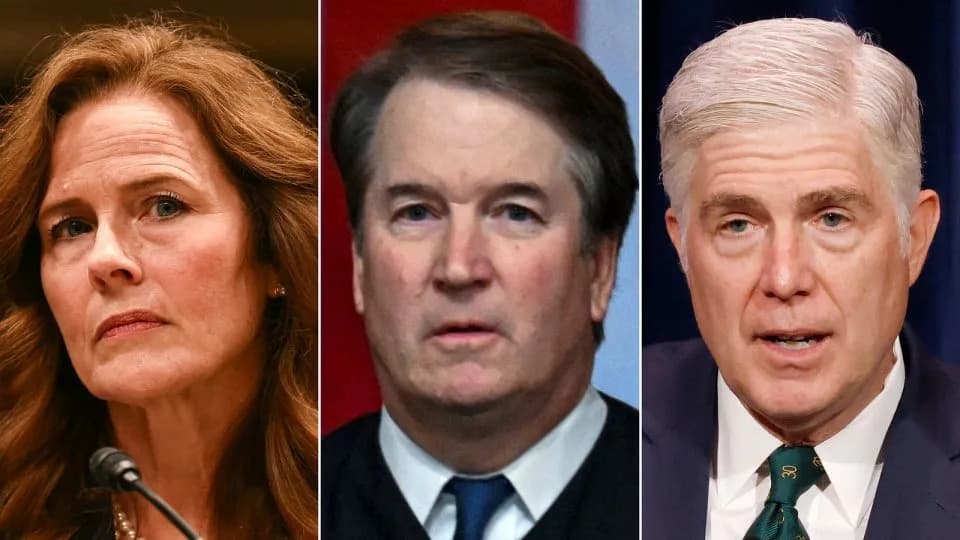
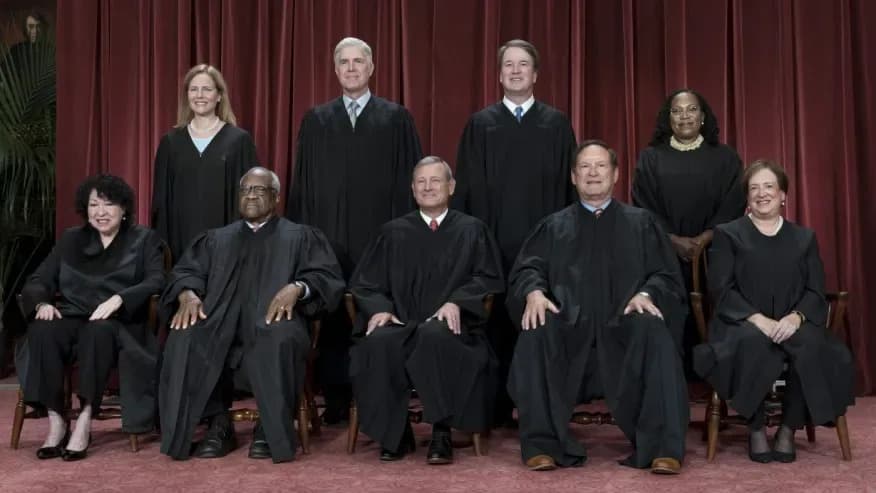
Polling by Economist/YouGov (July 3–6) shows conservative voters favoring the justices who dissented in the birthright-citizenship case (Trump v. Barbara). Among 2024 Trump voters, Justice Clarence Thomas — author of a dissent — had about a 64% favorability rating. Justice Brett Kavanaugh (partial dissent) was around 58%, while Justices Samuel Alito and Neil Gorsuch were roughly 53% and 51%, respectively. By contrast, Justice Amy Coney Barrett and Chief Justice John Roberts, who joined the majority holding that the Constitution guarantees birthright citizenship, had lower favorability among Trump voters (about 38% and 47%, respectively).
Institutional Concerns And Reform Talk
Supreme Court justices are deliberately insulated from public opinion through lifetime appointments and the absence of direct elections, a design intended to protect judicial independence. Still, prolonged unpopularity can increase pressure for structural change. Former Vice President Kamala Harris, speaking on a call with the nonprofit Emerge earlier this year, suggested inviting ideas for Supreme Court reform — including proposals such as expanding the court — and such proposals tend to gain traction when public confidence declines.
Context: Congress, Too, Faces Low Approval
Even at 33% approval, the Court is not the least popular branch: the RealClearPolitics polling average shows roughly 23% approval for Congress. That figure is low but not unprecedented; during President Barack Obama's second term, congressional job approval never rose above 20% and hit a record low near 8.5%.
Bottom line: The Supreme Court's record-low approval reflects long-running partisan polarization and reactions to recent landmark decisions. If low approval persists, it could intensify calls for reforms that would test the balance between accountability and judicial independence.
Help us improve.