Rising gasoline prices in Los Angeles County — which topped $6 per gallon at times this year — have driven some residents back to public transit and bike-share programs. After paying $105 to fill his car, a Glendale musician discovered he qualified for Metro Life and began using buses and trains instead. Transit agencies reported ridership gains as service improvements and low-cost options made switching easier. Metro's Bike Share also rose 11.5%, highlighting a broader shift toward more affordable travel choices.
Sticker Shock: LA Driver Pays $105 to Fill Up, Switches to Metro as Gas Tops $6
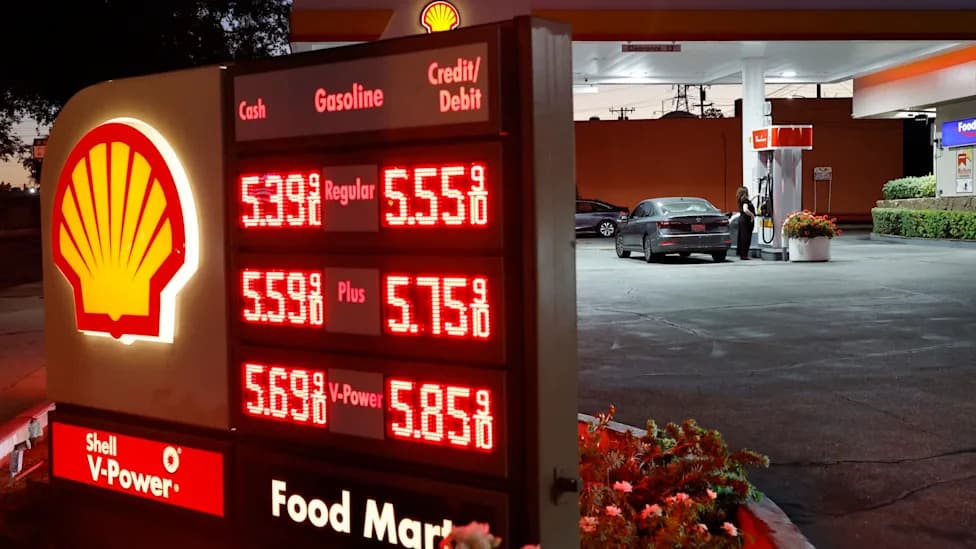
Photo Credit: Getty Images
One Los Angeles-area driver says a $105 premium fill-up convinced him to park his car and start using public transit instead.
As pump prices climbed above $6 per gallon in parts of Los Angeles County this year, some residents returned to buses, trains and bike-share programs to cut costs and rethink their daily commutes. The spike in fuel costs — which AAA and local reports linked to geopolitical tensions after a late February offensive involving the United States and Israel in Iran — pushed many riders back onto transit systems.
In May, 27-year-old Glendale resident and professional saxophonist Christopher Astoquillca paid $105 for premium gas for his 2002 Mercedes-Benz Kompressor and photographed the receipt, The LA Local reported. The price tag prompted him to check transit options; after learning he qualified for Metro Life — a program that provides 20 free Metro bus and rail rides for eligible low-income riders — he said,
"I put my car down for a week."
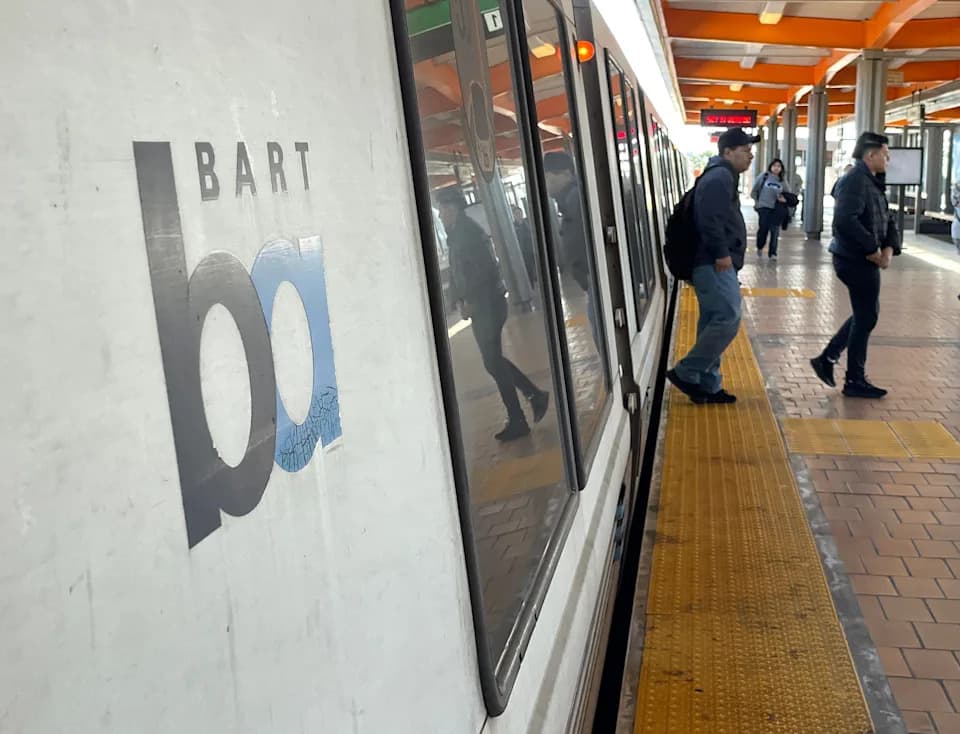
Transit agencies saw measurable ridership gains as prices rose and service improved. Metrolink reported about a 4% increase in riders after gasoline prices began climbing in early March, making March its busiest month since before the COVID-19 pandemic. Metro Rail posted gains as well, with ridership in March and April up about 5.4% from the same period in 2024.
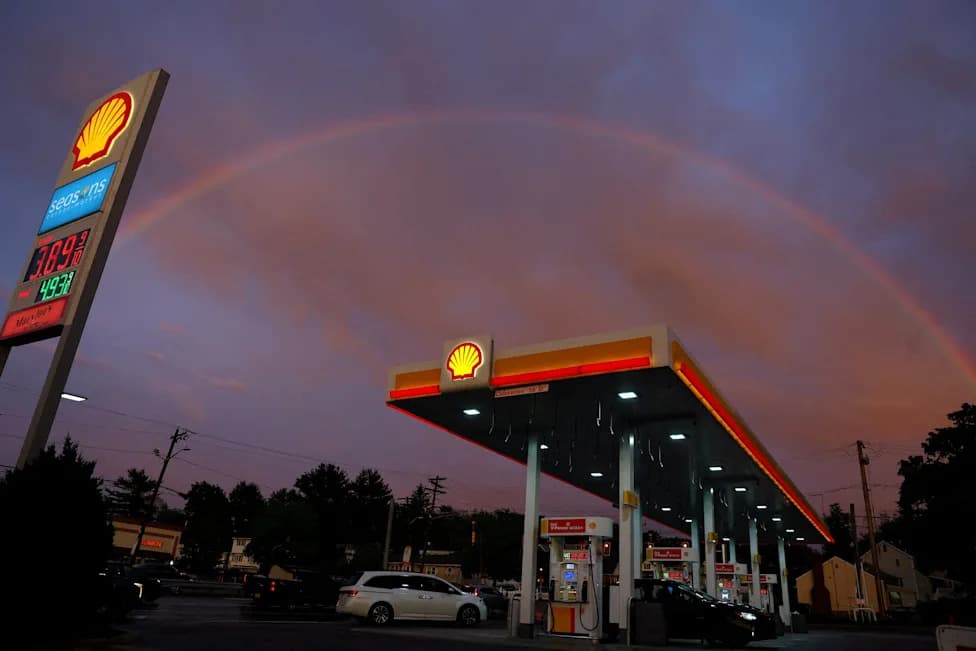
According to AAA data cited in local coverage, by late March gas in Los Angeles County averaged roughly $5.80 per gallon, and the broader Los Angeles–Long Beach average later reached about $6.10. Even after easing from their peaks, prices remained well above year-earlier levels; AAA figures put the late-July average in LA County near $5.57 per gallon versus roughly $4.40 a year earlier — a difference that hits household budgets.
Metro emphasized the relative affordability of transit. "With gas prices in April averaging roughly $5.70 per gallon, the ability to travel across the county for just $1.75 makes rail an increasingly attractive and cost-effective alternative," said Maya Pagoda, a Metro representative.
Riders described unexpected benefits beyond savings. Diego Torres-Casso, a 28-year-old East LA resident, said longer transit trips allow him time to read, work or decompress. "I have also just relaxed and looked out the window and enjoyed just being a passenger. It's kind of a nice way to see the city," he said. He also appreciated the social aspect: "It weirdly also kind of makes me feel a little bit more connected to my local community by being able to take the bus."
Service expansions and alternative options made the switch easier for many Angelenos. Recent rail links to LAX and Union Station, along with improved schedules, helped boost ridership. Metro's Bike Share program also saw an 11.5% increase in use this year, offering another lower-cost option for short trips.
For Astoquillca, the memory of that $105 receipt still resonates: "I sent it to a few friends who have Priuses and they were like, 'Oh my god. I'm sorry.'"
Why it matters: Rising fuel costs combined with better transit service and targeted programs like Metro Life are nudging some Angelenos away from solo driving toward more affordable, and sometimes more pleasant, alternatives.
Help us improve.