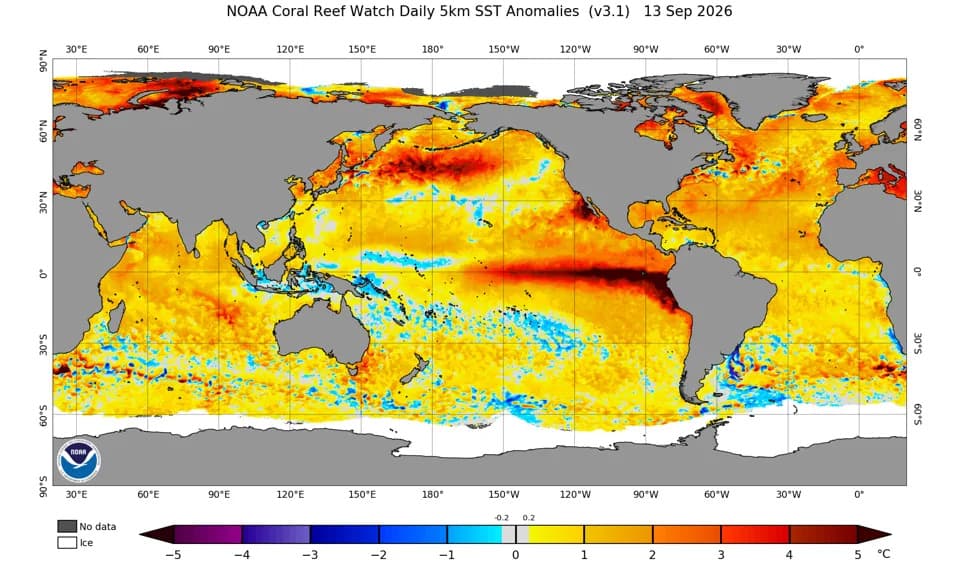
El Niño, reinforced by a marine heat wave, is expected to push warmer tropical waters north into California, bringing juvenile white sharks, rays, tropical fish and occasional venomous sea snakes. Scientists say sightings of juvenile white sharks have already risen and warn stingray injuries — historically treated at least 10,000 times a year by California lifeguards — could climb. Monitoring projects are sharing sightings with lifeguards and the public, and experts urge vigilance and simple safety measures as ocean ecosystems shift.
El Niño to Bring Tropical Visitors — Expect a 'Sharky, Stingray' Summer Along California
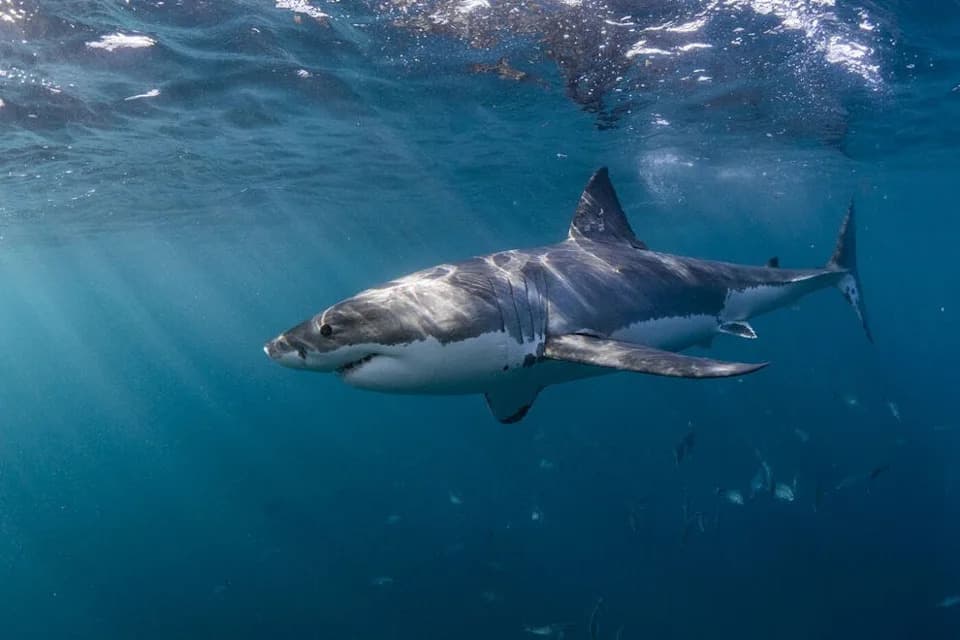
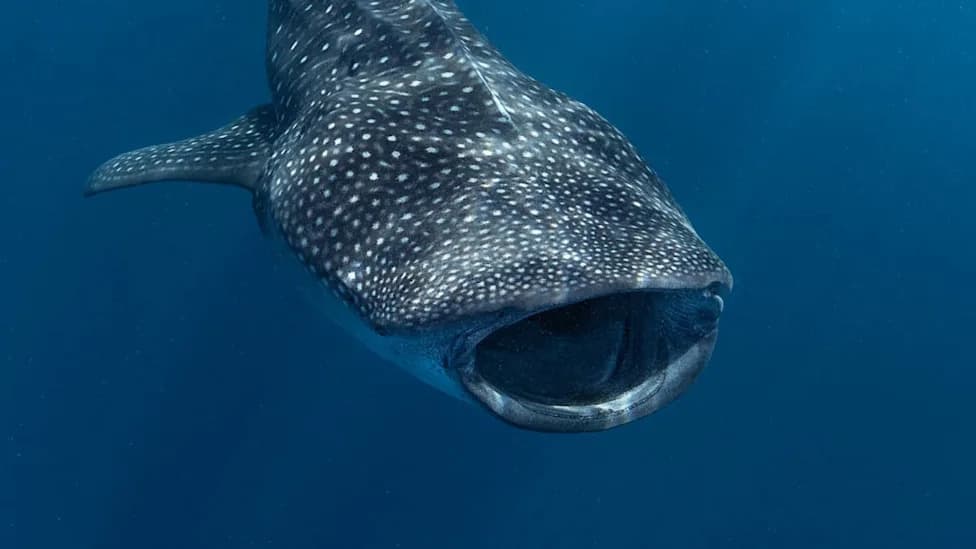
White sharks, often called great white sharks, grow slowly, reaching lengths of up to 20 feet, according to the National Oceanic and Atmospheric Administration. The agency estimates the sharks can range to more than 70 years old.
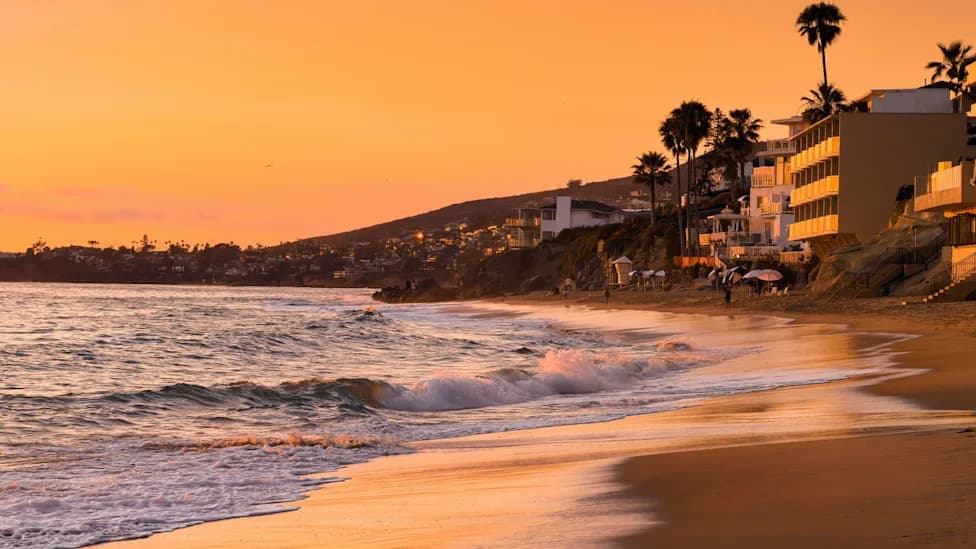
An intensifying El Niño, layered on top of an ongoing marine heat wave, is expected to push warmer, tropical waters northward along the U.S. Pacific coast. Scientists warn this will likely bring increased numbers of juvenile white sharks, rays, tropical fish and even venomous sea snakes into California waters — along with cascading changes to local food webs.
Which Species Are Moving North?
Powerful El Niño events can transport multiple shark species, rays, mahi mahi, bluefin tuna, seabirds and occasionally sea snakes to regions where they are rarely seen. Douglas McCauley, director of the Benioff Ocean Initiative at UC Santa Barbara, said researchers are already spotting tropical species earlier than usual because of the pre-existing marine heat wave.
"We expect to see all kinds of weird tropical things come up with this warm water," said McCauley.
How El Niño Changes the Ocean
El Niño typically brings warmer-than-normal water to the eastern Pacific and suppresses the California Current's upwelling of cold, nutrient-rich water. That reduces the supply of zooplankton and small fish that support kelp forests and many coastal species, producing what marine biologists describe as "a whole different ocean."
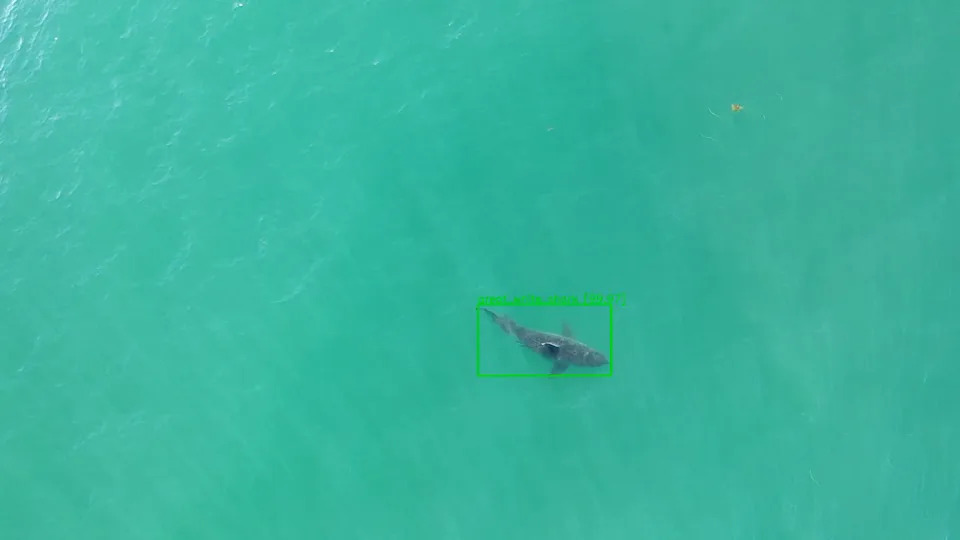
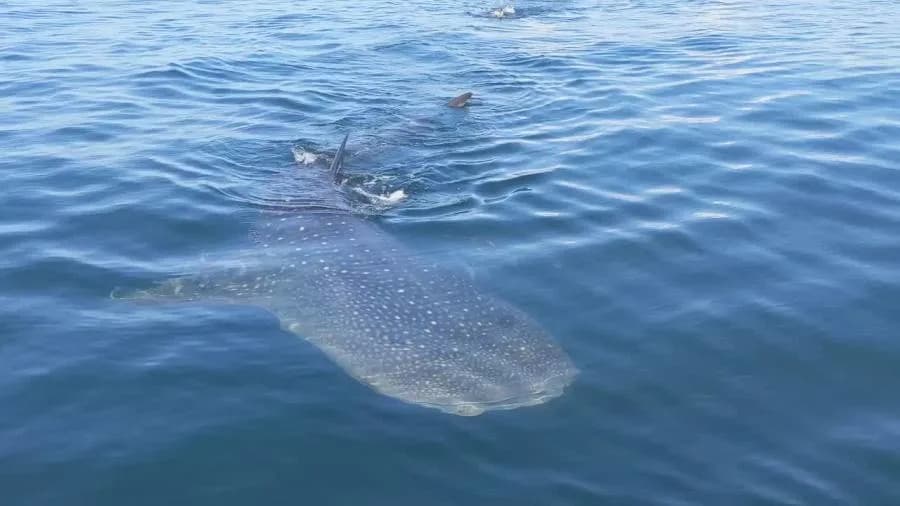
A white shark is seen off the coast of Santa Barbara, California.
Food-Chain Effects
With forage species such as squid, anchovies and sardines pushed northward or reduced in abundance, predators follow. Juvenile white sharks — which prefer a narrow temperature band — often ride these warm-water corridors north. During the 2015–2016 El Niño, juvenile white shark sightings doubled and extended as far north as Monterey.
Risks for People and Wildlife
Scientists say a rise in mostly smaller white sharks does not necessarily translate into greater beach attack risk, but there are other hazards. Warmer water tends to bring more brown stingrays, and lifeguards in California already treat at least 10,000 stingray injuries annually. Researchers warn those numbers could increase this summer.
McCauley and others also caution about rare tropical visitors such as the yellow-bellied sea snake — a highly venomous species that appears only during unusually warm conditions and should not be handled.
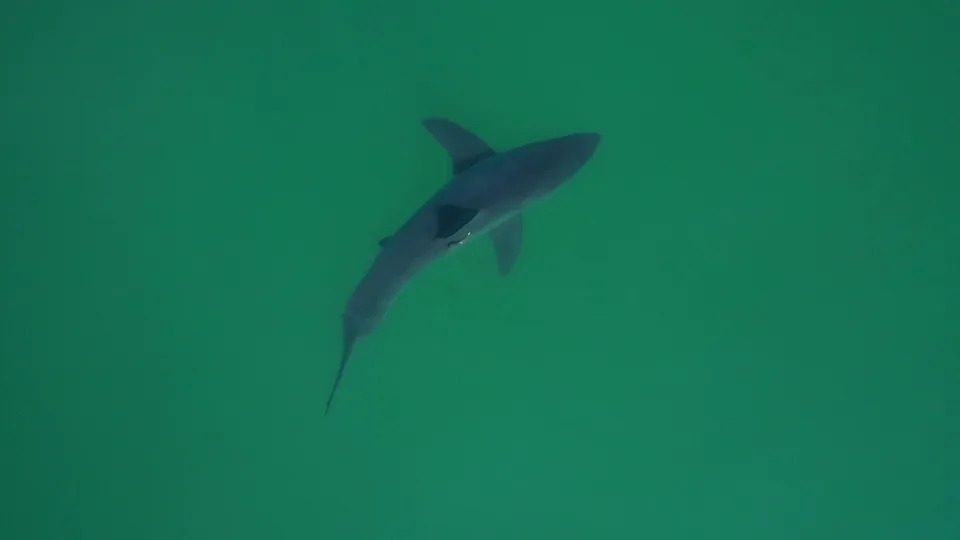
A juvenile white shark is seen via a drone camera monitoring the waters off a California beach for sharks by students with the University of California Santa Barbara's Benioff Ocean Science Laboratory.
"It's going to be a sharky summer — and a stingray summer as well," said Chris Lowe, director of the Shark Lab at California State University, Long Beach. "People may have to change their behavior to be safe."
Monitoring and Preparedness
Projects such as UC Santa Barbara's drone-based SharkEye program and the Shark Lab are sharing sightings with lifeguards and the public to help coastal communities prepare. Officials advise beachgoers, surfers and fishermen to watch local advisories, avoid handling unfamiliar marine life and adopt simple precautions to reduce stingray and shark encounters.
Broader, Long-Term Concerns
Past El Niño events have produced far-reaching ecological impacts: starving sea lions in Peru (1982–83), shifts in sea turtle behavior, and unusual catch patterns as far north as Alaska during 2023–24. Scientists worry that this El Niño — stacking new heat on an already warm ocean influenced by climate change — may amplify impacts and reveal how marine ecosystems respond to sustained warming.
Bottom line: Expect unusual marine visitors along the California coast this summer and fall, increased ecological disruption, and a need for vigilance and preparedness as ocean conditions evolve.
Reporting and quotes from Dinah Voyles Pulver, UC Santa Barbara, the Shark Lab at CSULB, and NOAA; summarized and edited for clarity.
Help us improve.