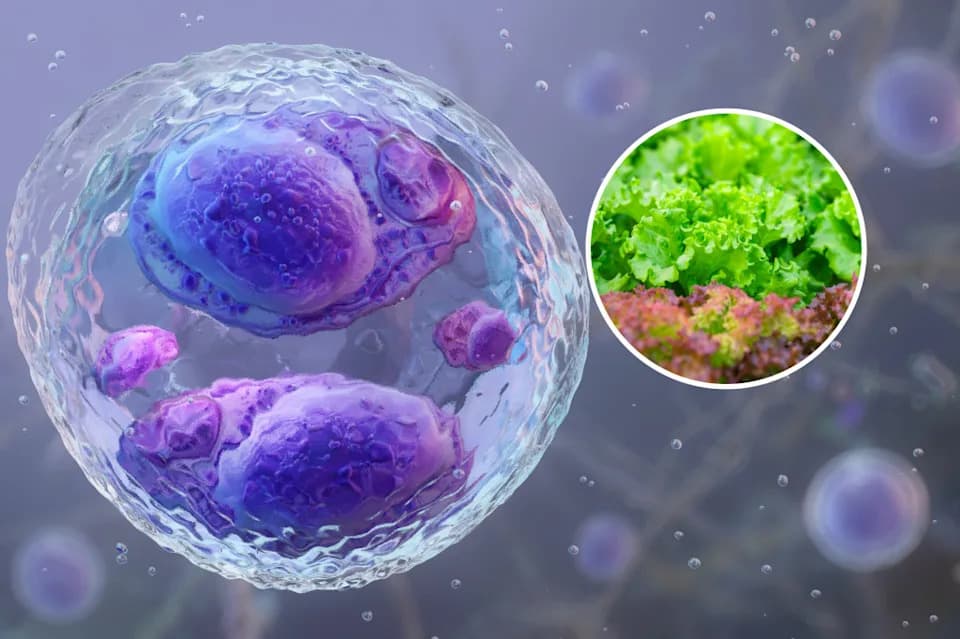
Cyclosporiasis cases have spread to 45 U.S. states, with more than 6,700 laboratory-confirmed infections and just over 420 hospitalizations since May 1. The CDC is also monitoring over 11,500 probable cases, many from Michigan and Ohio. A recent multistate outbreak linked to Taylor Farms iceberg lettuce from central Mexico prompted a recall, though other produce items have been implicated in past outbreaks. Officials recommend careful washing or peeling of produce, strict hand and surface hygiene, and cooking when possible to reduce risk.
Cyclospora Outbreak Reaches 45 States: 9 Foods Most Often Linked to ‘Explosive Diarrhea’
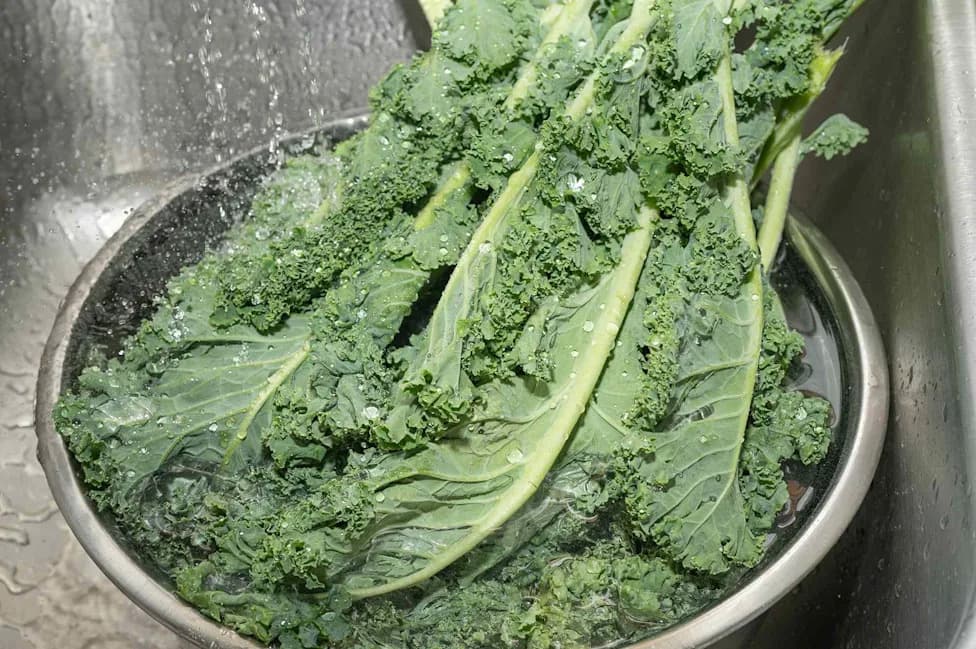
Washing kale under running water to prevent cyclosporiasis parasite.Credit: DEBBY LOWE/Getty Images
Cases of cyclosporiasis — an intestinal infection caused by the microscopic parasite Cyclospora cayetanensis — have continued to rise across the United States and are now reported in 45 states.
According to the Centers for Disease Control and Prevention (CDC), there have been more than 6,700 laboratory-confirmed U.S.-acquired cases since May 1, resulting in just over 420 hospitalizations. The CDC is also tracking more than 11,500 additional probable cases that have not yet been confirmed by laboratory testing; many of these reports came from Michigan and Ohio. Affected people range in age from 1 to 98, and 56% of reported patients are female.
"The true number of people sick with cyclosporiasis was likely higher than the number reported," the CDC said, noting that some infected people recover without medical care and are therefore not tested.
Cyclospora spreads when people consume food or water contaminated with the parasite. Symptoms are primarily gastrointestinal and can include watery diarrhea, loss of appetite, weight loss, cramping, bloating, increased gas, nausea and fatigue. Some patients also report vomiting, body aches, headache and low-grade fever.
Symptoms typically appear between two days and two weeks after exposure, and if untreated the illness can last from a few days to more than a month; relapses and repeat infections are possible.
The current multistate outbreak affecting nine states has been linked to Taylor Farms iceberg lettuce sourced from central Mexico; the product has been recalled, the Food and Drug Administration (FDA) reported. Officials caution, however, that Cyclospora has been associated with a variety of other fresh produce items in past U.S. outbreaks.
Produce and Water Commonly Implicated
- Bagged salads and salad mixes
- Basil, cilantro and parsley
- Mesclun and other lettuces
- Raspberries
- Snow peas and sweet peas
The Cleveland Clinic and public-health agencies note that contaminated water can also carry Cyclospora, and the organism may persist in treated (chlorinated) pool water under some circumstances.
How To Reduce Your Risk
Public-health experts recommend practical precautions to lower the chance of infection:
- Thoroughly wash fresh fruits and vegetables under running water; peel when possible. Note: washing may not remove all Cyclospora particles from produce.
- When appropriate, cook produce to at least 158°F (70°C) before eating.
- Wash hands with soap and water after using the bathroom and before, during and after food preparation.
- Sanitize food-preparation surfaces, dishes and utensils with hot water and soap after use.
Cyclosporiasis is seasonal in the U.S.; the CDC typically sees more cases during spring and summer months, with a usual season running from May 1 through Aug. 31. Health officials remind the public to avoid eating recalled products and to seek medical care if they develop persistent, watery diarrhea — especially if they recently ate fresh produce or traveled.
Help us improve.