Archbishop Dame Sarah Mullally has reaffirmed support for a controversial £100m reparations fund during a visit to Cape Coast Castle in Ghana, where she said the experience forced reflection on the Church of England’s role in the transatlantic slave trade. The fund — agreed three years ago after an audit revealed historical investments linked to slave trafficking — is intended for investment, research and engagement with affected communities. The pledge drew praise from Ghanaian officials but has also sparked legal, historical and ideological opposition within and beyond the Church.
Archbishop Reaffirms Controversial £100m Reparations Fund After Visit to Ghana’s Cape Coast Castle
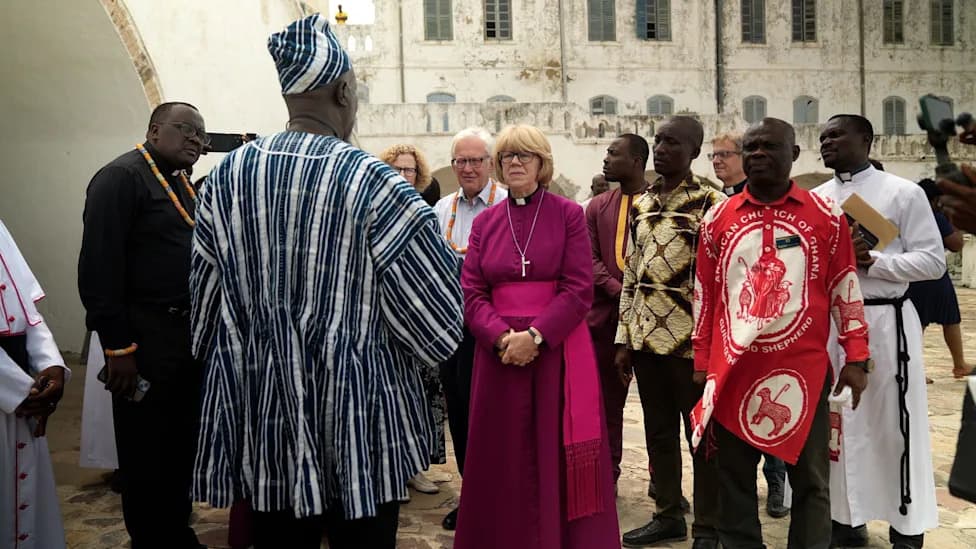
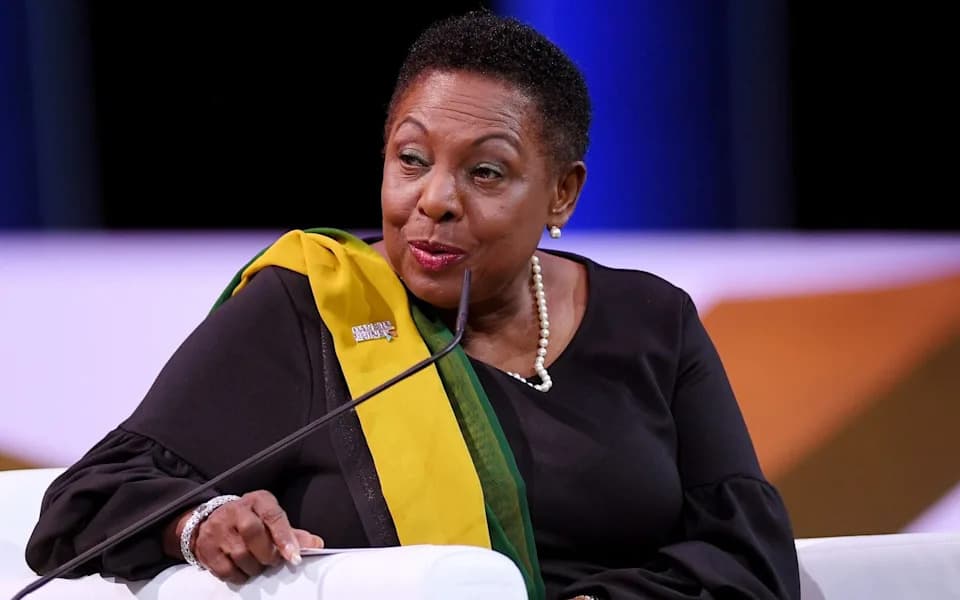
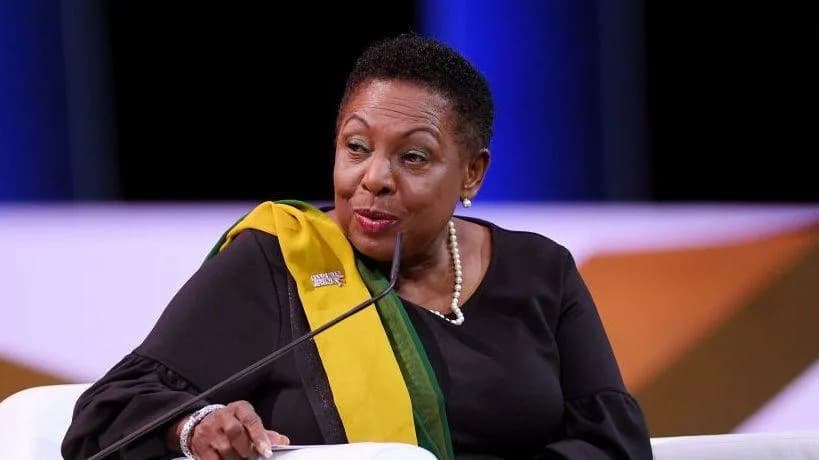
Dame Sarah Mullally pledged her support to the fund on a trip to Ghana [BBC]
Archbishop of Canterbury Dame Sarah Mullally has reaffirmed her commitment to a contentious £100m reparations fund while visiting Cape Coast Castle in Ghana, a key site in the transatlantic slave trade where many enslaved Africans were held before being shipped to the Americas.
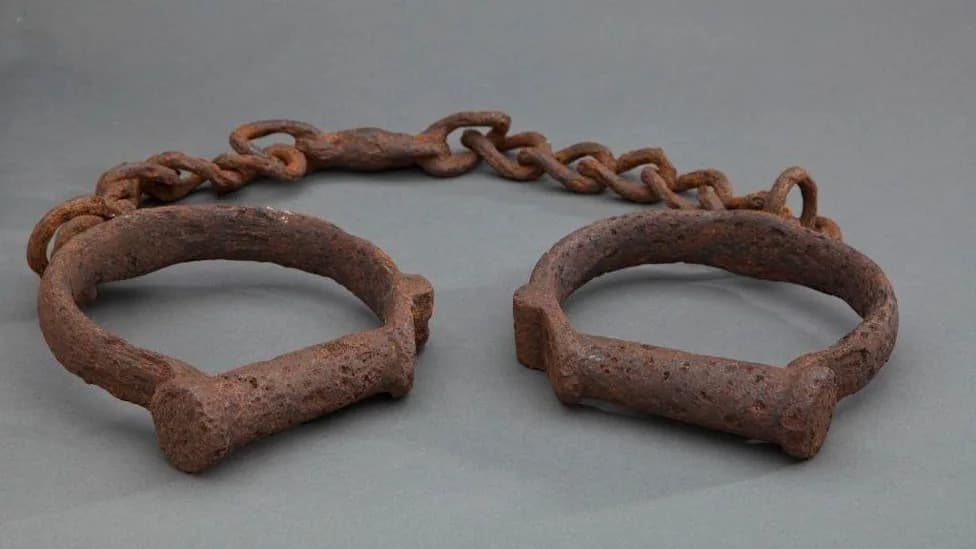
On the visit — her first pastoral trip to Africa since being installed as head of the Church of England in March — Dame Sarah described her tour of the castle’s cramped dungeons and the so-called 'door of no return' as deeply affecting and a reminder of the institution’s historical complicity.
'We played a part in the transatlantic slave trade. That is clear. Part of the Christian belief in repentance is about action, so we are putting in place action to support those communities that feel the legacy of the slave trade.'
Context and Purpose of the Fund
The fund was agreed three years ago following an audit of the Church's historical endowment, which revealed substantial investments linked to companies involved in the trafficking of enslaved people. The £100m initiative is intended to finance a programme of investment, research and engagement to support communities harmed by the transatlantic slave trade.
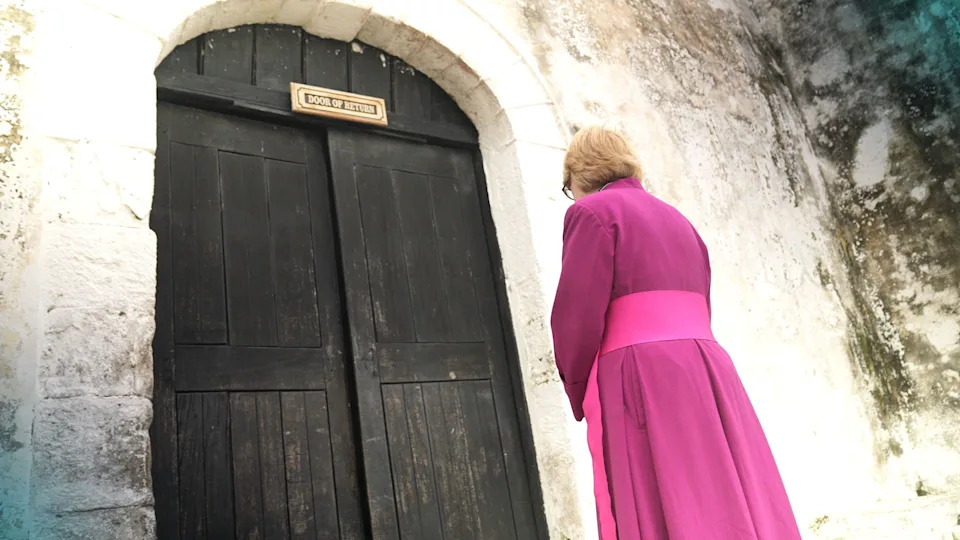
The archbishop said she was 'deeply moved' by what she saw on her visit to Ghana [BBC]
Historical Acknowledgement
The Church of England has previously apologised for its associations with slavery. Historical records show the Church's missionary arm operated plantations in the Caribbean that relied on enslaved labour, some individual clergy were slave owners, and large donations were received from slave traders. Above the dungeons at Cape Coast Castle sits a chapel, which Dame Sarah called a 'stark illustration' of the church’s involvement.
Response and Controversy
While the archbishop’s public commitment drew praise from Ghanaian officials, the reparations plan has faced vocal opposition. Critics have questioned the historical findings underpinning the fund, raised legal concerns about how the money will be disbursed, and argued ideological objections to reparations and institutional responsibility.
Ghana's Foreign Minister Samuel Okudzeto Ablakwa welcomed the archbishop's stance, saying the visit could send 'the right signals' and challenge those within the Church who are 'revisionists' or 'obstructionists'.
What Comes Next
Dame Sarah’s visit underscores a growing conversation about reparative justice and institutional responsibility. The fund’s design and governance remain central to the debate, and further engagement with affected communities, legal advisers and historians is likely as the Church seeks to translate apology into tangible action.
Key facts: the fund was approved three years ago after an audit revealed historical ties to slave-trafficking-linked investments; it is intended for long-term programmes of investment, research and engagement; and the initiative continues to provoke debate over historical interpretation, legal feasibility and moral obligation.
Help us improve.