ABC has submitted a 109‑page reply accusing the FCC of retaliating against the network by forcing early license renewals for eight ABC‑owned stations, arguing the move punishes its coverage of Donald Trump. The network says the commission's action breaks precedent and exceeds its authority to regulate content. FCC Chair Brendan Carr counters that the probes concern employment practices and statutory compliance, not editorial decisions. Thousands of public commenters and a bipartisan group of former FCC officials have urged the FCC to reject petitions seeking to deny ABC's renewals.
ABC Accuses FCC Of 'Retaliation' After Early License Renewal Order — Files 109‑Page Reply
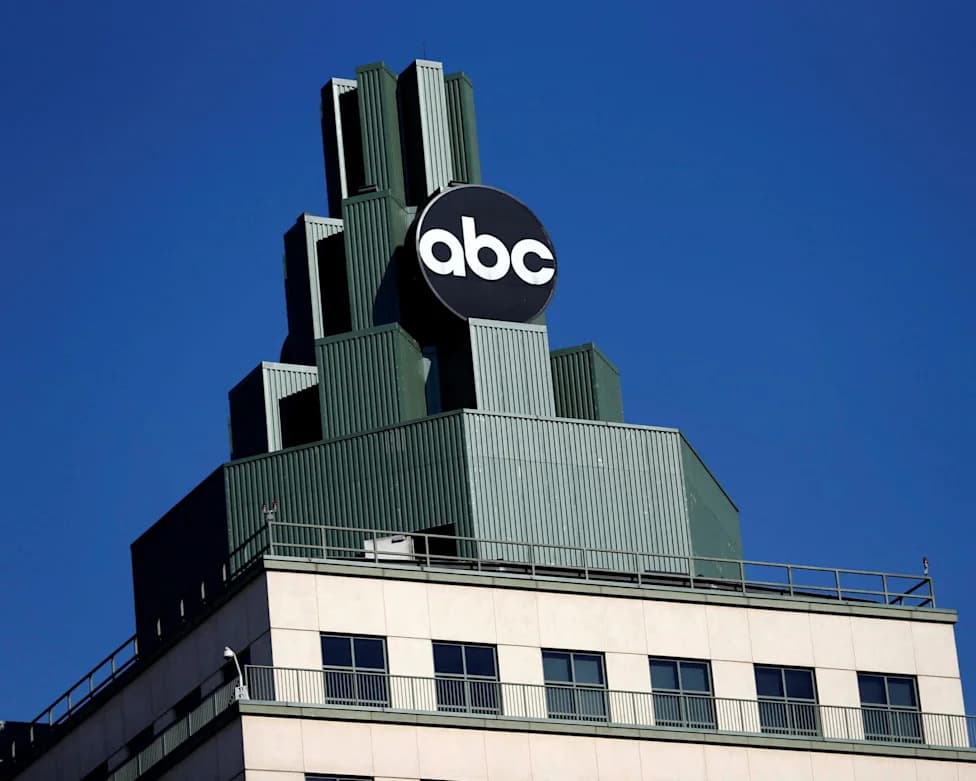
ABC lawyers say the FCC's actions are retaliation for the exercise of the network's first amendment rights.Photograph: Mario Anzuoni/Reuters
ABC has filed a 109-page legal reply arguing that the Federal Communications Commission's decision to move eight ABC‑owned local television stations into an expedited license renewal process amounts to political retaliation for the network's editorial choices, including its coverage of former president Donald Trump.
What ABC Argues
In its detailed filing, lawyers for the Disney‑owned network say the FCC's action departs from normal practice and sends a chilling message to the news industry: accommodate the administration's preferred coverage or face regulatory consequences. The filing argues the commission lacks authority to regulate programming content and says no petitioner has shown the "serious" violations or "pattern of abuse" required to justify denying a renewal.
"The retaliation against ABC is a signal to every media company in the country: Accommodate the administration's view of what news coverage should look like or pay the price," the filing states.
FCC Response
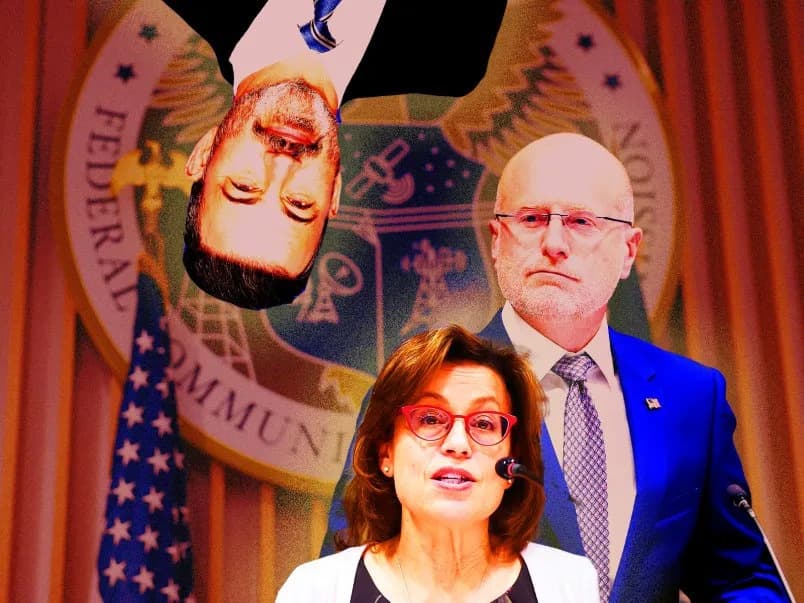
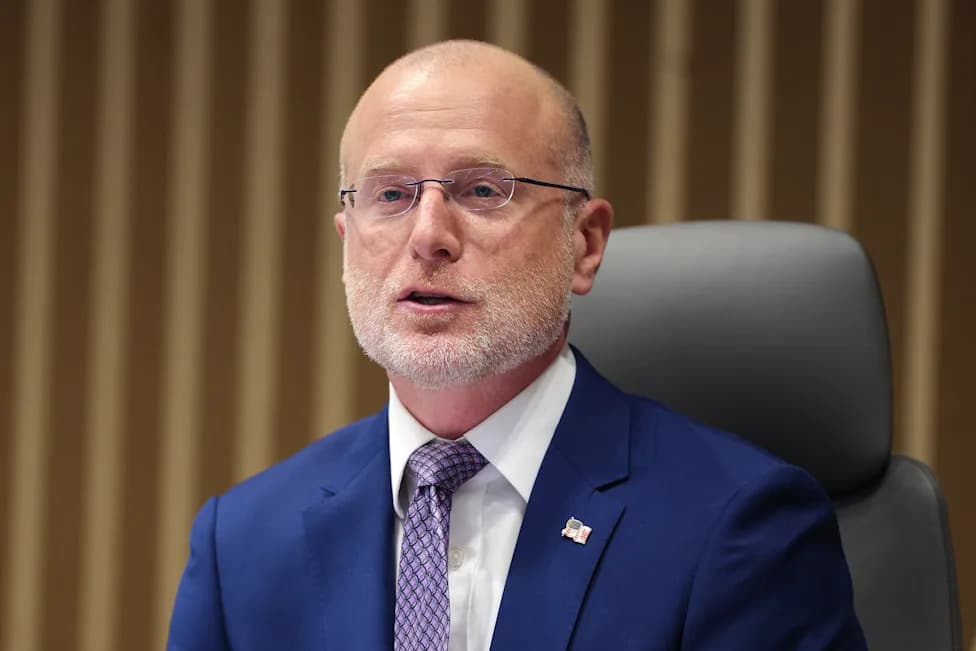
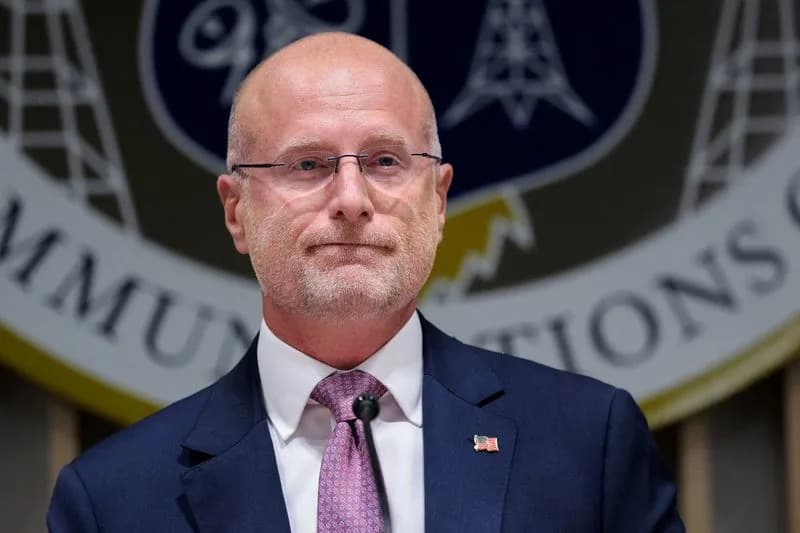
FCC Chair Brendan Carr has denied that the inquiries relate to ABC's editorial decisions. Carr says the commission's concerns focus on the company's employment practices and compliance with federal obligations.
Procedural Stakes
ABC noted that other network‑owned stations have licenses that extend until 2031, highlighting how unusual it is for the FCC to require a group of stations to seek renewal years early. Parties have until 5 August to file replies to the petitions to deny. After that deadline, the FCC could grant the renewal requests or schedule hearings — a potentially lengthy and costly process that could stretch for years, especially if adverse rulings are appealed.
Public And Industry Reaction
A bipartisan group of former FCC commissioners and staffers filed a submission urging the commission to reject the petitions, calling the early‑renewal order "a grave violation of both the Communications Act and the Constitution." Thousands of public commenters have submitted support for ABC in this license inquiry and in a separate FCC investigation into the daytime talk show The View over possible rules governing political candidate appearances.
Commissioner Anna M. Gomez, the agency's lone Democrat, said: "They believe in the value of their local news, they trust those who cover their communities, and they understand that the FCC has no business deciding who is a journalist and what counts as real news."
Why It Matters
- Resolution of this dispute will shape how the FCC approaches license renewals and its interaction with national news organizations.
- A decision to proceed with hearings could lead to multi‑year litigation and substantial regulatory scrutiny for the affected stations.
- The case raises broader First Amendment and administrative‑law questions about agency motives and precedent.
Help us improve.